معرفی
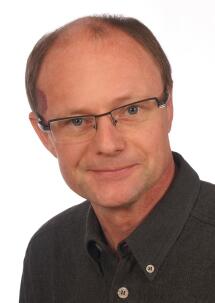
Pekka Lindqvist is a University Lecturer in Exegetics and Jewish Studies at Åbo Akademi University, affiliated with the Faculty of Humanities, Psychology and Theology, Department of Theology and Religious Studies. He serves as Director of Institutum Judaicum Aboense and Chief of Education in the Bachelor’s Program in Theology, demonstrating leadership in both academic administration and Jewish-Christian dialogue.
His research centers on Jewish Studies, with a focus on early Judaism, interfaith relations, and the dialogue among Abrahamic faiths. He explores topics such as early Jewish outreach to Gentiles, the reception of biblical figures like Moses, and the historical development of Finnish Oriental Studies in Palestine. His work also addresses modern Jewish perspectives and the legacy of Finnish missionary activity in the Middle East.
Lindqvist’s recent publications reflect a strong engagement with biblical exegesis, reception history, and minority theological voices. His scholarly output spans peer-reviewed articles, book chapters, and public-facing contributions, indicating a commitment to both academic rigor and public dialogue. He has contributed to journals such as Studia Theologica and Dialogue, and his work intersects with UN Sustainable Development Goals related to peace, justice, and inclusive societies.
- University Lecturer in Exegetics and Jewish Studies
- Director, Institutum Judaicum Aboense
- Chief of Education, Bachelor Program in Theology
- Active researcher in early Judaism and interfaith dialogue
- Contributor to Holocaust education and antisemitism research
Lindqvist is actively involved in public scholarship, having delivered keynote speeches on Holocaust Memorial Day and participated in discussions on Jewish law in contemporary Finland. He leads and contributes to externally funded research projects, including Nordic antisemitism and conspiracy thinking and From Awareness to Action: Educating Finland's Future Generations on the Holocaust.
His academic service includes curatorial and photographic work for institutional memory projects, reflecting a multidisciplinary approach to religious studies. While no formal list of advisees is provided, his leadership roles suggest significant mentorship and educational impact.