معرفی
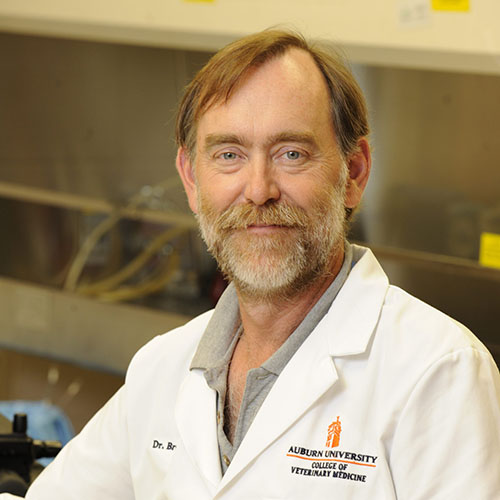
Dr. Payal Agarwal serves as an Assistant Research Professor in the Department of Pathobiology within Auburn University's College of Veterinary Medicine, where she leads the Agarwal Cancer Immunotherapy Research Laboratory at the Scott-Ritchey Research Center. Her work bridges veterinary and human medical research through innovative cancer immunotherapy development.
Dr. Agarwal's educational background includes a PhD in Veterinary Biomedical Sciences from Auburn University (2012), an MSc from Aligarh Muslim University, India (2005), and a BSc from the same institution (2003). She received the prestigious AU-CMB doctoral graduate fellowship at Auburn University.
Her research focuses on developing cutting-edge cancer immunotherapies using recombinant adenoviral vectors, with particular emphasis on tumor-selective oncolytic viruses and CAR T-cell therapies. Dr. Agarwal's laboratory investigates Canine Adenovirus type 2 mechanisms and identifies cancer-specific biomarkers through liquid biopsy approaches. Her work spans multiple disciplines including viral vector engineering, tumor immunology, and comparative oncology, with significant applications in both veterinary and human medicine.
Analysis of Dr. Agarwal's publication record reveals a strong focus on translational cancer research with emphasis on canine models, particularly osteosarcoma and breast cancer. Her recent work shows increasing specialization in immunotherapy modalities including oncolytic viruses, immune checkpoint modulation, and biomarker discovery, demonstrating a clear trajectory toward clinical applications of these therapies.
Dr. Agarwal mentors a diverse research team including PhD student Terri Higgins, graduate student Sumbul Khan, and undergraduate researchers Isabella Shimko-Lofano and Devin Cooper. Her laboratory maintains active collaborations across multiple departments at Auburn University, focusing on developing novel therapeutic approaches for cancer treatment.
The Agarwal Cancer Immunotherapy Research Laboratory operates within the Scott-Ritchey Research Center, providing state-of-the-art facilities for viral vector development, cell culture, molecular analysis, and preclinical testing of novel cancer therapies using canine models that serve as valuable translational bridges to human applications.