معرفی
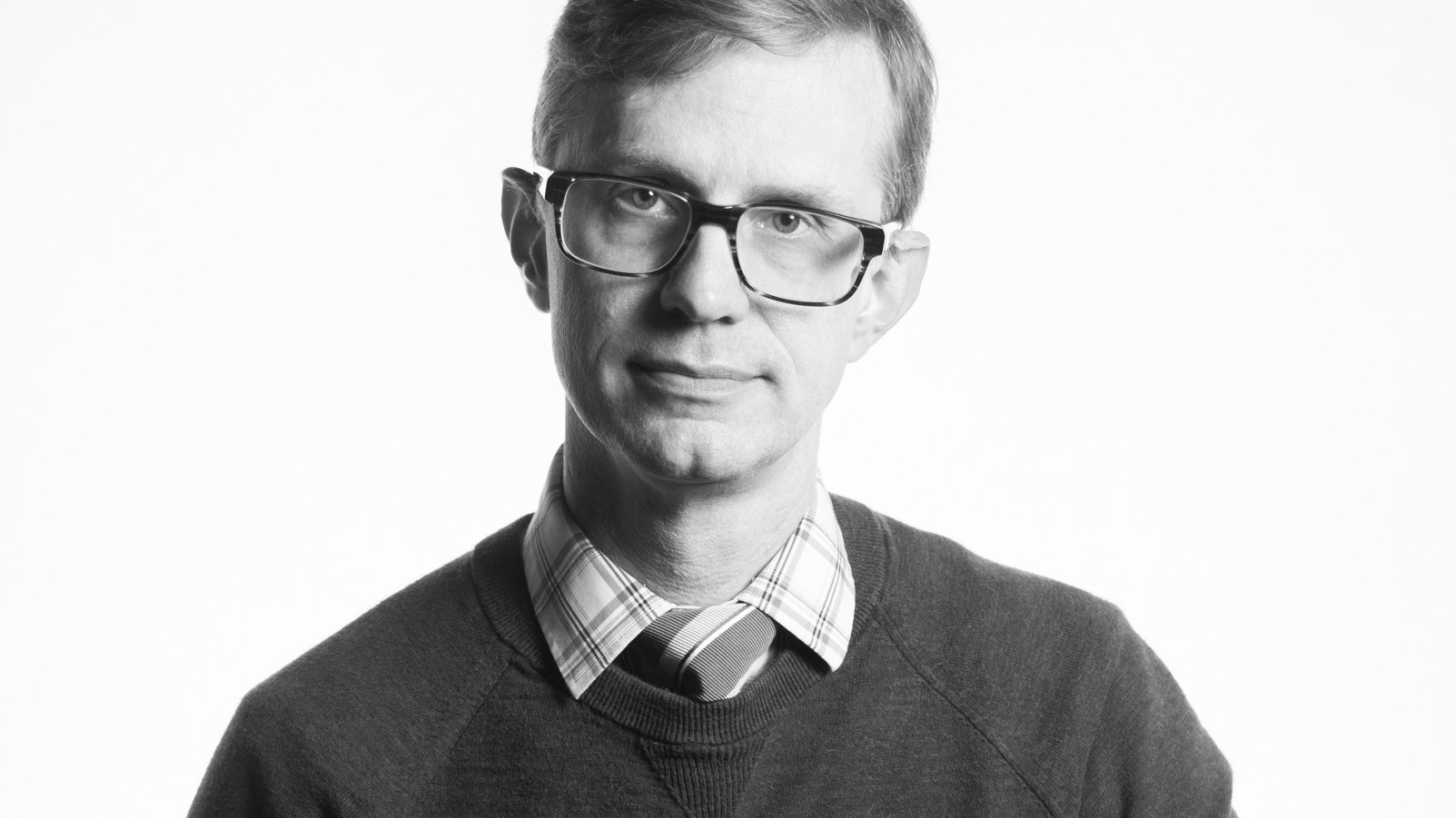
Paul Kuimet is an Associate Professor (working at 50% capacity) at the Estonian Academy of Arts, Faculty of Fine Arts, specializing in Photography. His professional email is paul.kuimet@artun.ee and he maintains a personal website at www.paulkuimet.ee.
His research interests focus on the intersection of photography and film with architectural spaces, landscape representation, and the materiality of analog media. Kuimet's work examines how built environments shape our perception of space and time, with particular attention to modernist architecture and its legacy across different political eras. He employs both traditional darkroom techniques and contemporary installation methods to create works that challenge conventional viewing experiences and explore the relationship between natural and constructed environments.
Over the past decade, Kuimet's artistic practice has evolved from photographic documentation toward increasingly complex installations that integrate moving image, architectural intervention, and spatial design. His recent works from 2023, including 'Two Trees' and 'Nature's Valley,' continue his exploration of natural elements within constructed environments using both film and photographic media. His artistic output demonstrates sophisticated engagement with theoretical concepts like Walter Benjamin's notion of historical continuity, as seen in 'Golden Home' which connects architectural eras across ideological shifts.
Kuimet frequently collaborates with cinematographer Fidelia Regina Randmäe and color grader Dirk DeJonghe to realize his film works. His installations have been exhibited at significant venues including Tartu Art Museum, Tallinn Art Hall, Narva Art Residency, WNTRP in Berlin, and FUGA: Budapest Center of Architecture. His work 'Golden Home' (2017) was produced with support from Estonia 100 art programme '100 Art Landscapes' & Tallinn Art Hall.
His technical approach consistently emphasizes analog processes, with works utilizing 16mm film projection, C-prints, and carefully designed spatial arrangements. A recurring theme across his oeuvre is the examination of how natural elements interact with constructed environments, as evident in pieces like 'Two Trees' which features apple trees in different light conditions, and 'Small Oak' which presents a solitary tree through multiple compositions of foliage and filtered light.