معرفی
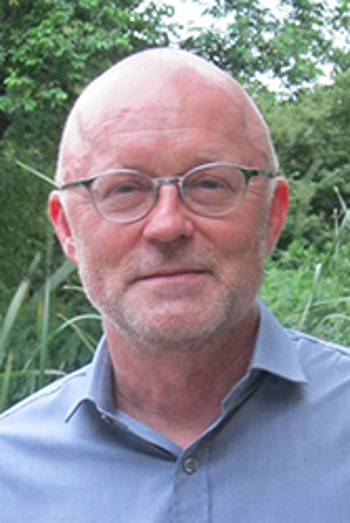
Nicolae Morar is an Associate Professor of Environmental Studies and Philosophy at the University of Oregon, holding joint appointments in both departments within the College of Arts and Sciences. He is also an Associate Member of the Institute of Ecology and Evolution. Currently on sabbatical leave for the 2024-2025 academic year, Morar has established himself as a significant voice at the intersection of philosophy, ethics, and biological sciences.
His research interests span Applied Ethics, Philosophy of Biology, and 20th Century Continental Philosophy, with particular focus on microbiome ethics, human nature debates, and the ethical implications of biological research. Morar's work bridges traditional philosophical inquiry with contemporary scientific understanding, especially in how microbial communities challenge conventional notions of individuality and agency.
Morar's scholarly output reveals a consistent trajectory exploring the boundaries between biological facts and ethical considerations. His recent publications demonstrate increasing engagement with microbiome research and its philosophical implications, moving beyond traditional bioethics to consider how microbial communities reshape our understanding of human nature and moral responsibility. His work on Foucault and Deleuze provides important continental philosophical context for contemporary bioethical debates.
- National Endowment for Humanities grant ($294,236) as Co-PI for 'The Seminars of Gilles Deleuze' translation project
- 2017 Interdisciplinary Environmental Studies Seed Grant ($3,000) as PI for 'Genes, Microbes, and Ourselves'
- Multiple grants from University of Oregon's College of Arts and Sciences
- American Society for Bioethics & Humanities Early Career Travel Grant
Morar has been actively involved in teaching across both undergraduate and graduate levels, developing specialized courses in environmental ethics, clinical ethics, philosophy of biology, and continental philosophy. His teaching portfolio demonstrates a commitment to interdisciplinary approaches that connect philosophical inquiry with pressing environmental and biomedical issues. His work with institutions like PeaceHealth Hospitals indicates practical engagement with clinical ethics beyond the academy.