معرفی
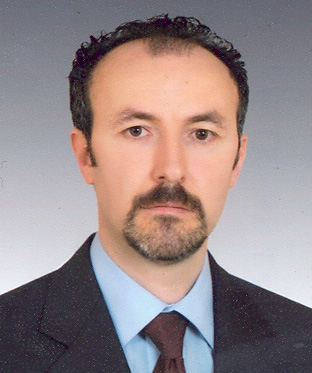
Dr. Nezir YILMAZ serves as an Associate Professor in the Department of Surgical Medical Sciences at Adiyaman University Faculty of Medicine. His academic career focuses on advancing anesthesiology practices with particular expertise in regional anesthesia techniques and specialized anesthetic management for high-risk surgical procedures.
Dr. Yilmaz's research interests span several critical areas within anesthesiology including regional anesthesia, pain management, airway management, cardiac anesthesia, and obstetric anesthesia. His work demonstrates a consistent focus on developing and refining techniques that allow for safer anesthesia administration, particularly through regional approaches that minimize the need for general anesthesia in appropriate cases. He has made significant contributions to understanding thoracic paravertebral blocks, spinal anesthesia applications across various surgical specialties, and management of local anesthetic toxicity.
Analysis of Dr. Yilmaz's publication record reveals a strong emphasis on practical clinical applications of anesthesia techniques. His recent work shows increasing focus on awake surgical procedures using regional anesthesia, innovative approaches to pain management after cardiac surgery, and specialized techniques for high-risk patient populations. The research consistently bridges laboratory findings with clinical practice, particularly in the areas of local anesthetic toxicity management and specialized nerve blocks.
Dr. Yilmaz maintains active involvement in the academic anesthesia community through numerous conference presentations and collaborations with colleagues across various medical specialties. His work demonstrates a commitment to improving patient safety and outcomes through evidence-based anesthesia practices.
His research program includes investigation of regional anesthesia techniques for cardiac procedures, obstetric anesthesia innovations, airway management solutions, and specialized approaches for patients with comorbid conditions. This work often involves interdisciplinary collaboration with surgeons, intensivists, and other medical specialists to develop comprehensive perioperative care strategies.