معرفی
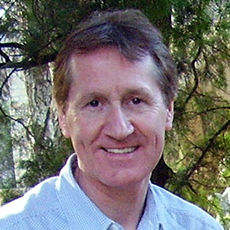
Neil Cooper is a Professor of Learning and Teaching and Head of the School of Psychology at the University of East Anglia since August 2021. He holds a PhD in Social Psychology from the University of Sunderland and a BSc (First Class) in Anthropology and Psychology from Goldsmiths’ College, University of London, alongside a Certificate in Higher Education. His research focuses on qualitative methodologies, pedagogical practices in Psychology education, and psychosocial processes in student transitions to higher education. He has led projects such as the 'Enhancing support for first year psychology students' (2009–2011) funded by the Higher Education Academy and the 'Evaluation of Fosternets' (2009–2010) for Norfolk County Council.
- Education:
- PhD Social Psychology, University of Sunderland
- BSc Anthropology and Psychology, Goldsmiths’ College, University of London
- Certificate in Education (Higher Education), University of Sunderland
His research interests span qualitative psychology, student learning in higher education, and the intersection of technology with social practices. Notable outputs include Digital Life Story Work (2013), cited by NICE, and studies on social media’s impact on state-care adolescents. Awards include two UEA Teaching Fellowships (2007, 2011) and Student Union teaching awards.
Neil supervises research on topics such as financial stress in health professional students (Vicky Bristow), ethical decision-making in child protection (Peter Jordan), and migration narratives (Alexia Zinonos). His work emphasizes interdisciplinary collaboration, blending social psychology with sociological and critical theory perspectives.
- Grants/Projects:
- Pharmacy Research Fellowship (2016–2017)
- Tri-Borough Family Coach Service Evaluation (2013–2014)
- Westminster Family Recovery Project (2009–2011)
- Awards:
- Fellow of the Higher Education Academy (FHEA)
- Chartered Psychologist (BPS)
- Student Union Teaching Excellence Awards
Neil’s teaching spans undergraduate and postgraduate Psychology programs, emphasizing qualitative methods and fostering student independence. He leads initiatives to integrate digital tools (e.g., podcasts, mobile methods) into pedagogy and research, reflecting his commitment to innovative and socially engaged scholarship.