معرفی
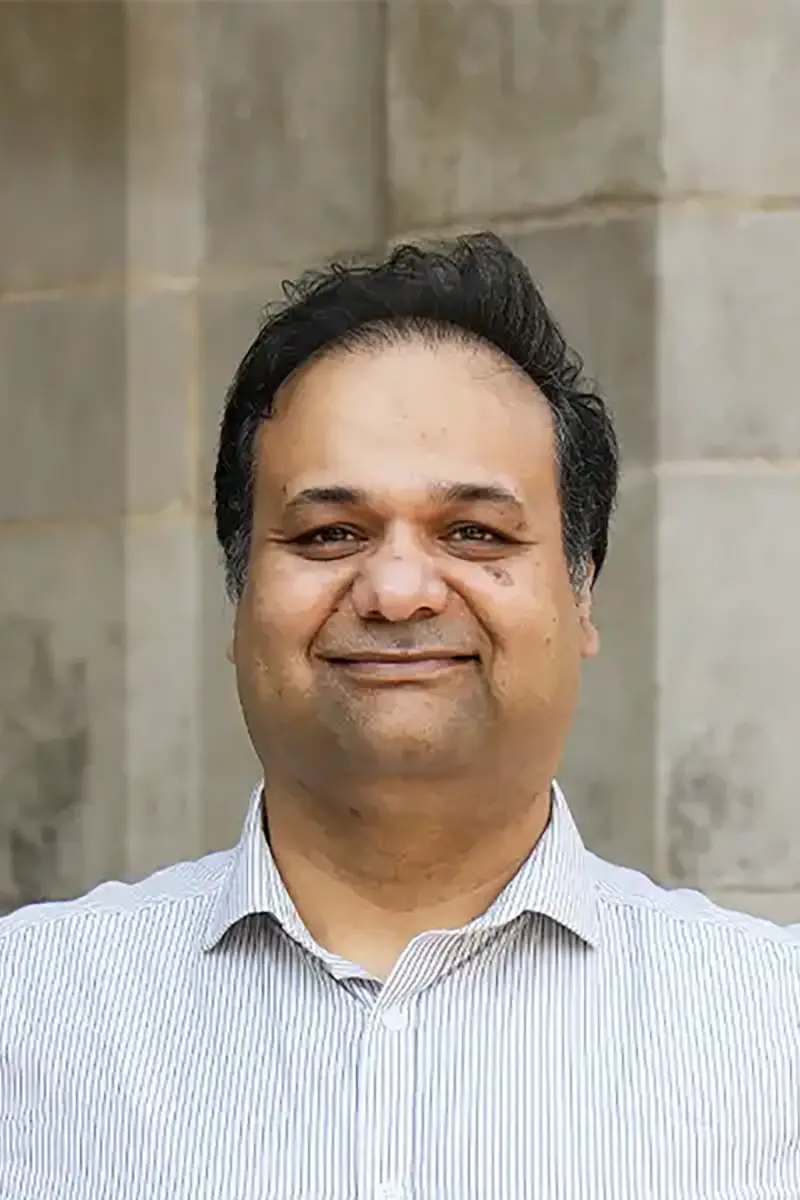
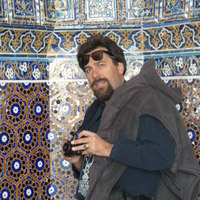
Moslem Ghomashlouyan is a lecturer and research assistant at the Institute of Social Anthropology, University of Bern. His work centers on border anthropology in the Middle East, examining how sanctions reshape economic informality, gendered mobilities, and state-citizen relations in Iran-Kurdistan borderlands.
Education:
- PhD in Social Anthropology (summa cum laude), University of Bern, 2025
- Master’s in Sociology and Social Anthropology (with Distinction), Central European University, 2019
- Master’s in Sociology, University of Tehran, 2018
- Bachelor’s in Social Sciences/Research, University of Tehran, 2015
Research Focus: Ghomashlouyan’s scholarship critically engages Political Anthropology and Anthropology of the State through empirical studies of Borders and Migration. His fieldwork in Kurdish border villages reveals how contraband networks and cryptocurrency adoption subvert territorial sanctions, while feminist analyses expose gendered dimensions of mobility justice. Current projects investigate transregional economic practices under Iran’s financial isolation.
Publication Trends: Recent outputs (2019-2023) demonstrate methodological consistency in border ethnography, shifting from Tehran-based citizenship studies toward Iran-Iraq border dynamics. His work increasingly connects cryptocurrency innovation with smuggling economies, highlighting how informal networks reconfigure state power in sanctioned contexts through material practices rather than ideological resistance.
Scientific Recognition:
- Walter Benjamin Junior Fellowship, University of Bern (2025)
Academic Contributions: Ghomashlouyan teaches transregional field methods and border studies courses while developing collaborative projects with NYU’s Middle Eastern Studies department. His fellowship supports ongoing fieldwork on how border communities weaponize economic informality against geopolitical constraints.
Research Ecosystem: Based at Bern’s Institute of Social Anthropology, he collaborates with LSE and Exeter-based Middle East scholars through conference networks, maintaining strong ties to Iranian academic circles through prior Tehran-based research.