معرفی
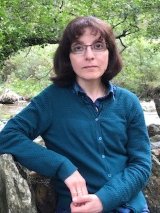
Dr. Mosavar Farahani is a Senior Lecturer in Biomedical Science at the University of Northampton, affiliated with the Science Centre for Physical Activity and Life Sciences. She is actively involved in research on exosomal microRNAs in haematological malignancies and is accepting PhD students. Her work is highly collaborative, involving clinical and academic partners such as the Northwest Anglia NHS Foundation Trust and the University of Liverpool.
Her research focuses on the role of microRNAs in cancer, particularly as non-invasive prognostic biomarkers in chronic lymphocytic leukaemia (CLL) and multiple myeloma. She also explores the potential of exosomal microRNAs as drug delivery vehicles in neurological diseases, highlighting an interdisciplinary approach bridging oncology and neurology.
Recent publications and research outputs demonstrate a consistent focus on microRNA expression, tumor signaling, and clinical biomarker discovery. Her work spans from molecular mechanisms in CLL to translational studies in plasma cell malignancies, showing a strong trend in biomarker validation and exosome-mediated intercellular communication.
Scientific contributions include:
- Membership in the British Society for Haematology (2021)
- Membership in the Research Institute of Biomedical Science (IBMS) (2021)
Dr. Farahani has led two significant research projects: one internal pilot study on plasma microRNA profiling in plasma cell malignancies (2022), and a charitable-funded project investigating plasma Galectin-3 and RANKL in multiple myeloma progression (2023–2024). These projects reflect her leadership in translational research and grant acquisition. Her collaborations with Professor Lugan Yu and NHS partners underscore her role in bridging laboratory findings with clinical applications.
She is affiliated with active research networks and maintains an ORCID profile (0000-0002-5814-2584), with publications cited across platforms like Mendeley and referenced in patents, indicating impact beyond academia.
حوزههای پژوهشی