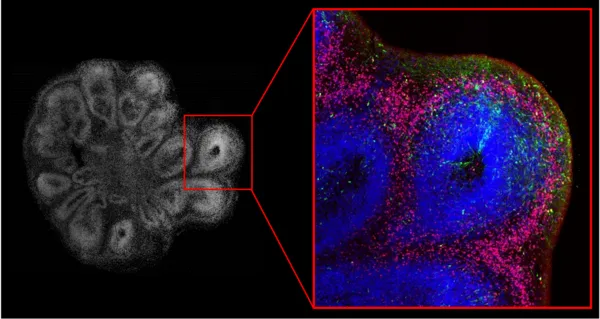
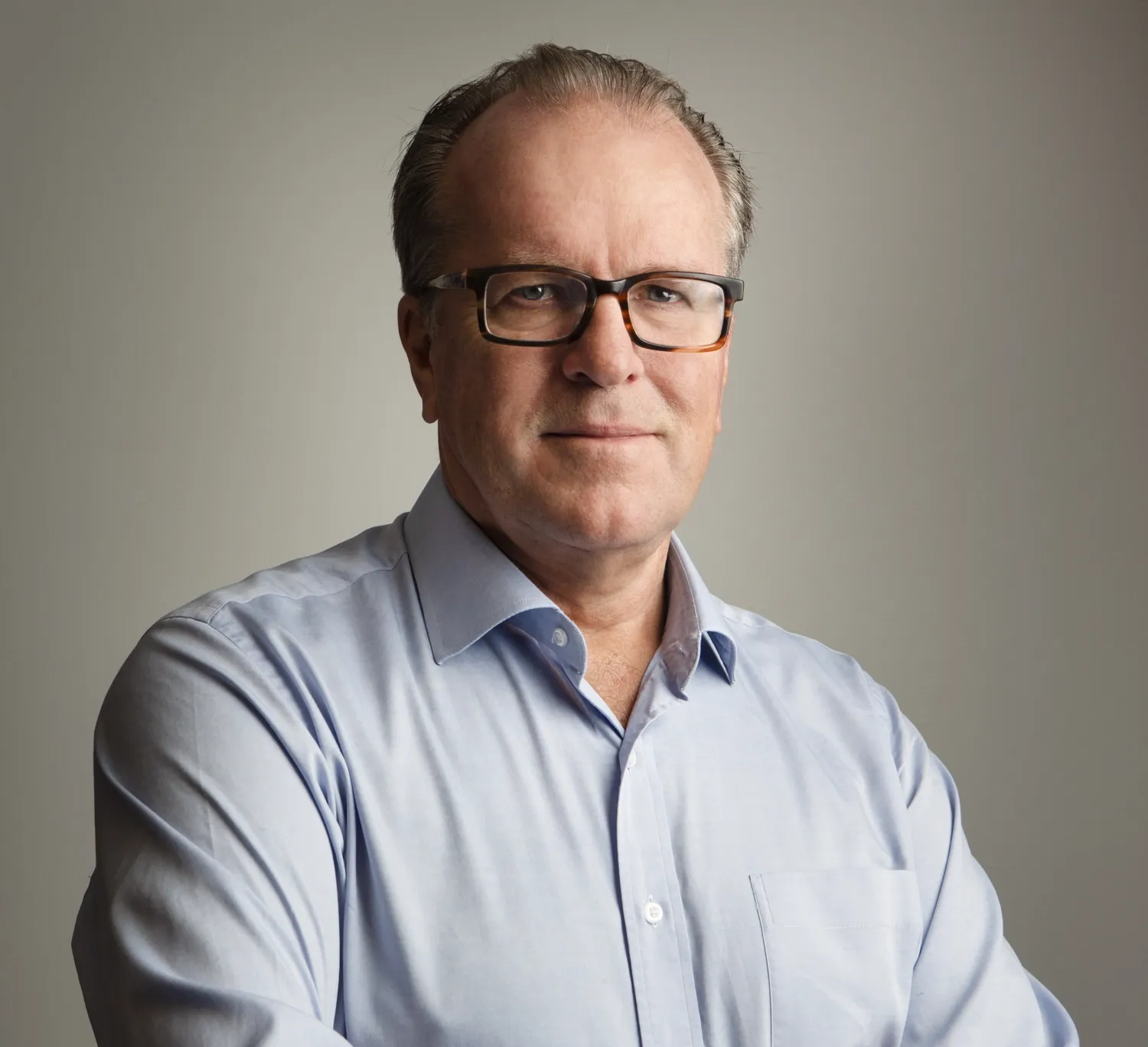
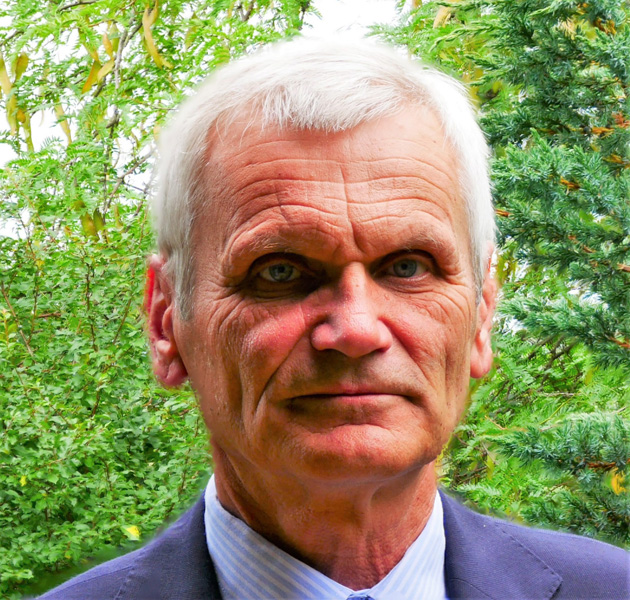
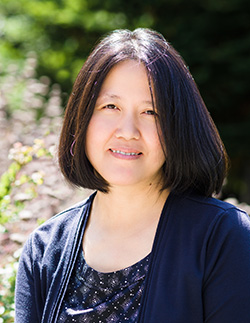
Prof. Dr. Simon Schäfer leads the Schäfer Lab at the Technische Universität München , focusing on engineering advanced organoid systems to study human brain development, disease modeling, and repair mechanisms. His work bridges stem cell biology, gene editing, and bioengineering to develop personalized therapies for brain disorders. Stem Cell & Organoid Technology Neurodevelopmental Mechanisms Neurodegenerative Disease Models Gene Editing & Neuroimmune Interactions Translational Neuroscience Recent research emphasizes brain organoid development, microglia phenotypes, and neurodevelopmental timing anomalies in autism. His team’s work also explores zika virus interactions with glioblastoma stem cells and neuronal plasticity in psychiatric disorders. Scientific awards and funding include support from the Deutsche Forschungsgemeinschaft (DFG), Brain & Behavior Research Foundation (BBRF), and Munich Cluster for Systems Neurology (SyNergy). Collaborations span institutions like the TUM Center for Organoid Systems. Advises 6 students (2 PhD, 1 MSc, 3 associated) Labs include Schäfer Lab, COS@TranslaTUM Contact: simon.schafer@tum.de
Lars Engstrand is a Professor in infection control at Karolinska Institutet, heading the Translational Microbiome Research and Pandemic Preparedness group within the Department of Microbiology, Tumor and Cell Biology. His research spans multiple disciplines with a focus on translational microbiome research and pandemic preparedness. Engstrand's research interests center on understanding the human microbiome's role in health and disease, particularly in women's reproductive health and gastroenterology. His group has established multiple large-scale clinical studies including SweMaMi (Swedish Maternal Microbiome project), BASIC (associations between microbiota and preterm birth), VaMiGyn (Vaginal Microbiota in Gynaecological health), and several others investigating the vaginal microbiome's relationship to pregnancy outcomes, HPV infection, and cervical cancer. His team also conducts significant research on gut microbiome in inflammatory bowel disease and colorectal conditions through projects like PopCol and KOLBIBAKT. Analysis of Engstrand's most recent publications reveals a strong focus on the relationship between microbiome composition and women's health outcomes. His research consistently examines how vaginal, gut, and oral microbiomes influence pregnancy complications, preterm birth, HPV infection, and mental health during pregnancy. The work often employs large cohort studies with comprehensive sampling strategies across multiple body sites and time points, providing robust data for understanding microbiome dynamics in health and disease. Engstrand leads the Microbiome Exploration and Development for Intervention (MEDI) initiative and the National Pandemic Center (NPC) at Karolinska Institutet. The NPC conducted large-scale sequencing during the COVID-19 pandemic and has amassed over 1.5 million samples. His research group includes multiple specialized teams focusing on culturomics, bioinformatics, labcore operations, women's health research, and pandemic preparedness.
Professor Marek Sanak serves as Full Professor at the Department of Internal Medicine, Jagiellonian University Medical College in Cracow, Poland. He concurrently holds leadership positions as Acting Director of the Department of Forensic Medicine, Head of the Division of Molecular Biology and Clinical Genetics, and Vice-Rector for Research and International Cooperation since 2016. His academic foundation includes: MD from Jagiellonian University Medical College Specialization in Pediatrics and Genetics PhD from Jagiellonian University Research appointments at Harvard University, University of Paris VI, and University of Zurich Professor Sanak's research integrates clinical genetics with molecular immunology, focusing on asthma pathogenesis, lipid mediators of inflammation, and genetic diagnostics. His laboratory employs advanced techniques including deep DNA/RNA sequencing to identify biomarkers and elucidate disease mechanisms. The work bridges fundamental molecular discoveries with clinical applications in respiratory diseases, allergic disorders, and forensic medicine, demonstrating particular expertise in aspirin-exacerbated respiratory disease and epigenetic regulation of inflammatory pathways. Analysis of his recent publications reveals a strategic evolution from classical asthma research toward molecular genetics and viral pathogenesis. His 2017-2021 work increasingly incorporates epigenetic approaches (DNA methylation, microRNA profiling) while expanding into SARS-CoV-2 research during the pandemic. The publications demonstrate interdisciplinary integration across immunology, respiratory medicine, and molecular diagnostics, with consistent focus on translational applications. His distinguished career has been recognized through numerous honors: The Lancet Investigators Award on Asthma (1997) Polish Ministry of Health Individual Prize (1999) Jagiellonian Laurel (2012) Pro Arte Docendi Award (2014/15) Gold Medal for Long Service (2019) Top 2% of world scientists ranking (Elsevier 2022) As Vice-Rector for Research, Professor Sanak has significantly expanded international collaborations with King's College London, University of Southampton, and University of Zurich. His leadership has secured substantial funding for molecular diagnostics and inflammatory disease research while mentoring numerous early-career researchers. He delivers invited lectures globally for organizations including the American Thoracic Society and European Academy of Allergy and Clinical Immunology. Professor Sanak directs integrated research units across the Division of Molecular Biology and Clinical Genetics, Division of Biochemical and Molecular Diagnostics at University Hospital Cracow, and the Department of Forensic Medicine. These teams combine clinical service with basic research to advance genetic diagnostics and understand disease mechanisms, maintaining forensic genetics expertise developed over 20 years of practice.
Lin He is the Thomas and Stacey Siebel Distinguished Chair in Stem Cell Research and Professor of Cell Biology and Physiology at the University of California, Berkeley. His laboratory focuses on understanding the biological functions of non-coding RNAs in development and disease, with particular emphasis on microRNAs (miRNAs) in cancer, stem cell biology, and developmental processes. He developed the CRISPR-EZ method for highly efficient mouse genome editing, significantly advancing genetic research. Research interests include miRNAs' roles in tumor progression, metastasis, and pluripotency regulation in stem cells. His work bridges mouse genetics, genomics, and molecular biology to uncover mechanisms governing non-coding RNA functions. Current projects address miRNAs in oncogenesis, stem cell fate determination, and the interplay between non-coding RNAs and retrotransposons in development. Key contributions include identifying miRNA networks in cancer pathways, demonstrating miRNA requirements for ciliogenesis and lung development, and advancing CRISPR-based genome editing techniques. His interdisciplinary approach integrates genetic, genomic, and cellular tools to explore fundamental questions in biology and medicine. Lab website: helabucb.org CRISPR-EZ technology enables 100% genome editing efficiency in mouse zygotes Pioneering studies on miRNA regulation of PTEN, p53, and oncogene pathways
Jens S. Andersen is a Professor in the Department of Biochemistry and Molecular Biology at the University of Southern Denmark, where he leads research in Biomedical Mass Spectrometry and Systems Biology. His work is centered on the development and application of quantitative mass spectrometry and microscopy-based proteomics to study human cell biology, particularly the structure and function of organelles such as centrosomes, cilia, autophagosomes, and mitochondria. His research focuses on determining the protein composition and dynamic properties of cellular organelles, the roles of specific protein groups, and their contributions to biological processes and diseases. He investigates cell signaling mediated by post-translational modifications, especially within the DNA damage response, autophagy, and immune systems. His lab, the Jens S. Andersen Lab, is part of the Research Section of Biomedical Mass Spectrometry. The analysis of his recent publications reveals a strong interdisciplinary trend combining proteomics, structural biology, and cell signaling. His work spans cilia biology, RNA metabolism, DNA repair, and cancer mechanisms, with frequent use of advanced techniques like mass spectrometry, CRISPR, and live-cell imaging. The integration of systems biology approaches is evident across his research outputs. Professor, Department of Biochemistry and Molecular Biology, University of Southern Denmark Head of Research, Biomedical Mass Spectrometry and Systems Biology Principal Investigator, Jens S. Andersen Lab ORCID: 0000-0002-6091-140X While no specific scientific awards are mentioned in the provided texts, his extensive publication record in high-impact journals such as Science , Nature Communications , Molecular Cell , and EMBO Journal reflects significant scholarly contributions. He has supervised research projects and collaborated widely across Europe, though specific names of students are not listed. His research is supported by multiple ongoing projects, reflecting sustained funding and academic leadership. The Jens S. Andersen Lab operates at the intersection of proteomics and cell biology, contributing to fundamental understanding of organelle dynamics and disease mechanisms. The lab's work is highly collaborative, involving partnerships with groups in structural biology, RNA research, and cancer biology.
Dr. Thomas A. Hughes is an Associate Professor of Cancer Biology at the University of Leeds and Professor of Biosciences at York St John University. As a Group Leader at the Leeds Institute of Medical Research, he focuses on gene regulation, tumour microenvironment, and nanomedicine approaches to improve cancer outcomes. Specializes in breast cancer, colorectal cancer, and rare diseases Develops therapeutic strategies using microRNAs and biomarkers Collaborates with clinicians, engineers, and chemists for translational research His research integrates molecular pathology with clinical data through partnerships with Leeds NHS Trusts, aiming to identify novel biomarkers and targets for therapy. Recent work emphasizes cholesterol metabolism, oxysterol signaling, and nanomedicine-based drug delivery systems. Key contributions include: Over 80 peer-reviewed publications in cancer biology and molecular therapeutics Leadership in MSc programs in Molecular Medicine and Cancer Biology and Therapy Extensive experience in grant review, editorial work, and doctoral supervision Scientific awards include Fellowship of the Higher Education Academy. His lab has mentored 26 doctoral students and numerous alumni in academia, clinical practice, and industry.
Jessica Rosenholm is a Professor at the Faculty of Science and Engineering, Department of Pharmacy at Åbo Akademi University. Her research focuses on drug delivery systems, nanomedicine, and biomaterials engineering. She holds a D.Sc.(Tech.) and has authored over 200 publications. Key research areas include mesoporous silica nanoparticles, 3D bioprinting, and antimicrobial resistance solutions. Her work contributes to UN Sustainable Development Goals, particularly in advancing health technologies. Notable achievements include the Akzo Nobel Nordic Research Prize 2009 and the Knight, First Class, of the Order of the White Rose of Finland (2022). She leads projects like the MADNESS Centre of Excellence, exploring materials-driven solutions against antimicrobial resistance. Education: Doctor of Science (Technology) Research Interests: Nanoformulations, biomedical imaging, microfluidics, and tissue engineering. Recent articles highlight innovations in programmable nanocomposites for hearing loss treatment, microfluidic assembly of nanostructures, and 3D printing of drug delivery systems. Awards: ÅAU Chancellor’s Prize (2013), Forskarpriset ur Harry Elvings legat (2009) Grants: Projects funded by EU, Finnish Research Council, and Sigrid Jusélius Foundation. Labs/Teams: BioNanoMaterials group explores cutting-edge technologies like nanomedical agents and microfluidics. Current projects include the NAP4DIVE initiative for blood-brain barrier drug delivery.
Dr. Christina Leslie is a Research Professor and Member of the Computational & Systems Biology Program at Memorial Sloan Kettering Cancer Center (MSK). She leads an active research laboratory focused on developing computational approaches to understand complex biological systems. Dr. Leslie earned her PhD from the University of California, Berkeley and has established herself as a leading computational biologist in cancer research and immunology. Computational & Systems Biology Program, Memorial Sloan Kettering Cancer Center Gerstner Sloan Kettering Graduate School of Biomedical Sciences Dr. Leslie's research focuses on developing novel computational methods to study cellular biological systems from a global and data-driven perspective. Her lab exploits diverse high-throughput functional and genomic data to understand molecular networks underlying fundamental cellular processes, including transcription regulation, pre-mRNA processing, signaling, and post-transcriptional gene silencing. Her algorithmic methods draw heavily on machine learning to build accurate predictive models from noisy and high-dimensional biological data. Key areas of interest include modeling cell-type specific transcriptional programs and dissecting co- and post-transcriptional regulation, particularly microRNA-mediated gene regulation. Analysis of Dr. Leslie's publication record over the last five years reveals a strong focus on computational approaches to cancer genomics, immunology, and epigenetics. Her work bridges multiple disciplines, with a particular emphasis on developing machine learning methods to interpret complex biological data. The publications demonstrate increasing sophistication in integrating multiple data types (genomic, transcriptomic, epigenomic) to understand cancer biology and immune responses. Recent work shows a growing emphasis on single-cell technologies and spatial analysis of tumor microenvironments. Introduction of string kernel methodology for SVM classification of biological sequences Development of algorithms for predictive modeling of gene regulation First systems-level analyses of competition between microRNAs and between target transcripts Dr. Leslie actively mentors numerous graduate students and research associates, with current lab members including Vianne Gao, Alireza Karbalaghareh, Erik Ladewig, and several others. Her lab has received significant research funding to support their work on computational approaches to cancer biology and immunology. The Leslie Lab maintains close collaborations with multiple experimental groups at MSK, facilitating the translation of computational insights into biological understanding. The Leslie Lab operates within the Computational & Systems Biology Program at MSK, with strong ties to both the research and clinical missions of the institution. The lab maintains state-of-the-art computational infrastructure for analyzing large-scale genomic and proteomic datasets and collaborates extensively with wet-lab researchers to validate computational predictions experimentally.
Igor Jurisica is a Professor at the University of Toronto and a Senior Scientist at the Krembil Research Institute’s Data Science Discovery Centre for Chronic Diseases. He also serves as Visiting Scientist at IBM CAS, Scientific Director of the World Community Grid, and Chief Scientist at the Creative Destruction Lab (Rotman School of Management). His research focuses on integrative computational biology, data mining, and AI-driven models for cancer mechanisms, drug discovery, and chronic disease management. Key affiliations include the Osteoarthritis Research Program, Schroeder Arthritis Institute, and leadership roles in open science initiatives like the World Community Grid, a global distributed computing platform with 810,000+ volunteers. Jurisica’s work bridges computational tools (e.g., NAViGaTOR visualization platform, MirDIP databases) and clinical applications, emphasizing explainable AI in healthcare. Research interests span proteomics, microRNA regulation, systems vaccinology, and multi-omics integration for disease stratification. Notable contributions include identifying prognostic signatures in cancer and osteoarthritis, machine learning models for drug repurposing, and sportomics analyses of athletic biomarkers. He has been recognized as a Thomson Reuters Highly Cited Researcher (2014-2016) and ranked among the Top 100 AI Leaders in Oncology (2023). His labs develop open-access tools like PathDIP, OsteoDIP, and miRAnno to advance translational research.
Prof. Dr. Tunç ÇATAL is a Professor of Molecular Biology and Genetics at Üsküdar Üniversitesi. He holds a PhD from İstanbul Technical University (2008) and conducted postdoctoral research at Oregon State University and the National University of Ireland Galway. His expertise spans microbial biotechnology, molecular biology, and hydrogen production. Education: BSc in Biology, İstanbul University (2001) MSc in Biology, İstanbul University (2004) PhD in Molecular Biology-Genetics and Biotechnology, İstanbul Technical University (2008) Administrative Roles: Head of Molecular Biology and Genetics Department (English Program) Director of PROMER Research Center Bologna Coordinator and Erasmus Coordinator His research focuses on microbial electrochemical systems, bioremediation, and bioenergy. Notable contributions include optimizing hydrogen production using microbial electrolysis cells and studying the effects of pharmaceuticals on microbial fuel cell efficiency. He has supervised 3 graduate theses and holds TÜBİTAK awards for impactful publications. His work integrates environmental science and molecular biology, with applications in sustainable energy (e.g., hydrogen production) and wastewater treatment. Recent studies explore novel curcumin compounds for toxicity mitigation and marine mucilage-based bioelectrochemical systems.
Pingfu Fu, PhD, is a Professor in the Department of Population and Quantitative Health Sciences at Case Western Reserve University's School of Medicine. He is also a member of the Developmental Therapeutics Program at the Case Comprehensive Cancer Center. His expertise spans biostatistics, mathematics, and computer science, with a focus on cancer research and HIV/AIDS. Dr. Fu advises researchers on study design and statistical methodology for clinical and pre-clinical studies. He teaches courses in survival data analysis and clinical trials, and was recognized as 'Professor of the Year' in 2010 by the Department of Epidemiology and Biostatistics. Education: PhD in Biostatistics (Case Western Reserve University, 2001), MS in Statistics (Case Western Reserve University, 1996), MS in Mathematics (Xiangtan University, 1988), and BS in Mathematics (Jiangxi Normal University, 1984). His research interests include survival analysis, tree-based methods, clinical trials, and statistical applications in medical research. He has co-authored numerous peer-reviewed articles, focusing on cancer disparities, radiomics, and computational pathology. Professional memberships include the American Statistical Association, American Mathematical Society, and American Cancer Society. Dr. Fu holds editorial roles at Reviews on Recent Clinical Trials , Journal of Clinical Oncology , and Journal of the National Cancer Center . His work has addressed mathematical challenges in stochastic processes and resolved statistical issues in study design and tree-based models. Notable contributions include developing risk prediction models for cancer outcomes and advancing interdisciplinary collaborations across oncology, biostatistics, and computer science. His lab focuses on integrating computational methods with clinical data to improve patient outcomes.
Catherine Mooney is a Professor in the School of Computer Science at University College Dublin (UCD), leading the Life Science Data Analytics Group (LiSDA). Her research focuses on applying machine learning to healthcare challenges, including biomarker development, clinical decision support systems, and addressing ethical and technical barriers in healthcare AI. Education: BSc in [field unspecified] from Trinity College Dublin PhD in Computer Science from UCD Prof Dip University Teaching & Learning from UCD Research Interests: Machine Learning applications in healthcare Biomarker discovery for neurological and metabolic conditions Explainable AI for clinical decision support Promoting diversity and inclusion in STEM education Her work bridges computational methods with medical challenges, emphasizing ethical AI and translational research. Notable Awards: Best Paper Award in Applied Biosciences (2023) UCD Long-Service Award (2022) Best Poster Award at ITiCSE ’20 (2020) Her research has led to impactful tools like LiSDA’s clinical decision support systems for epilepsy and pregnancy care. She also advocates for gender diversity in computing, serving in leadership roles like Vice Principal for EDI in UCD’s College of Science (2022–2024).
João F. Mano is a Full Professor at the Department of Chemistry, University of Aveiro, and Director of the Doctoral Program on Biotechnology. He leads the COMPASS Research Group and serves as Vice-Director at CICECO - Aveiro Institute of Materials. His academic appointments include Invited Professor at University of Lorraine (France), Visiting Professor at KAIST (South Korea), and Adjunct Professor at Ajou University (South Korea). Education: PhD in Chemistry (1996, Technical University of Lisbon); D.Sc. in Tissue Engineering, Regenerative Medicine and Stem Cells (2012, University of Minho) Research Interests focus on Biomaterials for Regenerative Medicine , integrating Nanotechnology , Microtechnology , and Biofabrication . His group develops Bioinspired Materials using polymer chemistry, Decellularized Extracellular Matrix , and 3D Bioprinting to engineer Cell Microenvironments for therapeutic applications. Recent Publications highlight advancements in Human-Derived Hydrogels , Photopolymerizable Scaffolds , Magneto-Responsive Biomaterials , and Programmable Bioinks . Trends show emphasis on Organ-on-a-Chip integration, Smart Living Materials , and Green Bioprinting methodologies. Scientific Awards include: European Research Council Advanced Grants (2015, 2020) Fellow at IUPAC, European Academy of Sciences, and American Institute of Medical and Biological Engineering ERC Proof of Concept Grants Doctor Honoris Causa from University of Lorraine and Utrecht UNESCO Chair on Biomaterials George Winter Award (European Society for Biomaterials) Supervisions & Collaborations encompass 74+ MSc, 26+ PhD students, and 40+ postdocs. He co-founded METATISSUE and CELLULARIS Biomodels , and serves as Editor-in-Chief of Materials Today Bio .
J. Christopher Love is the Raymond A. (1921) and Helen E. St. Laurent Professor of Chemical Engineering at MIT, with affiliations to the Koch Institute for Integrative Cancer Research, Broad Institute, and Ragon Institute. He earned a BS in Chemistry from the University of Virginia and a PhD in Physical Chemistry from Harvard University under George Whitesides, followed by postdoctoral work under Hidde Ploegh at Harvard Medical School. His research focuses on single-cell analysis, precision medicine, and biomanufacturing. The Love Lab develops technologies for drug discovery, vaccine development, and equitable biologic medicine production. Notable successes include pioneering single-cell analysis platforms, advancing metastatic cancer diagnostics via liquid biopsies, and engineering yeast-based vaccine manufacturing. Recent articles highlight innovations in liquid biopsy sensitivity, AI-driven ECG diagnostics, and CAR T-cell therapies. Awards include the Keck Young Scholar (2009), Dana Scholar (2009), and Camille Dreyfus Teacher-Scholar. He co-founded OneCyte, HoneyComb, and Sunflower Therapeutics, and advises multiple biotech companies. His lab emphasizes translational research, integrating chemical and biological engineering principles to address global healthcare challenges. Current work explores manufacturability-by-design for vaccines, tumor immunology, and mucosal vaccine delivery systems.
Claudio R. Alarcón is an Associate Professor in Pharmacology at Yale University School of Medicine. His research focuses on RNA metabolism's role in development, health, and disease, particularly RNA modifications and non-coding RNAs. He joined Yale in 2017 after postdoctoral training at The Rockefeller University and holds a PhD from Cornell University (2009) and a BSc from Pontificia Universidad Católica de Chile (1999). Research Interests: Functional roles of m6A RNA modifications MicroRNA biogenesis and cancer progression Non-coding RNA regulation in metastasis Key Appointments: Primary Faculty, Yale Cancer Biology Institute Member, Yale Cancer Center Faculty, Yale Combined Program in Biological and Biomedical Sciences His lab integrates bioinformatics, molecular, and cellular approaches to study cancer metastasis mechanisms, including miRNA processing disruptions and SOX4/TMEM2 pathways linked to clinical outcomes.