معرفی
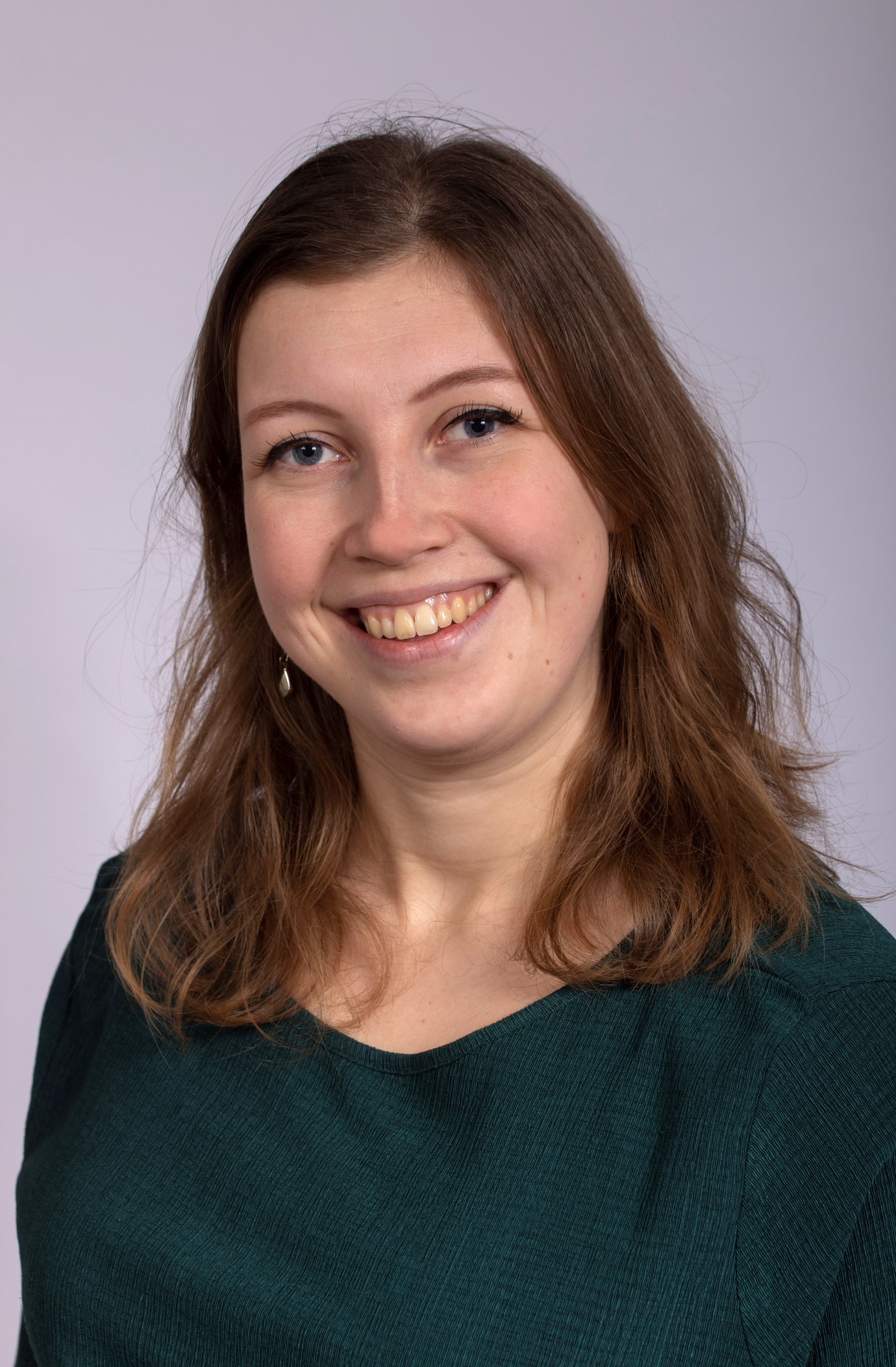
Monique van den Dries is Associate Professor at the Faculty of Archaeology, Leiden University, where she also serves as Head of the Department of Archaeological Heritage and Society. Her academic work centers on archaeological heritage management, the governance of heritage, and the societal role of archaeology in contemporary Europe.
Her research interests include the construction of heritage, participatory practices in archaeology, and the relationship between academic institutions and society. She is actively involved in interdisciplinary projects such as Archaeology in Contemporary Europe (ACE), the Centre for Digital Heritage (CDH), and the Economies of Destruction project, which examines Bronze Age depositional practices in Northwest Europe. She also contributes to initiatives like Tell Balata Archaeological Park and studies on local engagement in Dutch archaeology.
Her scholarly contributions focus on themes such as social responsibility in cultural heritage management, artifact biographies from the Mesolithic and Neolithic periods, and the role of heritage in public discourse. She teaches in the Bachelor’s program in Archaeology and promotes public engagement through exhibitions and outreach.
Monique van den Dries is a heritage advisor for several major research projects, including the Economies of Destruction, where she collaborates with national and international scholars. She has contributed to public exhibitions such as the Van Steenis exhibition and the Varna burials display, and has participated in academic events like the EAA meeting in Vilnius. Her work emphasizes bridging the gap between academic research and societal impact.
She is supported by grants such as the Erasmus+ project on heritage as a bridge between academy and society. Her leadership extends to mentoring junior researchers and shaping departmental strategy as department chairwoman.
She is affiliated with research groups including the Centre for Digital Heritage and European Prehistory at Leiden, and collaborates with institutions like Museum Midtjylland (Denmark), TU Delft, and international academic advisors from Cambridge, Kiel, Aarhus, and Berlin.