معرفی
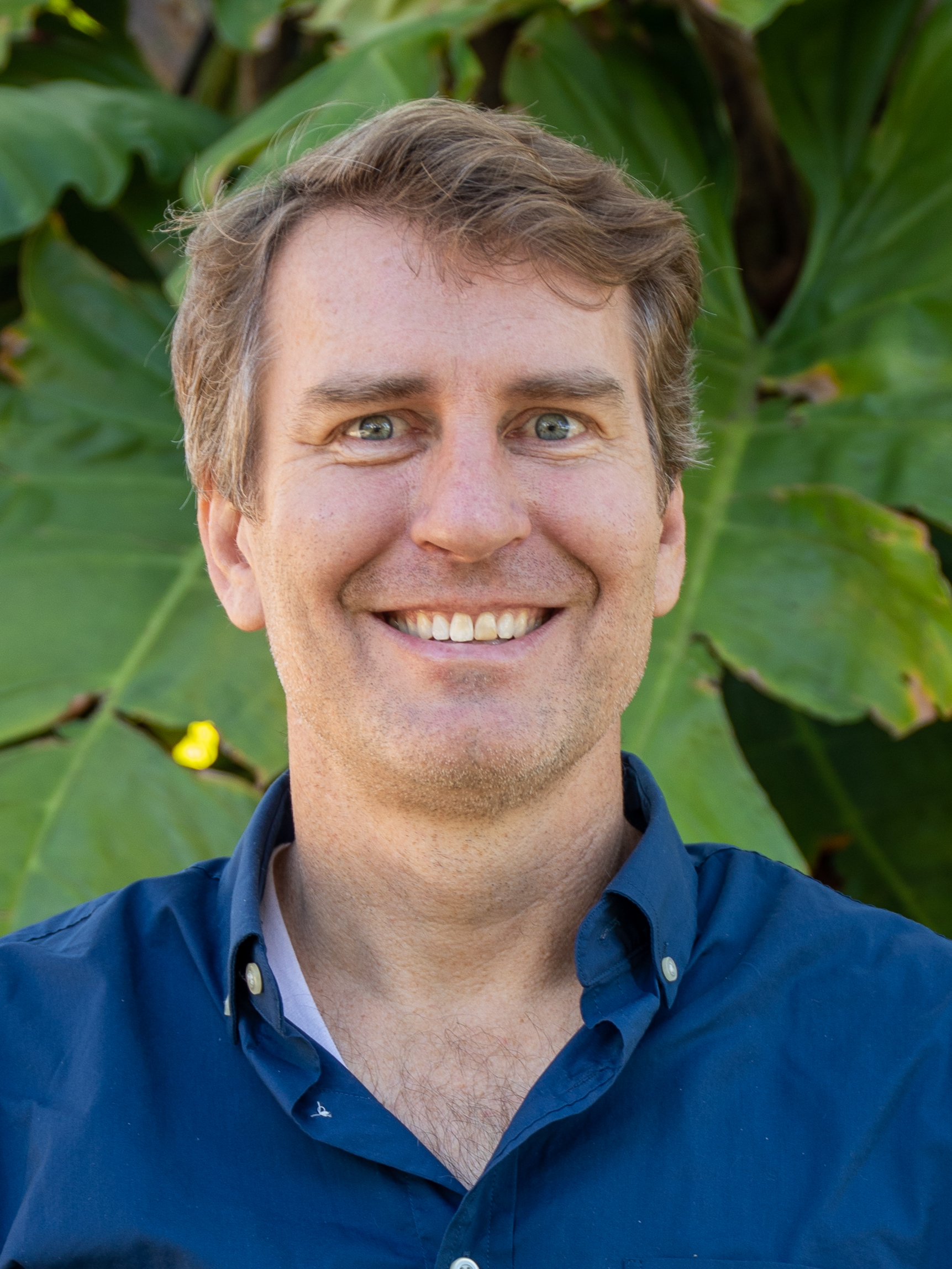
Miles Silman is a Professor of Biology at Wake Forest University and holds the Andrew Sabin Family Foundation Professorship in Conservation Biology. He is also the Director of the Center for Energy, Environment, and Sustainability (CEES), where he leads interdisciplinary research on global environmental change. His work is centered in the Andes and Amazon, particularly in Peru and Bolivia, where he conducts long-term ecological studies.
- B.S. in Biology, University of Missouri (1989)
- Ph.D. in Zoology, Duke University (1996)
His research focuses on tropical forest ecology, conservation biology, and the impacts of climate change on species distributions. He integrates modern ecological fieldwork with paleoecological data to understand how plant communities respond to environmental gradients over time. His lab operates a 3 km altitudinal transect in southeastern Peru, providing critical insights into biodiversity, carbon cycling, and ecosystem resilience.
Silman’s recent publications reveal strong trends in climate-driven species migration, forest productivity along elevation gradients, and the long-term human influence on Amazonian forests. His work frequently appears in high-impact journals such as Science, PNAS, and Global Change Biology, and often involves large collaborative networks. Key themes include species distribution modeling, carbon budgeting, disturbance ecology, and the use of unmanned aerial vehicles for forest monitoring.
- Andrew Sabin Family Foundation Professor of Conservation Biology
He actively mentors graduate and undergraduate students, many of whom conduct field research in South America. He teaches a summer field course on Tropical Biodiversity in Peru and supports student research through grants and lab funding. His lab collaborates with institutions like the Amazon Conservation Association and operates from field stations including Wayqecha, Villa Carmen, and Cocha Cashu. His work has significant implications for conservation policy, climate adaptation strategies, and sustainable land use in tropical regions.