معرفی
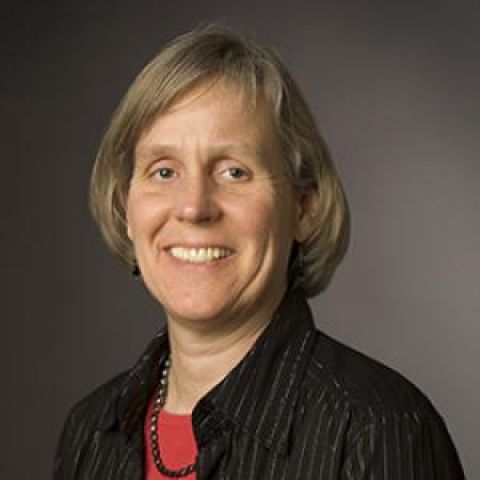
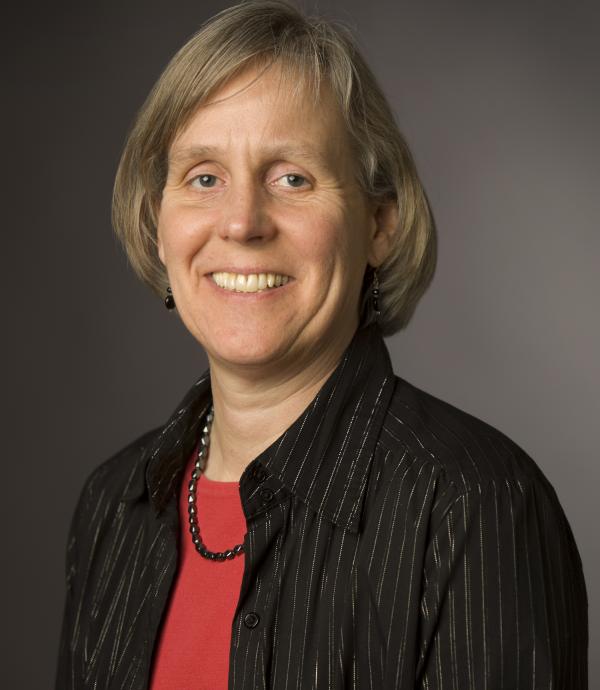
Dr. Mildred E. Warner is a renowned Professor in the Department of City and Regional Planning at Cornell University's College of Architecture, Art, and Planning. Her work spans local government service delivery, economic development, environmental sustainability, and multigenerational planning, with a focus on challenging gender biases and promoting social infrastructure as a catalyst for economic growth. She collaborates globally with local government associations, planners, and policy groups.
- Ph.D. in Development Sociology (1997), Cornell University
- M.S. in Agricultural Economics (1985), Cornell University
- B.A. in History (1979), Oberlin College
Dr. Warner's research interrogates the impacts of privatization, fiscal decentralization, and market-driven approaches on local governance, emphasizing spatial inequality and rural-urban disparities. She investigates age- and gender-based planning, environmental policy, and pragmatic municipalism, with recent work analyzing water affordability, broadband access, and pandemic response strategies. Her comparative international studies span Canada, Ecuador, Honduras, the UK, Germany, the Netherlands, Spain, and China.
Her publications highlight trends in privatization, remunicipalization, public-private partnerships, and age-friendly urban planning. These works often intersect with public health policy, environmental justice, and social equity in service delivery.
Scientific awards include the Margarita McCoy Award (2020), Planning for Social Inclusion Award (2006), and the Excellence in Research Award (2019). She has secured major grants from the USDA, NIH, Pew Charitable Trusts, and international bodies to fund her work on aging, rural development, and infrastructure equity.
Dr. Warner mentors graduate students in planning and public administration, advising on research design and community development. She directs the Local Government Restructuring Lab and co-founded the Community and Regional Development Institute at Cornell. Her expertise is frequently sought in policy circles and media profiles.
حوزههای پژوهشی