معرفی
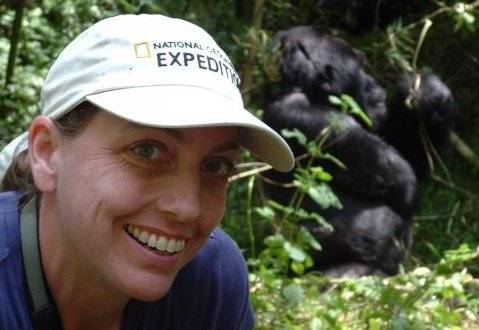
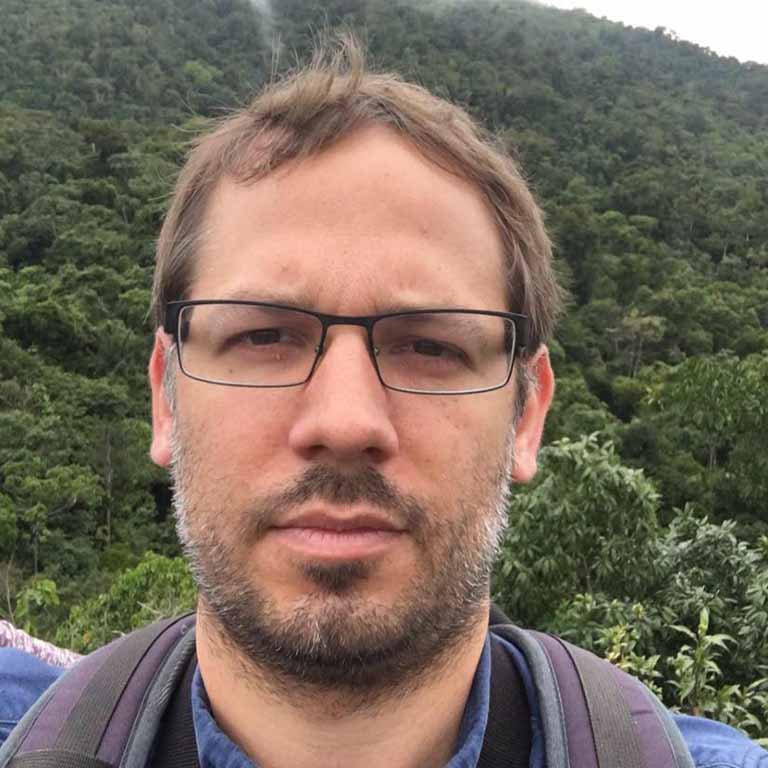
Michael Wasserman serves as Associate Professor of Anthropology and Human Biology at Indiana University Bloomington within the College of Arts & Sciences. He directs the Primate Environmental Endocrinology Lab (PEEL) and maintains active field sites in Uganda's Kibale National Park, Costa Rica, and Panama. Previously, he held positions as Assistant Professor of Environmental Science and Policy at St. Edward's University (2013-2016) and Tomlinson Postdoctoral Fellow at McGill University (2011-2013).
His educational background includes:
- Ph.D. in Environmental Science, Policy, and Management from University of California, Berkeley (2011)
- B.A. in Anthropology and B.S. in Zoology from University of Florida
Wasserman's research centers on primate ecology and evolution with pioneering work in environmental endocrinology. He investigates how endocrine-disrupting chemicals—both natural phytosteroids and anthropogenic pesticides—affect primate physiology, behavior, and conservation through mechanisms involving the endocrine system, immune function, and gut microbiome. His fieldwork examines impacts of light pollution, ecotourism, and forest fragmentation across Africa and Latin America, bridging evolutionary medicine and conservation biology through the EcoHealth framework.
Recent publications (2019-2021) reveal intensifying focus on anthropogenic environmental threats, particularly pesticide exposure in protected areas and innovative fecal biomonitoring techniques. His work consistently connects primate endocrinology to human health through evolutionary perspectives, with strong emphasis on phytoestrogen ecology and cross-continental conservation challenges.
His recognition includes:
- Tomlinson Postdoctoral Research Fellowship at McGill University
Wasserman actively mentors graduate students and postdocs in the PEEL lab, guiding dissertation projects on primate endocrine responses to environmental change. His research is supported by a National Science Foundation International Research Experience for Students (IRES) grant funding fieldwork in Costa Rica, Panama, and Uganda, which annually provides five undergraduate research positions. He recruits new PhD students and postdocs for collaborative projects across multiple continents.
The Primate Environmental Endocrinology Lab (PEEL) operates as a global research network with field sites in Uganda, Costa Rica, and Panama, plus collaborations spanning Africa, Asia, Europe, and the Americas. PEEL integrates endocrinology, microbiome analysis, and behavioral observation to study how human-driven environmental changes—including chemical pollutants, habitat fragmentation, and ecotourism—affect primate health and conservation status through physiological pathways.