معرفی
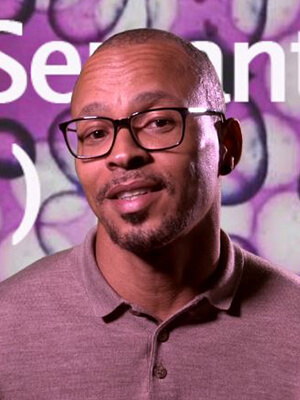
Dr. Michael Ogunnusi is a Lecturer in Youth & Community Work and Education at De Montfort University, affiliated with the School of Applied Social Sciences within the Faculty of Health and Life Sciences. He joined DMU full-time in 2020 and serves as the MA course leader for Community Development and Youth Work, while teaching across BA and MA programmes in Youth Work, Community Development, and Education Studies.
His educational background includes a PhD in Applied Social Sciences (2020), an MA in Health & Community Development (2006), and a BA Hons in Sociology (1992). He holds professional qualifications as a JNC-qualified Youth Worker and a CQSW-qualified Social Worker.
Michael's research centers on youth agency, peace education, and community-based pedagogy. He specializes in Participatory Action Research (PAR), particularly through an innovative use of Photovoice, to explore how marginalized young people understand and respond to violence, conflict, and peace in everyday life. His work emphasizes dialogue, anti-racist narratives, and critical praxis in educational and community settings.
His recent publications reflect a strong thematic focus on youth resistance, intersectionality, global development, and visual participatory methods. These works highlight his commitment to social justice and empowering vulnerable youth through research and practice.
- Intersectionality and resistance in youth work: young people, peace and global 'development' in a racialized world (2018)
- Photovoice: A Focus on Dialogue, Young People, Peace and Change (2019)
- Keep It Together, Keep It Safe: Violence, Peace and Young People (2006)
Michael is actively involved in research through the Institute for Research in Criminology and Community and Social Justice. While no formal awards or grants are listed, his work bridges academic scholarship with direct youth work and peace education in high-risk communities. He continues to contribute significantly to curriculum development, research methodology, and anti-oppressive practice in both youth and educational sectors.
He has no listed scientific awards or formal students. His research group affiliation is with the Institute for Research in Criminology and Community and Social Justice. There is no mention of specific labs or teams, but his work is inherently collaborative and community-embedded.