معرفی
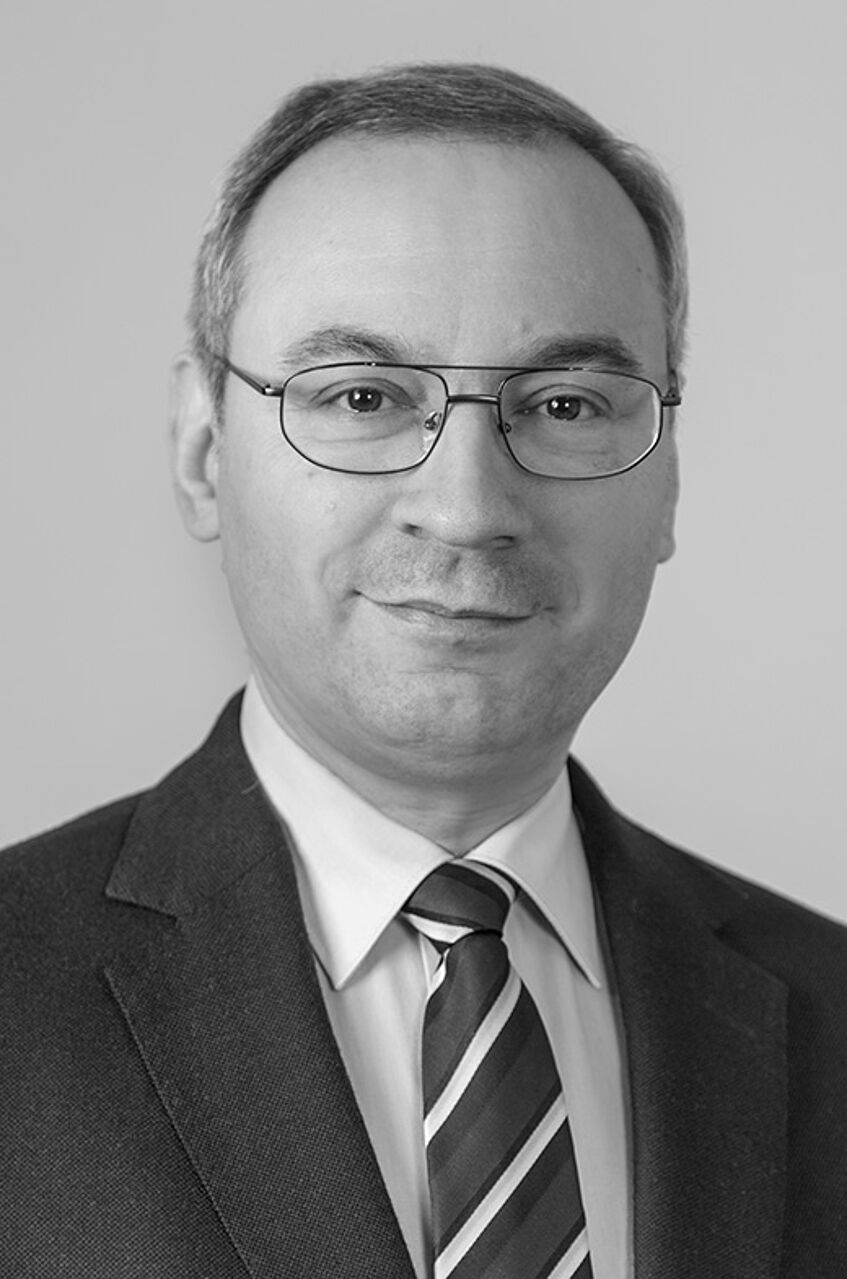
Michael Memmer is an Associate Professor at the Institute for Roman Law and Ancient Legal History within the Faculty of Law at the University of Vienna, where he has been a member since February 1, 1981, and was appointed to his current rank on October 1, 1997. His academic career spans over four decades with continuous contributions to both Roman law and medical jurisprudence.
His educational foundation includes:
- Law studies at the University of Vienna
- Doctorate in Law (1983)
- Habilitation in Roman Law and Ancient Legal History (1995)
Professor Memmer's research centers on Roman private law, Medical law, and the History of medical law, creating unique intersections between ancient legal systems and contemporary healthcare jurisprudence. His work examines how historical legal frameworks shape modern concepts of patient autonomy, medical jurisdiction, and vaccination policies, with particular attention to Austrian legal evolution. This dual expertise manifests in publications ranging from analyses of Roman slavery in Syriac legal codes to modern patient directive legislation.
His publication history reveals a clear trajectory from classical Roman law studies toward medical law applications, with increasing focus on healthcare legislation since 2005. Recent works demonstrate sophisticated integration of historical methodology with current medical-legal challenges, particularly in end-of-life decision-making and vaccination policy.
His scholarly recognition includes:
- Cardinal Innitzer Prize (1995)
- Manz Prize for 'Best Product Innovation Loose-Leaf Work 2005' for the 'Handbook of Medical Law for Practice'
Currently leading collaborative research initiatives including the 'Historiogenesis of legal norms' (with University of Munich) and the 'Legal-Historical Commentary on the New Testament' (with University of Münster), he also engages the public through 'Nox Latina' – Vienna's immersive antiquity and Latin experience event. His institutional role includes mentoring within the Institute's team comprising Franz-Stefan Meissel, José-Domingo Rodríguez Martin, and other scholars.
حوزههای پژوهشی