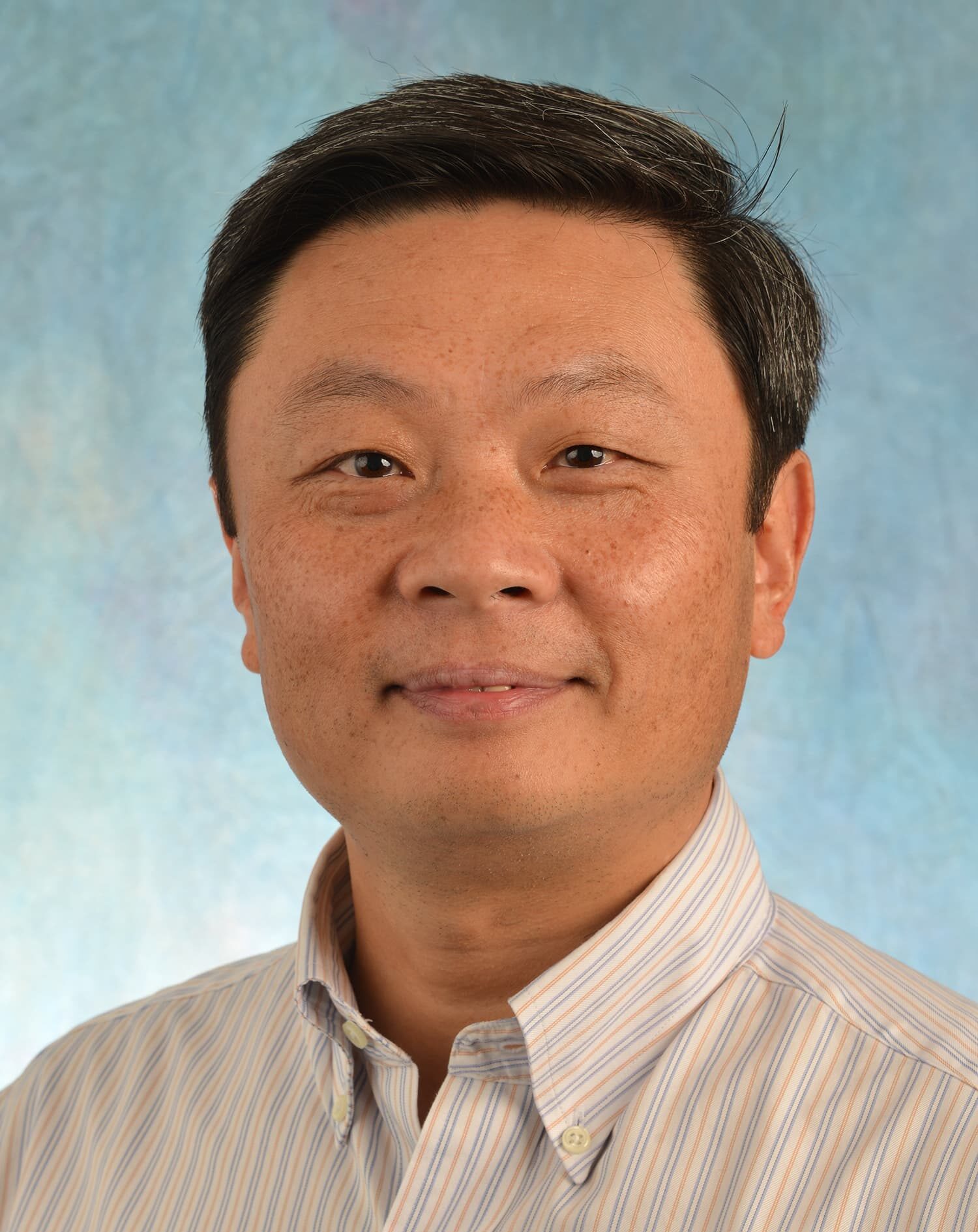
Michael A Farrar
استاد · Regulatory T Cell Immunology
University of Minnesota Twin Citiesمعرفی
Michael A Farrar is a Professor in the Department of Laboratory Medicine and Pathology at the University of Minnesota Medical School and a member of the Cancer Immunology Center for Immunology. With an extensive research career spanning over three decades (since 1989), Dr. Farrar has established himself as a leading researcher in immunology with particular expertise in regulatory T cells, STAT5 signaling, and immune tolerance mechanisms.
Dr. Farrar's research focuses on understanding the fundamental mechanisms of immune regulation, particularly the role of regulatory T cells (Tregs) in various disease contexts. His work spans multiple areas including cancer immunology, autoimmune diseases (particularly diabetes), neuroimmunology (Alzheimer's disease), and immune tolerance development. His laboratory investigates how STAT5 signaling pathways regulate immune cell function in both normal and pathological conditions.
Analysis of his recent publications reveals a strong emphasis on T cell biology, with particular attention to regulatory T cells and their role in disease pathogenesis. His work bridges basic immunological mechanisms with translational applications, including cancer immunotherapy and autoimmune disease interventions. Current research trends show increasing focus on metabolic regulation of immune cells, mucosal immunity, and the application of immunological principles to diverse disease models including cancer, diabetes, and neurodegenerative disorders.
Dr. Farrar has secured significant research funding, currently leading multiple NIH-funded projects including:
- Regulatory T Cells in Alzheimer's Disease (NIA)
- Regulation of central tolerance and Treg development (NIAID)
- Development of Immune Tolerance (NIAID)
- Regulation of tumor associated macrophage function by STAT5 in breast cancer (NCI)
His laboratory is actively investigating the intersection of immunology with other disciplines, as evidenced by collaborative work spanning cancer biology, neurology, endocrinology, and veterinary medicine. This interdisciplinary approach has resulted in numerous high-impact publications across immunology, oncology, and related fields.