معرفی
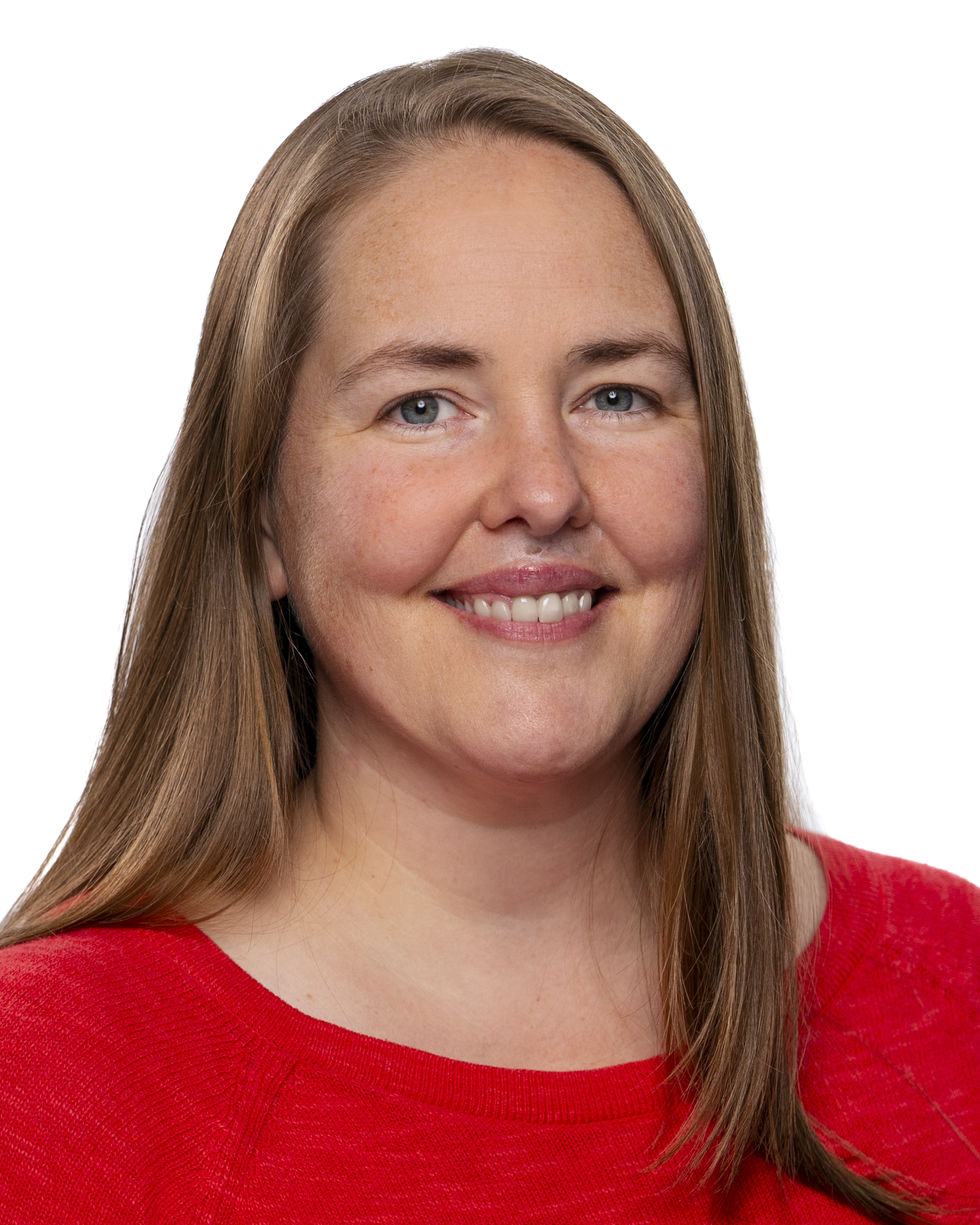
Megan Dennis is an Associate Professor of Biology in the School of Science at Marist College, where she conducts research and mentors undergraduate students in cell biology and bacteriophage discovery. She is actively involved in the SEA-PHAGES program and leads a research lab focused on lysosome-related organelle biogenesis.
Education:
- PhD in Biomedical Sciences, University of New Mexico School of Medicine
- BS in Biology with minor in Philosophy, Gonzaga University
Her research centers on the molecular mechanisms of lysosome-related organelle (LRO) biogenesis, particularly in melanocytes, where defects lead to diseases such as Hermansky-Pudlak Syndrome. She uses mouse melanocyte models to study protein trafficking, membrane dynamics, and the roles of complexes like BLOC-1, BLOC-2, and AP-3. More recently, she has expanded into bacteriophage research with undergraduates, isolating and characterizing novel phages from campus environments. Her work bridges fundamental cell biology with innovative undergraduate research training.
Her recent publications reflect a dual focus: (1) the molecular cell biology of LROs and membrane trafficking, and (2) STEM education research, particularly in course-based undergraduate research experiences (CUREs) and inclusive education models. She has also published numerous bacteriophage genome sequences, often with student co-authors.
Scientific Awards and Grants:
- 2023 NSF MRI Grant (Senior Personnel) - $884,934 for confocal microscope acquisition
- 2021–2024 NIH R15 Grant - $346,418 for chromatin and genomic integrity in germ cells
- 2019–2023 NIH R15 Grant - $379,914 for AP-3 in melanosome biogenesis
- 2012–2015 NIH NRSA Postdoctoral Fellowship
- 2010–2012 Penn-PORT Postdoctoral Fellowship (NIH IRACDA)
Megan Dennis actively advises undergraduate researchers, many of whom are co-authors on her publications. She has secured significant external funding, demonstrating strong grant-writing success. Her lab integrates cutting-edge cell biology with hands-on training, and she collaborates nationally through the SEA-PHAGES program and NIH-funded projects. She previously served as a Visiting Instructor at Rutgers University-Camden.
She is affiliated with a research laboratory at Marist where students engage in both LRO and phage research. She collaborates with institutions including the University of Pittsburgh and the Howard Hughes Medical Institute through the SEA-PHAGES program, and her work contributes to both basic science and science education reform.