معرفی
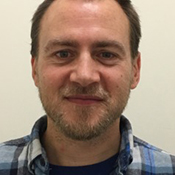
Maude E. Phipps is a Professor of Human Genetics at the Jeffrey Cheah School of Medicine and Health Sciences, Monash University Malaysia. Her research focuses on human population genetics, particularly addressing knowledge gaps in indigenous communities of Southeast Asia. She has held visiting professorships at institutions like Stanford University and the Max Planck Institute for Evolutionary Anthropology. Phipps also serves on global committees, including the National Academy of Sciences (USA) Committee on Countering Misleading Information and the Futureproofing Healthcare Initiative.
Education:
- B.Sc.Hons (1st Class) in Genetics, Universiti Malaya (Plasmid-mediated antibiotic resistance in E. coli)
- Ph.D. in Human Molecular Genetics, University of Cambridge
Research Interests:
- Indigenous genetics and health disparities
- Genomic medicine and precision healthcare
- Evolutionary genetics of Southeast Asian populations
- HLA immunogenetics and transplant compatibility
- Microbiome studies in indigenous communities
Recent Research Trends: Her work bridges genetic insights with healthcare innovation, emphasizing indigenous population studies, antimicrobial resistance, and global health equity. Recent articles highlight high-altitude genetic adaptations, microbiome-cardiometabolic links, and pharmacogenetic approaches to ADHD.
Awards: Recognized with the Great Women of Our Time Award (2009), Monash Research Excellence Awards (2021), and National Academy of Sciences appointments.
Grants & Collaborations: Led projects on Orang Asli healthcare rationality, Sea Nomad genomics, and host-pathogen interactions in indigenous populations. Collaborates globally with institutions like the University of Oxford and CINESTAV Mexico.
Teaching: Teaches genetics, biochemistry, and medical ethics at Monash, integrating research into curricula (e.g., MED 1100/1200, PgDipBiomedSc).
Labs/Teams: Active in Monash's Victorian Heart Institute and leads initiatives like the Women's Empowerment Network (WEN) to support early-career researchers.