معرفی
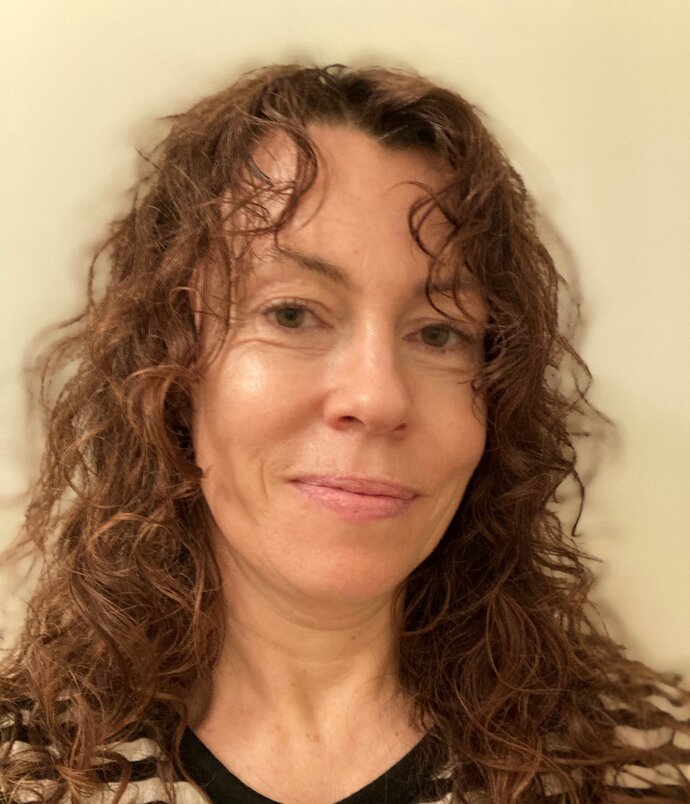
Mathilda Kjällquist is a Doctoral Student in Archaeology at Lund University, affiliated with the Department of Archaeology and Ancient History under the Joint Faculties of Humanities and Theology. She is based in Lund, Sweden, and conducts interdisciplinary research combining geochemical and archaeological methods to study prehistoric human mobility and social organization.
Her research focuses on Mesolithic mobility, social networks, and territorial organization in southern Scandinavia, particularly among pre-Neolithic hunter-gatherer groups. She employs advanced techniques such as laser ablation strontium isotope analysis of teeth, integrated with lithic technology and raw material studies, while also contributing to the development of a regional strontium baseline. Her work builds upon her licentiate thesis from Uppsala University (2020) and draws extensively from material collected through her long-standing experience in contract archaeology since 1998.
Her recent publications reflect a strong trend in applying strontium isotope methodologies to understand movement patterns, settlement dynamics, and resource use during the Mesolithic period, particularly in southern Sweden. The research spans environmental archaeology, bioarchaeology, and archaeological science, with a focus on sites like Skateholm, Norje Sunnansund, and Västerbjers.
She is actively involved in two major projects: her own dissertation titled Mesolithic Social Networks and Territorial Tendencies in Southern Scandinavia, supervised by Pavel Jordan and Anders Boethius; and a research project on paleoreconstructions and preservation at the Skateholm site funded by The Royal Physiographic Society in Lund, where she serves as a researcher.
Mathilda Kjällquist has co-authored multiple peer-reviewed articles in journals such as Archaeological and Anthropological Sciences, PLoS ONE, and Quaternary Environments and Humans, as well as contributing to book chapters and technical reports. Her work is open access and widely cited in Mendeley and social media, indicating strong academic engagement.