معرفی
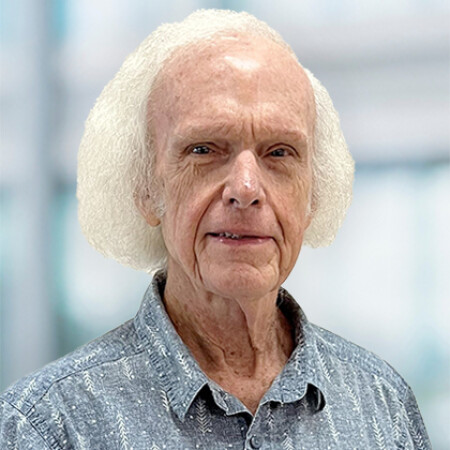
Dr. MaryAnn Demchak is a Professor of Special Education and Disability Studies in the College of Education and Human Development at the University of Nevada, Reno, where she coordinates the Verified Course Sequence in Applied Behavior Analysis and directs Nevada's state deafblind project (Nevada Dual Sensory Impairment Project) providing technical assistance for children with dual sensory impairments.
Her educational background includes a Ph.D. and M.P.A. from The Pennsylvania State University, an M.S. from Shippensburg State College, and a B.S. from Clarion State College.
Dr. Demchak's research centers on evidence-based instruction for students with severe, multiple disabilities—particularly deafblindness—using applied behavior analysis methodologies. Her work emphasizes staff training in behavioral skills, augmentative communication systems, and instructional strategies like system of least prompts and constant time delay, with significant focus on rural education challenges and self-determination for children with disabilities.
Analysis of her 2020-2025 publications reveals consistent methodological rigor through single-case designs and systematic reviews, with thematic concentration on deafblindness interventions, rural special education equity, and translating research into practical staff training protocols for sensory-impaired populations.
No scientific awards are documented in the provided materials.
Dr. Demchak has secured $6.2 million in external funding for personnel preparation initiatives and has mentored doctoral students in collaborative projects including symbol acquisition for deafblind children and remote nutrition education. Her administrative leadership spans roles as Program Coordinator, Graduate Director, Department Chair, Division Director, and Associate Dean.
Through the Nevada Dual Sensory Impairment Project, she leads statewide collaborations with schools, early intervention programs, and families to implement individualized supports for children with severe disabilities, emphasizing interdisciplinary team approaches and community-based service delivery models.