معرفی
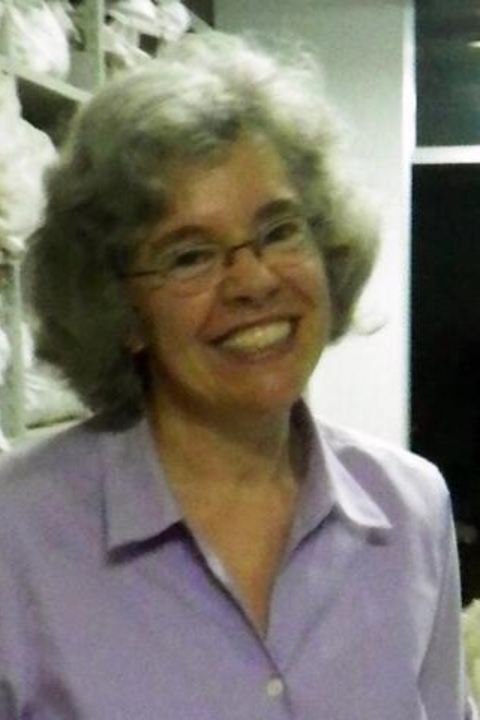
Martina Revello Lami is an Assistant Professor of Material Culture Studies in the Department of Archaeological Sciences at Leiden University, where she contributes to both BA and MA curricula. Her academic journey began with an MA and culminated in a PhD from the University of Amsterdam, where she joined the Satricum Project as a pottery specialist, laying the foundation for her expertise in ceramic technology and Etruscan archaeology.
- University: Leiden University
- School: Faculty of Archaeology
- Department: Department of Archaeological Sciences
- Academic Rank: Assistant Professor
- Email: m.revello.lami@arch.leidenuniv.nl
- ORCID: 0000-0001-6572-4016
Her research centers on material culture, ceramic technology, digital humanities, and public archaeology, with a focus on connectivity in the ancient Mediterranean. She employs interdisciplinary methods, including 3D visualization and petrographic analysis, to explore craft production, technological knowledge, and socio-political dynamics in pre-Roman and Roman Italy. She is particularly known for her work on the Satricum site and the organization of ceramic workshops.
Her recent publications reflect a strong trend toward public engagement, participatory archaeology, and the politics of heritage. She co-edits Ex Novo Journal of Archaeology, where she has spearheaded volumes on Balkan archaeology, forced migration, and the legacies of Fascism and National Socialism. Her work bridges traditional archaeological analysis with contemporary societal issues, emphasizing reflexivity and inclusivity.
- Scientific Editor: Ex Novo Journal of Archaeology
- Key Research Themes: Public Archaeology, Heritage Politics, 3D Technologies, Craft Specialization
- Major Projects: Pottery Goes Public, Satricum Project
Martina actively mentors emerging scholars and collaborates internationally. She has led initiatives to democratize archaeological knowledge through digital tools and public dialogue. Her work in human mobility, identity, and heritage management demonstrates a commitment to making archaeology relevant in today’s world. She has also contributed to debates on archaeological ethics, UNESCO policies, and the role of archaeology in conflict zones.
She is involved in multiple academic networks and has presented at international conferences, including the European Association of Archaeologists. Her leadership in academic publishing and public outreach underscores her role as a key figure in contemporary archaeological discourse.
حوزههای پژوهشی