معرفی
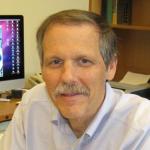
Martin Lind is a Senior Lecturer in Conservation Biology and Associate Professor in Zooecology at Halmstad University, with a concurrent research position at Uppsala University's Department of Ecology and Genetics. His primary affiliation is with Halmstad's Academy of Entrepreneurship, Innovation and Sustainability.
He specializes in life history evolution, focusing on non-genetic inheritance mechanisms such as phenotypic plasticity, maternal effects, and epigenetic inheritance, particularly in nematodes (Caenorhabditis elegans and C. remanei). Collaborative research extends to studying life history evolution and sexual selection in collared flycatchers and seed beetles. His work is funded by the Swedish Research Council (VR) and forms part of the M4HP research program.
Teaching responsibilities include 13 courses at Halmstad University and one at Uppsala University. Research themes include evolutionary consequences of epigenetic inheritance, trade-offs in lifespan extension, and adaptation in wild populations (e.g., salmonoids). The Lind Lab operates at both universities, combining experimental evolution with field studies.
Key research tools include experimental evolution in model organisms, artificial selection experiments, and genetic manipulation techniques. He emphasizes collaboration across institutions and disciplines to address ecological and evolutionary questions with societal relevance, such as climate change impacts on pollinators and sustainable resource management.
His work bridges basic science and applied conservation, aiming to understand how organisms adapt to environmental changes and how these mechanisms can inform biodiversity preservation strategies.