معرفی
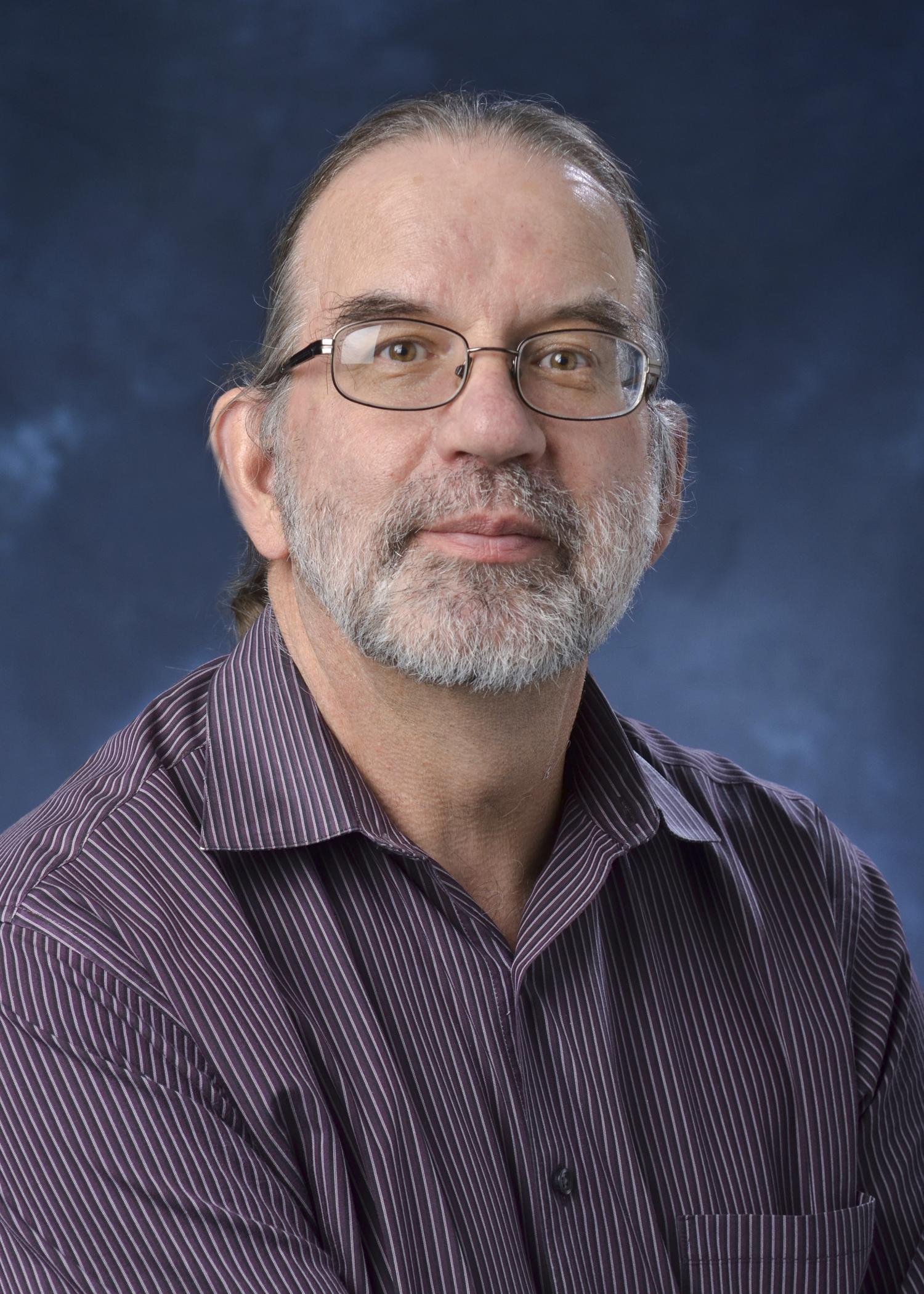
Mark Serreze is a Distinguished Professor of Geography at the University of Colorado Boulder, serving as the Director of the National Snow and Ice Data Center (NSIDC) and a Fellow of the Cooperative Institute for Research in Environmental Sciences (CIRES). He has been at the forefront of Arctic climate research for decades, with his work increasingly focused on documenting and understanding the rapid environmental transformations occurring in the polar regions. As Director of NSIDC, he oversees a team of approximately 70 programmers, data specialists, and scientists who provide critical analysis of Arctic sea ice conditions and other cryospheric data. His research and leadership position him as a key figure in translating complex climate science for both scientific and public audiences.
Education
- Ph.D. in Geography, University of Colorado at Boulder (1989)
Research Interests
Dr. Serreze's research spans multiple aspects of Arctic climate science, with particular expertise in atmosphere-sea ice interactions, synoptic climatology, boundary layer problems, and climate change. His field work has taken him to the Canadian Arctic to study sea ice and icecaps, as well as the Alaskan tundra. Over the past decade, his research has increasingly focused on understanding the rapid environmental changes being observed across the Arctic region. He currently leads the Arctic Rain on Snow Study (AROSS), a project within the National Science Foundation's Navigating the New Arctic (NNA) initiative, which investigates the distribution, severity, and changing frequency of rain-on-snow and melt-refreeze events in the Arctic and their wide-ranging impacts.
His work demonstrates how these rain-on-snow events can have catastrophic consequences for Arctic ecosystems, creating ice layers that prevent caribou and reindeer from accessing food, leading to population crashes that subsequently affect predators and Indigenous communities dependent on these animals. This research exemplifies his approach of connecting fundamental climate processes to their broader environmental and societal implications.
Research Trends
Analysis of Dr. Serreze's recent publications reveals a clear trajectory from studying fundamental Arctic climate processes to examining the cascading effects of climate change across interconnected systems. His work increasingly integrates observational data with climate modeling to understand and predict Arctic changes. A dominant theme is the accelerating transformation of the Arctic environment, with sea ice extent declining by approximately 50% since the 1980s and precipitation patterns shifting toward more rain and less snow.
This research demonstrates how changes once considered theoretical are now being observed in real-time, with profound implications not just for the Arctic but for global climate systems. His publications show particular attention to how these changes affect Indigenous communities and traditional ways of life, reflecting a growing emphasis on the human dimensions of Arctic climate change.
Scientific Recognition
Dr. Serreze's contributions to climate science have been widely recognized through numerous prestigious awards:
- 2019: Named a University of Colorado Distinguished Professor by the Board of Regents
- 2017: Named Professor of Distinction, University of Colorado, Boulder
- 2014-2017: Thompson Reuters Highly Cited Researcher Award (ranking among top 1% of researchers in his field)
- 2014: Elected Fellow of the American Meteorological Society
- 2015: American Meteorological Sigma-XI Distinguished Lecturer
- 2018: Author of "Brave New Arctic, the Untold Story of the Melting North"
Mentorship and Research Leadership
Dr. Serreze has advised multiple graduate students including Ethan Carr, Zaria Cast, and Jonathon Cavitt. He has consistently taught courses at CU Boulder such as "Arctic Environment," "Our Changing Planet: Climate and Vegetation," and "The Arctic Climate System." His current research extends beyond traditional academic boundaries, with significant emphasis on science communication and public engagement. As Director of NSIDC, his team provides year-round analysis of Arctic sea ice conditions, with near real-time updates that inform both scientific research and public understanding of climate change.
His leadership of the Arctic Rain on Snow Study exemplifies his approach to addressing complex climate challenges through interdisciplinary collaboration, bringing together atmospheric scientists, ecologists, and social scientists to understand the full implications of changing precipitation patterns in the Arctic.
Research Infrastructure
As Director of the National Snow and Ice Data Center, Dr. Serreze oversees one of the world's premier facilities for cryospheric data. NSIDC processes and analyzes satellite data to provide near real-time monitoring of Arctic sea ice extent, with regular scientific analysis of evolving conditions. The center plays a critical role in maintaining long-term climate records and developing tools for researchers worldwide. Under Serreze's leadership, NSIDC has expanded its focus to include not just data archiving but active interpretation and communication of climate trends, making complex scientific information accessible to policymakers and the public.