معرفی
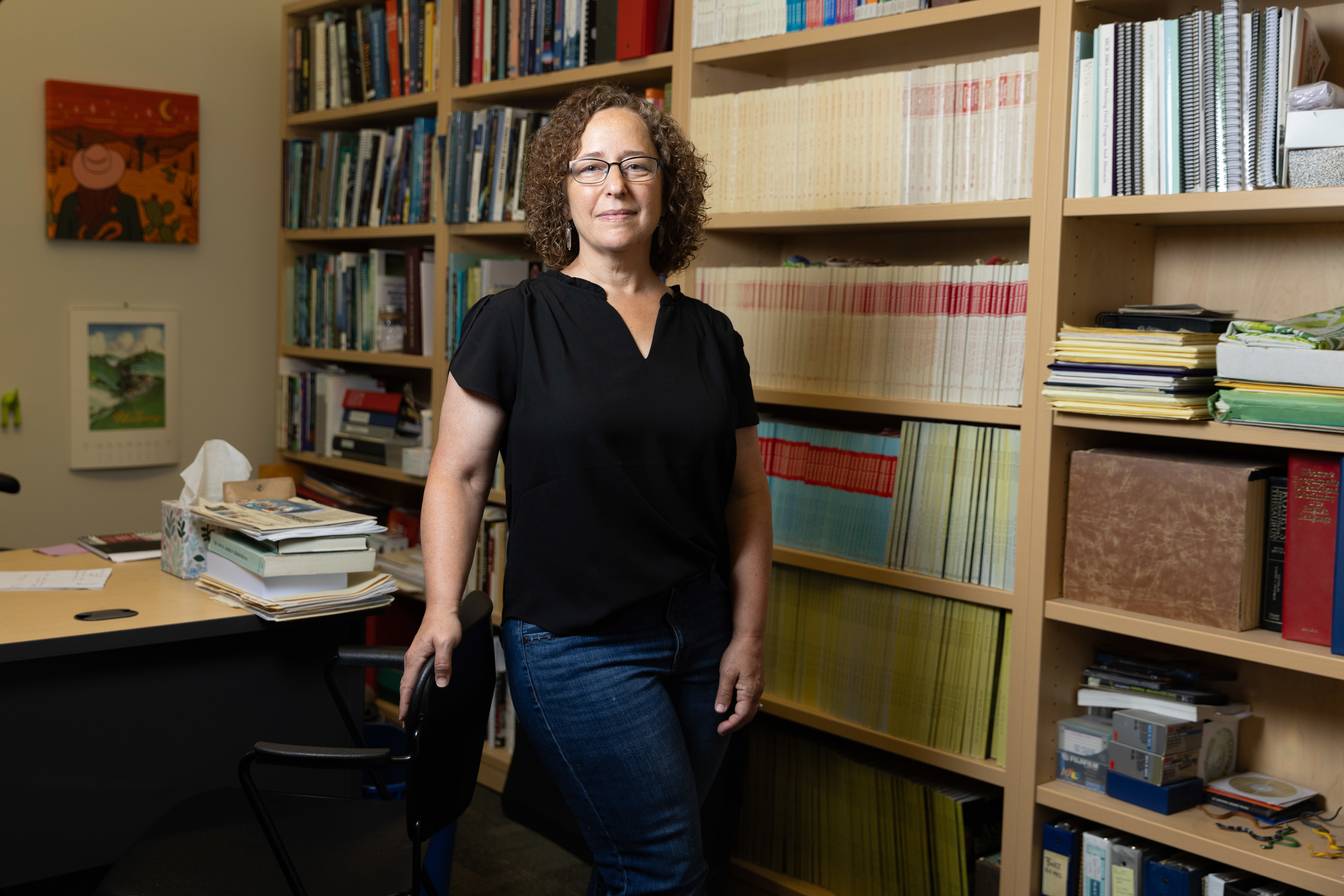
Mark O. Martin, PhD, is Associate Professor of Biology at the University of Puget Sound, where he has taught and conducted research since 2005. A staunch advocate of the teacher-scholar model, he integrates undergraduate education with laboratory investigations in microbiology, emphasizing critical thinking, creativity, and mentorship.
Education
- BA, University of California, Los Angeles, 1980
- PhD, Stanford University, 1986
Research Interests
Martin’s MattersMicrobial lab explores the molecular genetics, ecology, and evolution of “undomesticated” microbes. Core themes include:
- Bacterial Predators – genomics and ecology of Bdellovibrio, Ensifer, and Saprospira.
- Microbial Symbioses – protective cloacal microbes in lizards and microbiomes of extremophilic tardigrades.
- Bioluminescence – harnessing light-emitting bacteria for science-art outreach.
- Marine Anthropogenic Microbiology – sulfide-seep communities in Puget Sound.
- Science Communication & Outreach – blogs, podcasts, and K-12 phage-therapy activities.
Publication Trends
Across 30+ years, Martin’s scholarship has migrated from classical genetics of bioluminescence and plasmid biology to contemporary genomics, host-microbe interactions, and large-scale microbiome projects. Recent work emphasizes ecological applications—egg-protective microbiota, hospital microbiome surveillance—and innovative pedagogy, reflecting an integrative vision that couples basic discovery with societal benefit.
Scientific Awards & Honors
- Carski Foundation Award, American Society for Microbiology (2018)
- ASM Distinguished Lecturer (2020-2022)
Mentorship & Impact
Martin has mentored dozens of undergraduates, 24 of whom have entered PhD programs and five of whom now hold faculty positions. Operating a “one student–one project” philosophy, he fosters ownership and accountability that translate into long-term scientific success.
Labs & Teams
The Microbial Menagerie lab (Thompson 275) houses undergraduates, collaborators such as Dr. Stacey Weiss (lizard microbiome) and Dr. Joel Elliott (marine seeps), and visiting researchers, creating a vibrant environment for interdisciplinary microbiology.