معرفی
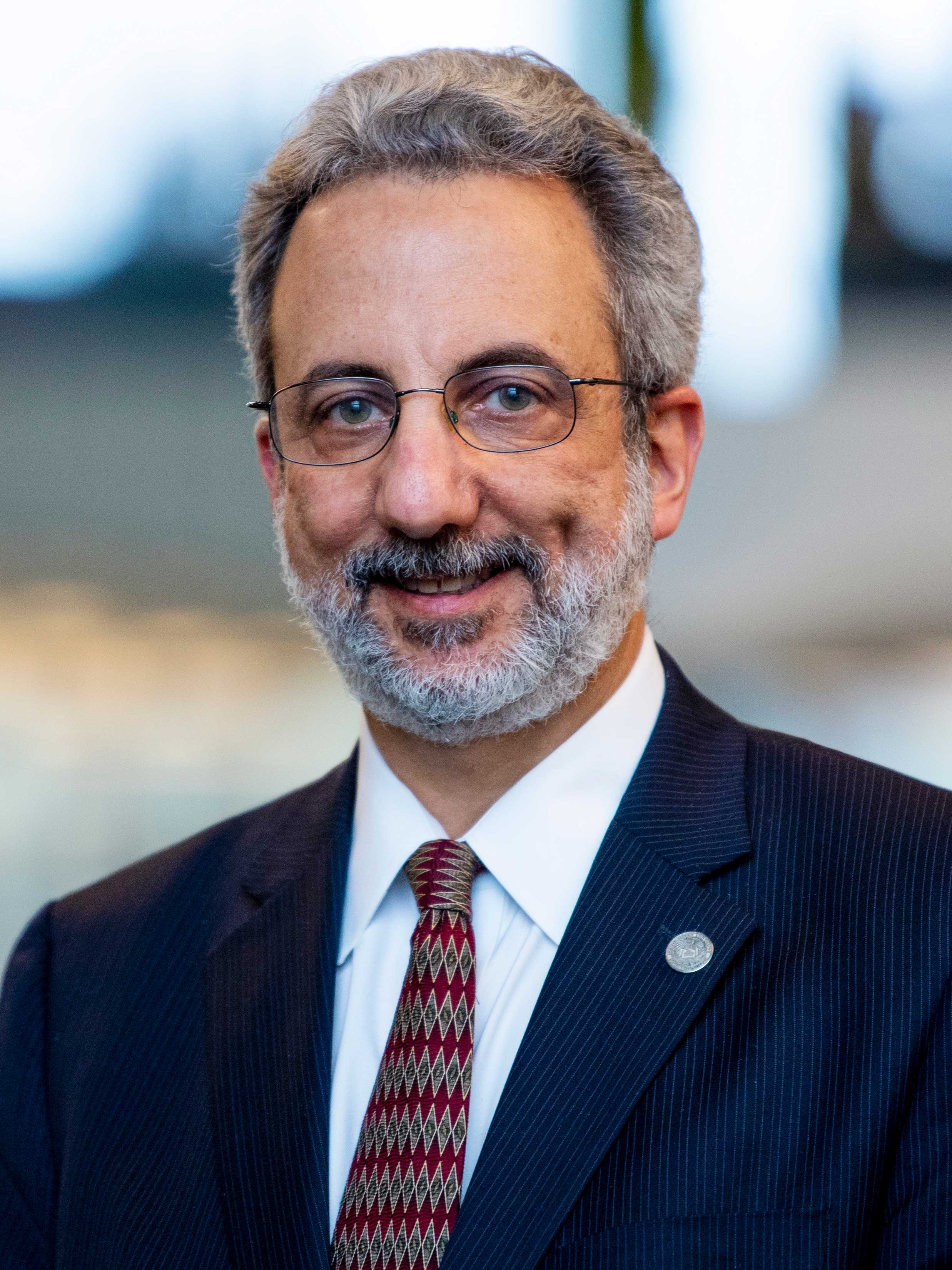
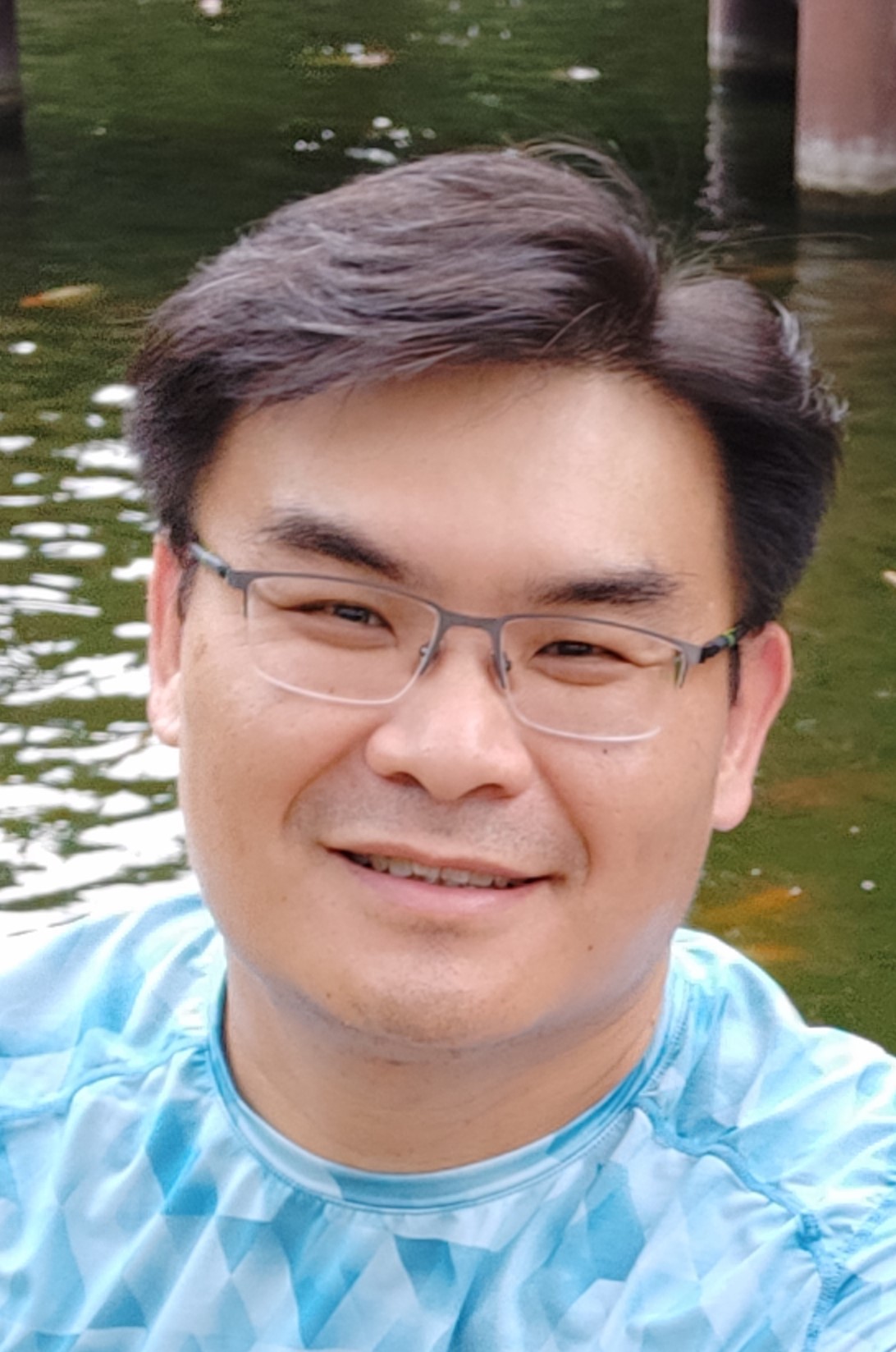
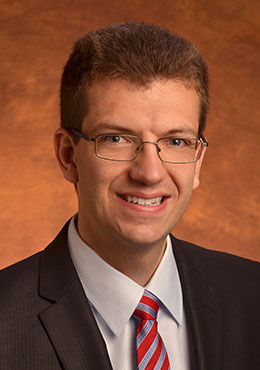
Mark Denavit is an Associate Professor in the Department of Civil and Environmental Engineering at the University of Tennessee, Knoxville, within the Tickle College of Engineering. He has been a faculty member since August 2016, initially as an Assistant Professor, and was promoted to Associate Professor in August 2023. He is also a licensed Professional Engineer in Georgia and works as a consulting engineer.
His educational background includes:
- Ph.D. in Civil (Structural) Engineering, University of Illinois at Urbana-Champaign, 2012
- M.S. in Civil (Structural) Engineering, University of Illinois at Urbana-Champaign, 2009
- B.S. in Engineering (Civil), Colorado School of Mines, 2006 (with High Scholastic Honors)
Dr. Denavit's research centers on structural engineering, particularly steel and composite structures, with focus areas in structural stability, nonlinear analysis, and seismic behavior. His work involves both computational modeling and experimental validation, especially in concrete-filled steel tube systems and composite frames. He develops advanced analysis tools within the OpenSees framework and contributes to practical design tools like the SJI Roof Bay Analysis Tool with ponding analysis.
His recent publications demonstrate a strong trend in advancing the understanding and design of composite structural systems, especially under seismic loading. The research spans modeling, simulation, design provisions, and full-scale testing, with a consistent emphasis on stability, nonlinear behavior, and performance-based design.
Scientific awards and recognitions include:
- Peter G. Hoadley Award for Outstanding Engineering Educator, ASCE Knoxville Branch, 2023
- Terry Peshia Early Career Faculty Award, AISC, 2021
- Teaching Fellow Award, Tickle College of Engineering, 2021
- Outstanding Teaching Award, CEE Department, 2020
- Sarada M. and Raju A. Vinnakota Award, Structural Stability Research Council, 2012
- Outstanding Graduating Senior, Colorado School of Mines, 2006
Dr. Denavit has advised students through research projects and senior design, though formal advisee names are not listed. He has secured research funding through collaborations with industry partners such as the Steel Joist Institute and professional societies. He is actively involved in professional service, serving on multiple AISC and ASCE/SEI committees related to specifications, composite design, and seismic provisions. He also developed educational software tools that support both research and practice in structural engineering.
He leads a research group focused on computational structural engineering and composite systems, utilizing OpenSees for advanced simulations. His team develops modeling techniques for steel-concrete composite members and contributes to open-source structural analysis tools. His work bridges academic research and practical application in structural design.