Marisa E. Marraccini
دانشیار · Suicide Prevention
University of North Carolina at Chapel Hillمعرفی
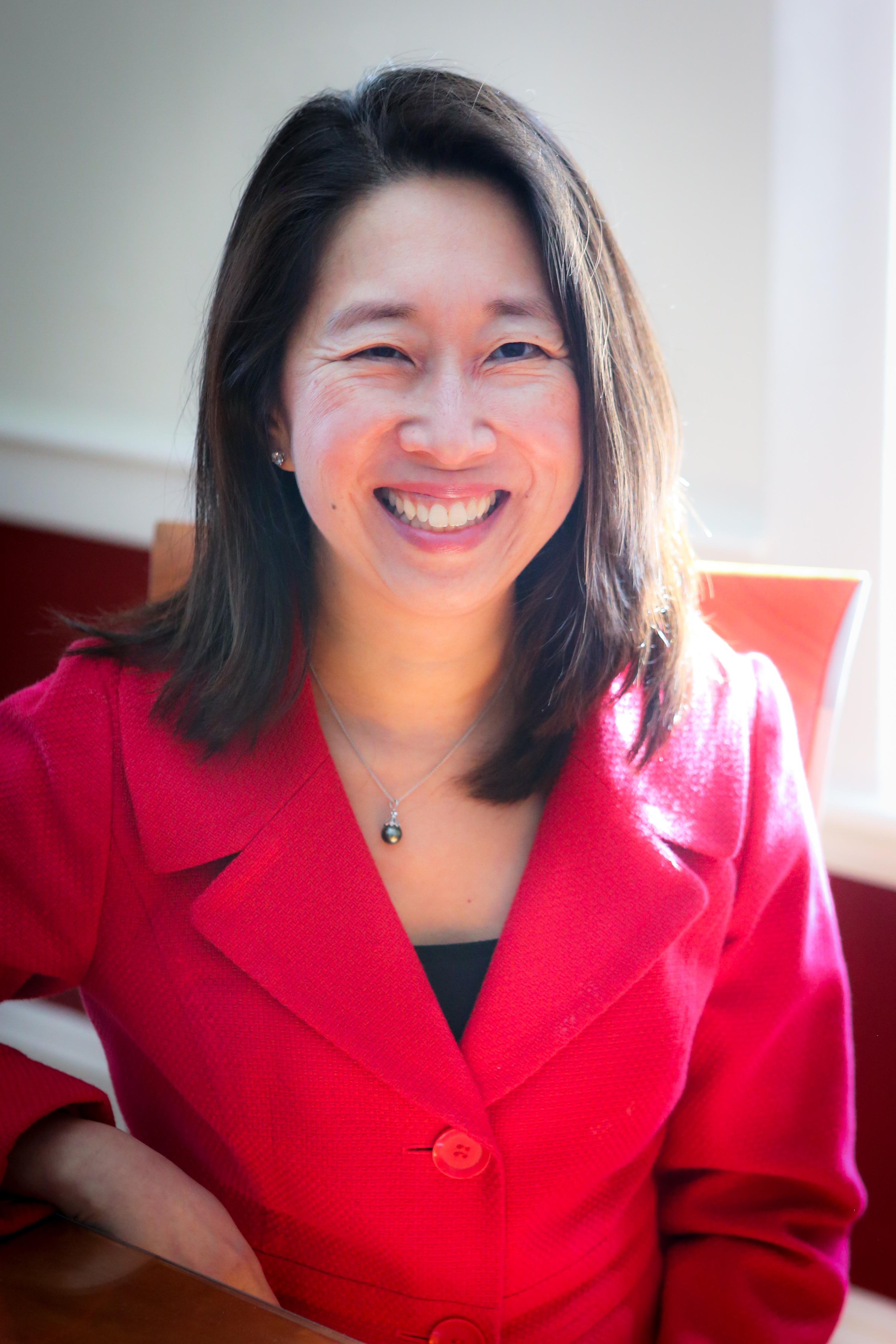
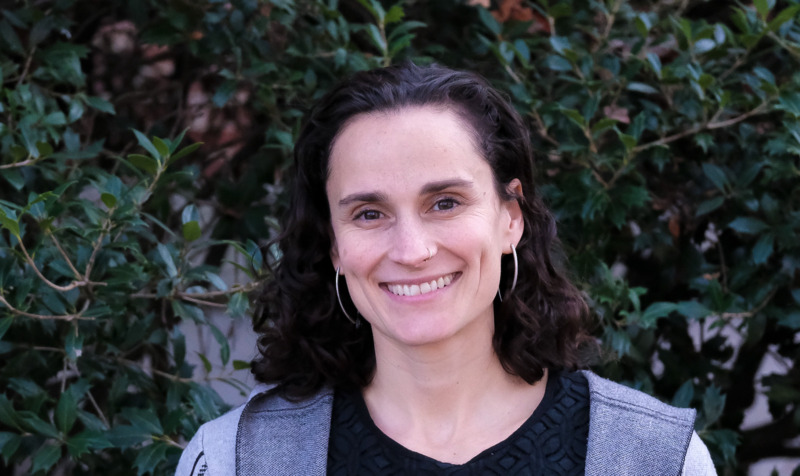
Marisa E. Marraccini is an Associate Professor in School Psychology at the University of North Carolina at Chapel Hill’s School of Education, holding the Donald & Justeen Tarbet Faculty Scholar in Education title. Her work focuses on promoting mental health and preventing health risk behaviors in schools, particularly for high-risk adolescents. She holds a Ph.D. in School Psychology (2015) and M.A. in Psychology (2013) from the University of Rhode Island. Her postdoctoral training at Brown University’s Warren Alpert Medical School further specialized her expertise in suicide assessment research.
- Education:
- Ph.D., School Psychology, University of Rhode Island, 2015
- M.A., Psychology, University of Rhode Island, 2013
- Key Research Interests:
- Suicide prevention in schools
- Digital therapeutics (e.g., virtual reality interventions)
- School reintegration post-psychiatric hospitalization
- School climate and connectedness
- Social justice in education
Her research emphasizes school-based interventions to mitigate suicide risk, with a focus on adolescents’ post-hospitalization experiences and leveraging technology for mental health support. Notable projects include a virtual reality intervention to complement inpatient care for suicide-related crises and collaborative work with youth to design social media-based therapeutic tools. Marraccini advocates for trauma-informed, equity-centered approaches, particularly addressing disparities in Black boys’ mental health outcomes.
Her funded research explores school reintegration protocols, caregiver experiences, and the intersection of school environments with mental health recovery. While no specific grants or awards are listed, her work is supported through university and external collaborations. She actively contributes to policy discussions on school mental health practices and educator training.
Marraccini’s lab focuses on translating research into practice, partnering with schools and hospitals to create actionable solutions. She mentors school psychology trainees to become equity-driven practitioners, emphasizing evidence-based practices and systemic advocacy.