معرفی
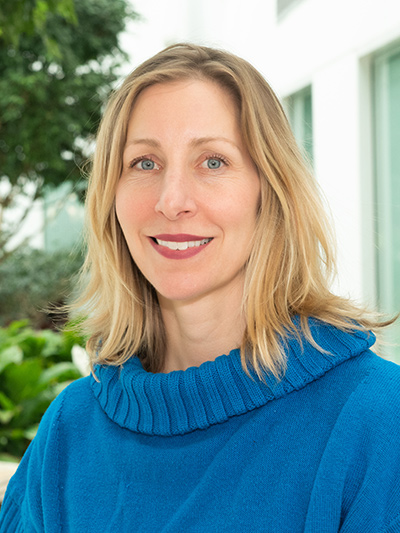
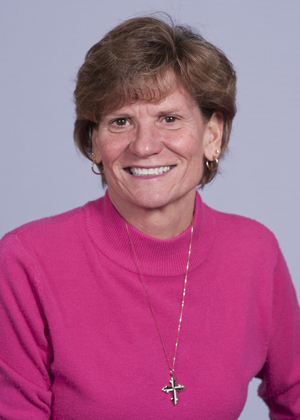
Mariane M Fahlman is a Professor in the Division of Kinesiology, Health and Sport Studies at Wayne State University's College of Education. She holds a Ph.D. in Exercise Science and Health Education from the University of Toledo and an MA in Exercise Physiology from Wayne State University. Her academic home is in a health-focused department within a college dedicated to education, emphasizing her role in shaping health educators and practitioners.
Her research interests center on Healthy living across the lifespan, with a strong focus on Exercise and Cognition, Exercise in Elderly Populations, Eating and Physical Activity Behaviors, Exercise and Immune Function, and School Health Education. She actively explores racial inequities in health behaviors and disease, aiming to develop targeted interventions for urban and minority populations.
The trends in her recent publications (2018–2024) demonstrate a sustained commitment to community-based health promotion, particularly for seniors and urban youth. Her work spans functional fitness programs, mindfulness and yoga interventions, nutrition education, and school-based physical activity initiatives. A strong theme is health equity, with repeated studies on racial, ethnic, and socioeconomic disparities in health outcomes.
Her scientific awards highlight her excellence in teaching and leadership:
- WSU Distinguished Faculty Fellowship
- WSU Academy of Teachers University Educator of the Year
- The Governor's Council Vern Seefeldt Lifetime Achievement Award
- Michigan Association of Health, Physical Education, Recreation and Dance President's Award for Excellence in Teaching
- Inaugural Member of the Academy of Teachers
Mariane Fahlman has been a principal investigator on numerous grants, including the multi-year 'Building Healthy Communities' and the 'Detroit Healthy Youth Initiative,' which involved interdisciplinary nutrition education in high schools. These grants reflect her dedication to translating research into practice and building sustainable community health pipelines. She has also been involved in mentoring students and junior researchers, as evidenced by her extensive list of co-authored publications with graduate students and colleagues. Her community engagement includes membership with the Dominican Sisters of Adrian, indicating a deep commitment to faith-based health initiatives.
She leads and participates in research teams focused on aging, urban youth health, and school wellness. Her lab or research group appears to be interdisciplinary, collaborating with experts in public health, psychology, and education, and often works directly with community partners such as schools and religious organizations.