معرفی
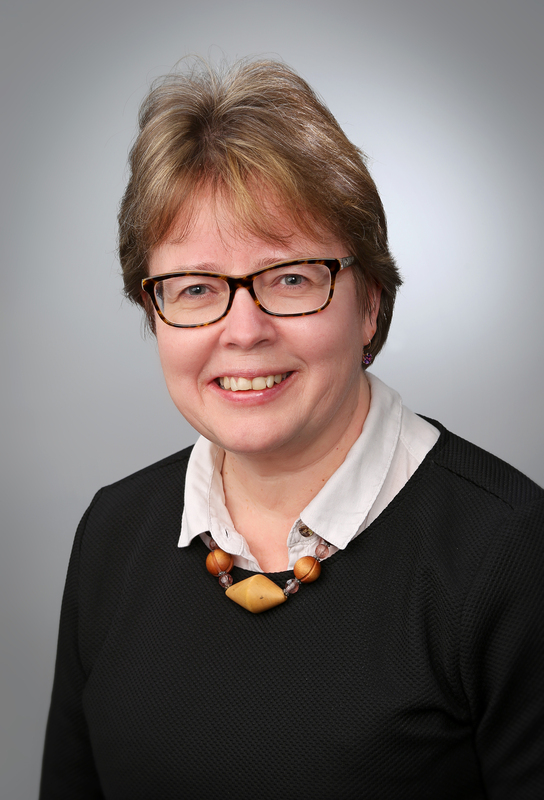
Mari Bergroth is a Senior University Lecturer at the Department of Education, Faculty of Educational Sciences, University of Helsinki. Her research focuses on multilingual education, language awareness, and early childhood education with particular emphasis on Swedish as a second language in Finland's educational context.
Her research interests include:
- Multilingual Education and Pedagogy
- Language Awareness in Teaching
- Early Childhood Education and Care (ECEC)
- Bilingualism and Language Policy Implementation
- Teacher Education for Linguistic Diversity
- Minority Language Education in Finland
Dr. Bergroth's recent publications demonstrate a consistent focus on practical implementation of language policies in educational settings, particularly examining how educators navigate linguistic diversity in early childhood education. Her work frequently addresses the challenges and opportunities of implementing Swedish language education within Finland's bilingual context, with strong emphasis on staff perspectives and practical classroom applications rather than purely theoretical frameworks. She examines how language policies translate to everyday educational practice across various contexts including Finnish-language early childhood settings, Swedish-medium schools, and bilingual municipalities.
She currently leads multiple research projects funded by Finnish foundations and government agencies, including 'DeSmå' (2023-2025), 'Slotte: MångSam' (2023-2027), and 'Toisen kotimaisen kielen nykytila' (2023-2024).
Dr. Bergroth is actively involved in the academic community as:
- Editor for Nordand journal
- Reviewer for international journals including Applied Linguistics, Journal of Language, Identity, and Education, and International Journal of Bilingualism
- Supervisor for doctoral theses
- Participant in EU-funded research projects
- Provider of expert consultation for educational policy development
Her work bridges theoretical linguistic concepts with practical educational applications, particularly focusing on how educators can effectively support linguistic diversity in early childhood settings while navigating complex language policies in Finland's bilingual context. She emphasizes identifying strengths and functional solutions rather than solely documenting deficiencies in current practices.