معرفی
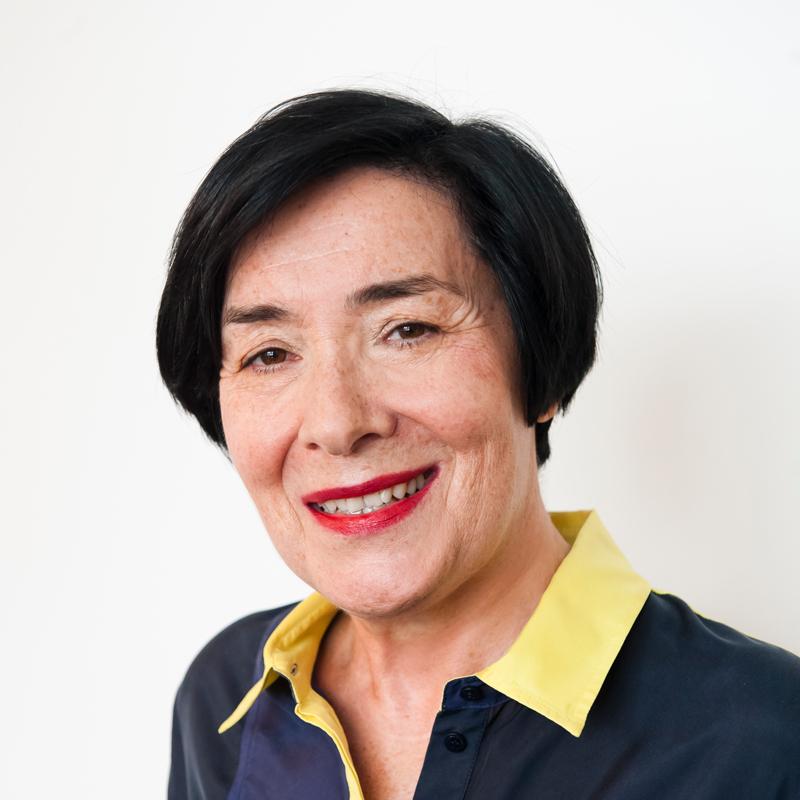
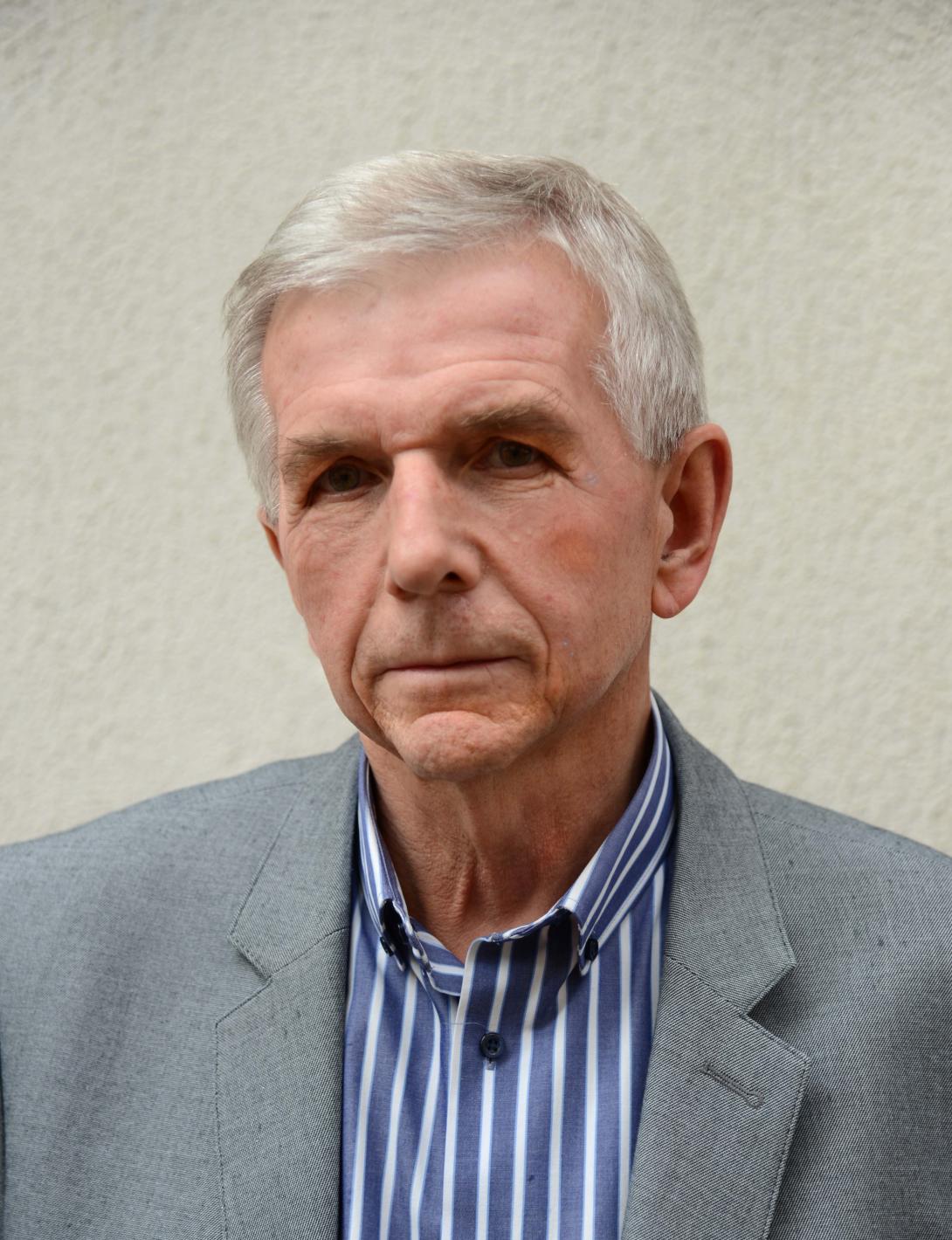
Marek Kujawa serves as Lecturer at the Faculty of Medicine of the Medical University of Warsaw and Lazarski University (since 2018), currently holding the position of Vice-Dean of the Faculty of Medicine for Preclinical Education. His academic career spans over five decades with continuous contributions to preclinical medical sciences.
His educational foundation includes:
- Graduate of the Faculty of General Medicine, Medical University of Warsaw (1972)
- Doctorate from the Institute of Biostructure, Medical University of Warsaw (1980)
Dr. Kujawa's research centers on basic medical sciences, with pioneering work in cell biology and experimental oncology. His investigations into embryonic development and cancer therapeutics have established significant understanding of hematopoietic system formation, muscle response to immobilization, and novel cancer treatment mechanisms. His methodological expertise in electron microscopy and stereology underpins his experimental approach.
Analysis of his 2012-2018 publications reveals consistent focus on developmental biology (particularly cardiovascular/lymphatic systems) and innovative cancer therapies targeting cellular stress pathways. His work demonstrates sophisticated integration of mouse embryology models with clinical applications in respiratory diseases and oncology.
His distinguished recognition includes:
- Gold Cross of Merit by the President of Poland (2012)
- Medal of the National Education Commission (2009)
- Fogarty International Center Scholarship (1987)
- Polish Anatomical Society Award (1981)
- Polish Society of Histochemists Award (1975)
- Ten Rector's Awards from Medical University of Warsaw
Dr. Kujawa has secured significant research funding including the NCBiR grant for bone regeneration implants (2012-2014), KBN and IP grants for cancer cell therapy (2007-2015), and his own embryonic stem cell project (2001-2005). His international collaborations span institutions in Italy, USA, and Poland.
As founding member of the Polish Stereological Society and active participant in multiple anatomical and histochemical societies, he maintains strong research networks. His laboratory work integrates embryogenesis studies with cancer therapeutics across Medical University of Warsaw's Department of Immunology and international partner institutions.