معرفی
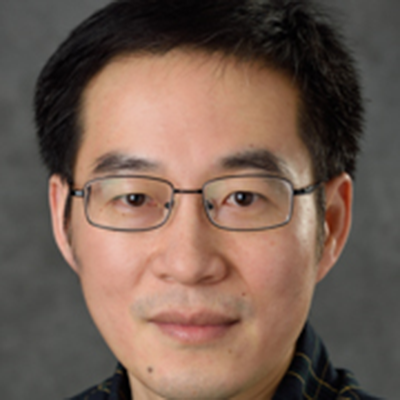
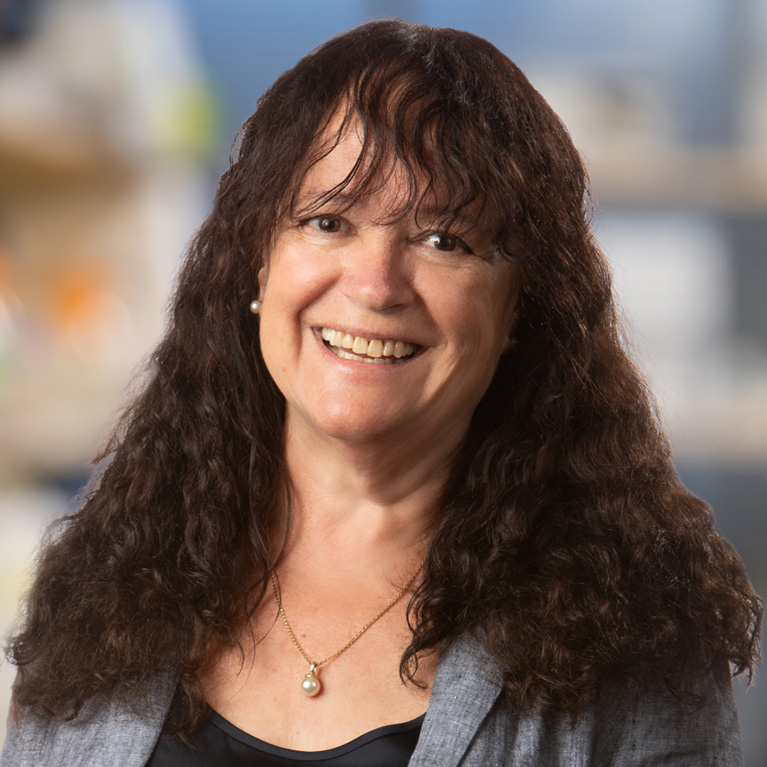
Luye Qin is an active Assistant Professor in the Division of Basic Biomedical Sciences at the University of South Dakota's Sanford School of Medicine. Her research focuses on neurodevelopmental disorders and epilepsy with particular emphasis on autism spectrum disorders. She maintains an active laboratory investigating molecular and circuit mechanisms underlying these conditions.
Educational Background:
- Ph.D. in Neurobiology, Neuroscience Research Institute, Peking University (2006)
- MD in Clinical Medicine, College of Medicine, Zhengzhou University (1999)
Dr. Qin's research primarily investigates epigenetic mechanisms in autism spectrum disorders, with focus on genes including ASH1L, Shank3, and Cul3. Her work explores how deficiencies in these high-risk autism genes affect prefrontal cortex function, neural circuitry, and behavioral outcomes in mouse models. She has made significant contributions to understanding how epigenetic modifications contribute to social deficits and seizures in autism models. Her recent work extends to investigating sex differences in autism phenotypes and potential therapeutic interventions including chemogenetic approaches and dietary modifications.
Analysis of Dr. Qin's publication record shows a consistent research trajectory focusing on molecular mechanisms of autism spectrum disorders, with increasing emphasis on epigenetic regulation, sex differences, and translational therapeutic approaches. Her work bridges basic neuroscience with potential clinical applications, particularly in developing interventions for social deficits and seizures associated with autism.
Awards and Recognitions:
- The 7th Biennial Advanced School of Neurochemistry of the International Society for Neurochemistry (2005)
- Travel Award of the 20th International Society for Neurochemistry and European Society for Neurochemistry meeting (2005)
Dr. Qin maintains active collaborations with multiple research groups, most notably with Zhen Yan's laboratory at University at Buffalo. Her research has been supported by various funding mechanisms that enable her investigation of neural circuit mechanisms and potential therapeutic interventions for neurodevelopmental disorders. She contributes significantly to training the next generation of neuroscientists through her role as faculty at the University of South Dakota.
Her laboratory utilizes advanced techniques including chemogenetics, optogenetics, electrophysiology, and molecular biology approaches to investigate prefrontal cortex function in mouse models of autism. The team focuses on understanding how epigenetic modifications affect neural circuitry and behavior, with the goal of identifying potential therapeutic targets for autism spectrum disorders and related conditions.