معرفی
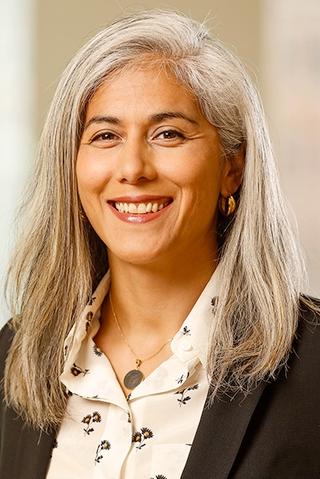
Dr. Luke Martin is an Assistant Professor of Surgery in the Department of Surgery at the University of Utah School of Medicine, specializing in colorectal cancers, inflammatory bowel disease, diverticulitis, and pelvic floor dysfunction with expertise in minimally invasive and robotic surgical techniques. He is board-certified by the American Board of Surgery and American Board of Colon & Rectal Surgery.
His academic background includes:
- Bachelor of Arts in Economics from the University of North Carolina at Chapel Hill
- Doctor of Medicine from McGovern School of Medicine at the University of Texas Health Science Center at Houston
- General Surgery Residency at the University of Utah School of Medicine with roles as Administrative Chief Resident and Research Resident
- Colon and Rectal Surgery Fellowship at the University of Minnesota Medical School
Dr. Martin's research focuses on gastrointestinal surgical outcomes, fertility implications in inflammatory bowel disease, operative risk assessment, and patient-centered care delivery. His work integrates clinical practice with population-based studies to optimize surgical interventions and patient decision-making processes.
His publication record (2012-2018) demonstrates consistent contributions across vascular surgery, critical care, and gastrointestinal oncology. Key research themes include predictive modeling for ICU readmissions, fertility outcomes in IBD patients, and validation of clinical nomograms for surgical risk assessment, reflecting a commitment to evidence-based practice improvement.
No scientific awards are documented in the provided materials.
Information regarding student mentorship and research grant funding is not specified in the source text, though his clinical research activities suggest active involvement in surgical education and investigation.
Dr. Martin maintains clinical practice at Huntsman Cancer Institute, University of Utah Hospital, and Sugarhouse Health Center, emphasizing holistic, individualized patient care that prioritizes shared decision-making and quality-of-life outcomes.