معرفی
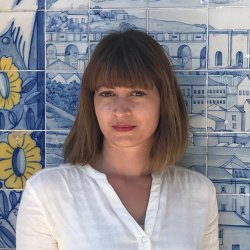
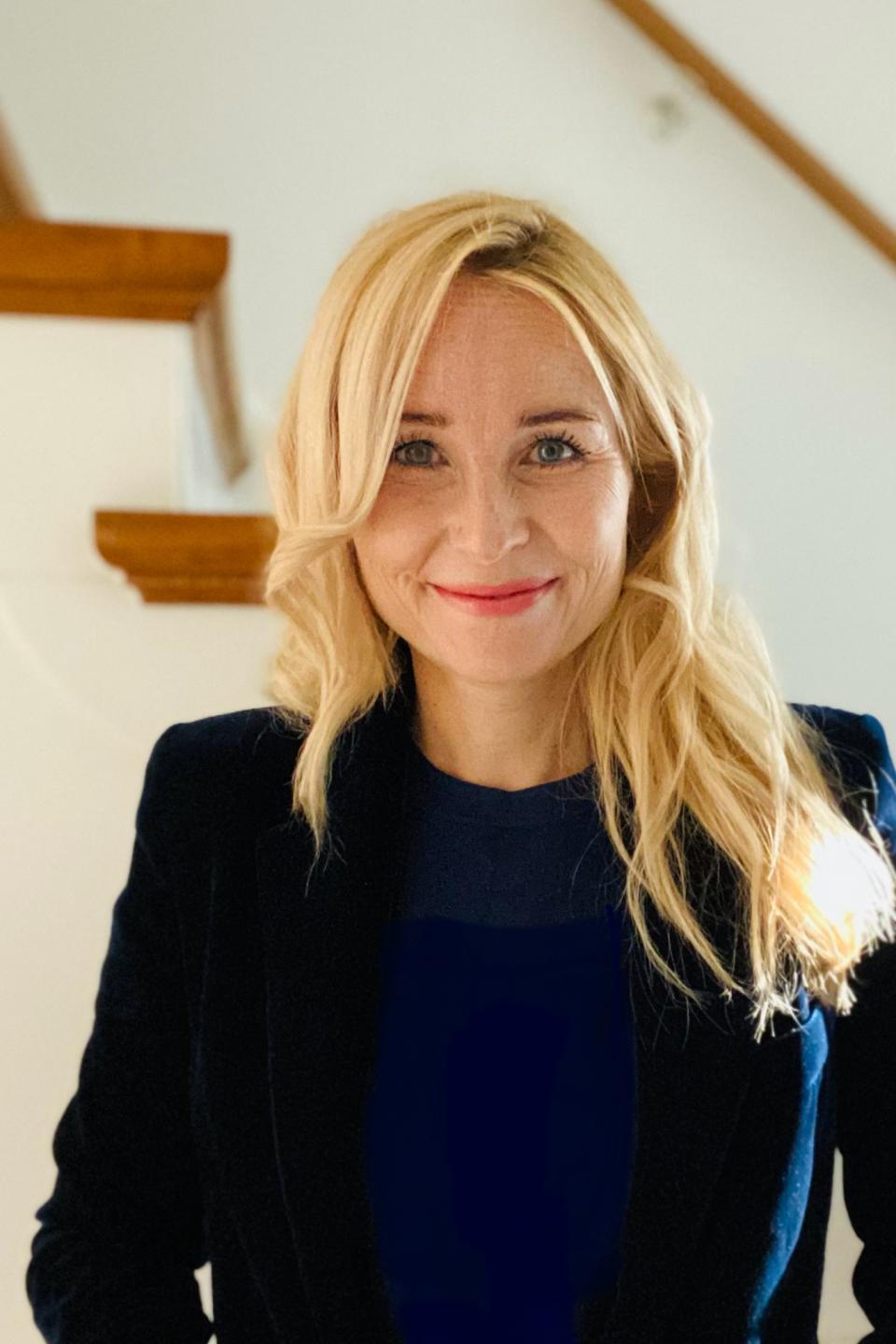
Dr. Luana Russo is Associate Professor in Political Behavior and Quantitative Methods at Maastricht University, Faculty of Arts and Social Sciences, Department of Political Sciences. She serves as Program Director of the BA in European Studies, Co-Director of CERiM, and is an active member of the ECPR Executive Committee. She is also the founder and chair of the Affective Polarization Standing Group and previously chaired the ECPR Political Methodology Standing Group.
Education:
- PhD in Political Science, Scuola Superiore Sant'Anna, Pisa (2011)
- Visiting Scholar, Columbia University, New York
- Visiting Scholar, European University Institute, Florence
Her research centers on political behavior, affective polarization, negative partisanship, and quantitative political methodology. She investigates how individuals form political identities and how polarization manifests in multiparty democracies, especially in Western Europe and the Low Countries. Her work emphasizes measurement innovation, comparative analysis, and democratic resilience.
Recent publications reveal a strong focus on measuring affective polarization, negative party identity, and the impact of party system dynamics on democratic satisfaction. Her work spans top journals such as West European Politics, Electoral Studies, and Quality & Quantity, and she has contributed to key edited volumes on polarization. She also explores gendered dimensions of academic service and citizenship.
Professional Leadership and Service:
- Member, ECPR Executive Committee
- Chair, ECPR Political Methodology Standing Group
- Founder and Chair, Affective Polarization Standing Group
- Co-Director, CERiM
- Program Director, BA European Studies
- Member, Faculty Council; University Council; FEM Board (Female Empowerment Maastricht)
She has advised and coordinated advanced research methods courses and research master programs. Her leadership in organizing research networks and editorial work (e.g., co-editing Politics of the Low Countries) underscores her role in shaping scholarly communities. She has not received explicitly named awards, but her editorial and governance roles reflect peer recognition.
She is actively involved in collaborative research teams studying polarization across Europe and leads initiatives to advance methodological rigor in political science. Her work with CERiM and ECPR reflects engagement with interdisciplinary and international scholarly networks.