معرفی
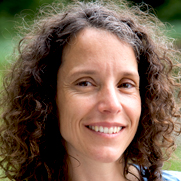
Roles and Affiliations: Lise Gauvin is a Full Professor at the Department of Social and Preventive Medicine, University of Montreal’s School of Public Health. She also serves as a Senior Researcher at the CRCHUM (Research Center of the University of Montreal Hospital), and the Lea-Roback Research Center on Social Inequalities in Health. She holds leadership roles as Deputy Scientific Director for Population Health Research at CRCHUM and Director of the Innovation Hub. Her work focuses on ecological approaches to public health, emphasizing social and environmental determinants of health behaviors like physical activity and nutrition.
Education: Ph.D. (1985) and M.Sc. (1982) in Exercise Psychology from the University of Montreal.
Research Interests: Her research examines how social, environmental, and urban factors influence health behaviors (e.g., physical activity, diet). She investigates population-level interventions to promote health equity, leveraging quantitative methods like multilevel analysis and spatial epidemiology. Her team studies neighborhood characteristics and their impact on lifestyle behaviors, aiming to inform public health policies targeting urban design and social determinants.
Key Contributions: Notable work includes evaluating public bike-sharing programs (BIXI), analyzing health disparities linked to neighborhood environments, and promoting body image charters. She has published widely on topics like urban health equity, physical activity promotion, and the role of intersectoral partnerships in health systems.
Awards: Inducted into the Canadian Academy of Health Sciences (2015).
Grants & Collaborations: Leads and co-leads multiple research projects funded by CIHR, FRQ, Quebec Ministry of Economy, and others. Key initiatives include the MUSE project on urban systems and health equity, and the OPES Observatory for Children’s Education and Health.
Labs/Teams: Active in the CRCHUM’s Population Health Research Division and the Lea-Roback Center for Social Inequalities in Health. Collaborates with multidisciplinary teams across public health, urban planning, and social sciences.