Kyle Koss
استادیار · Peptide bioengineering
The University of Texas Medical Branch at Galvestonمعرفی
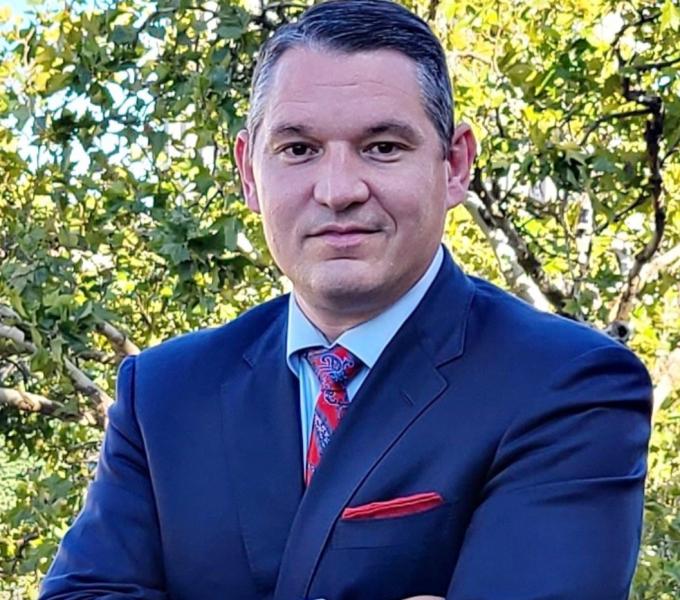
Kyle Koss, PhD is an Assistant Professor in the Department of Neurobiology at the University of Texas Medical Branch (UTMB) and holds a joint appointment at the Sealy Institute for Drug Discovery (SIDD). His research focuses on understanding and mitigating inflammatory rejection of biomaterials through peptide bioengineering, with particular emphasis on glial cell interactions in the nervous system.
- Chemical Engineering, PhD, University of Alberta (2016)
- Chemical Computer Process Control Engineering, BSc, University of Alberta (2010)
Dr. Koss' research centers on harnessing the beneficial potential of glial cells (microglia and astrocytes) to develop strategies that target inflammatory responses and promote regenerative processes. His work spans peptide bioengineering, biomaterial development, and neural tissue engineering with applications in neural implants, cancer therapies, and transplant rejection. Key research areas include developing heparin-peptide conjugates for wound healing, wireless sensors for monitoring transplant rejection, and peptide biomarkers for neuroinflammatory conditions.
Analysis of Dr. Koss' recent publications (2019-2025) reveals a strong research trajectory in peptide engineering for neuroinflammatory modulation. His work demonstrates increasing sophistication in peptide design, moving from fundamental biocompatibility studies to targeted therapeutic applications. Current research emphasizes multi-functional peptide systems that can simultaneously monitor and modulate neuroinflammatory processes, with growing translational focus on clinical applications in transplantation and neural interfaces.
Dr. Koss leads an active research team at UTMB including research scientists, visiting PhD candidates, and technicians. His lab receives funding from significant sources including the American Heart Association (AHA) for heparin-peptide conjugates research and the Canadian Institutes of Health Research (CIHR) for wireless sensor development. Current projects focus on vascular inflammation, allograft transplant rejection, and wireless biosensors for neuroinflammation monitoring.
The Koss Lab employs cutting-edge techniques including peptide discovery through phage display, high-throughput cell culture-based microglial phenotype development, wireless thermal/bioelectric biosensors, and advanced peptide bioengineering through multi-faceted helical nets. The lab's work bridges chemical engineering principles with neuroscience to create innovative solutions for biomaterial integration in the nervous system.