معرفی
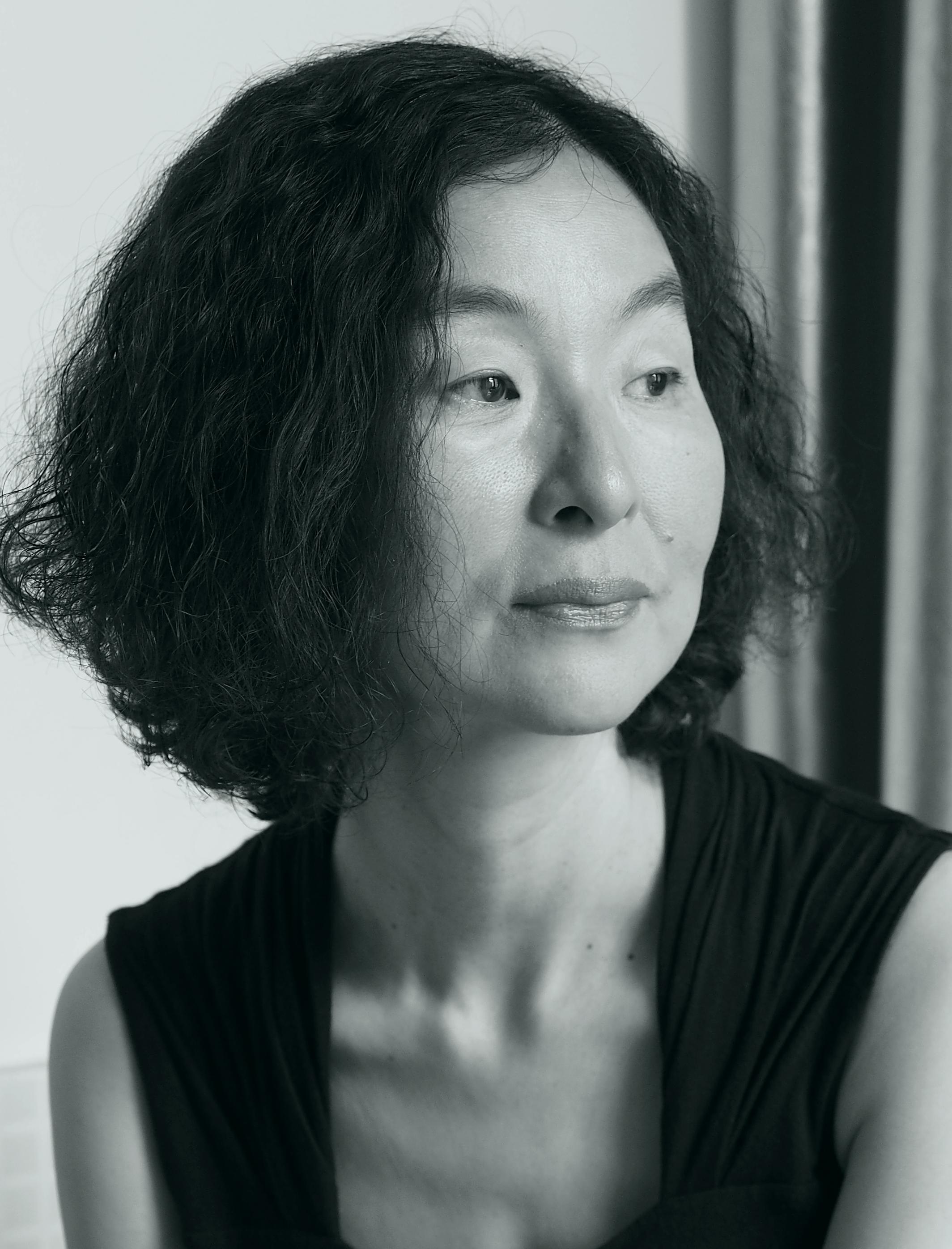
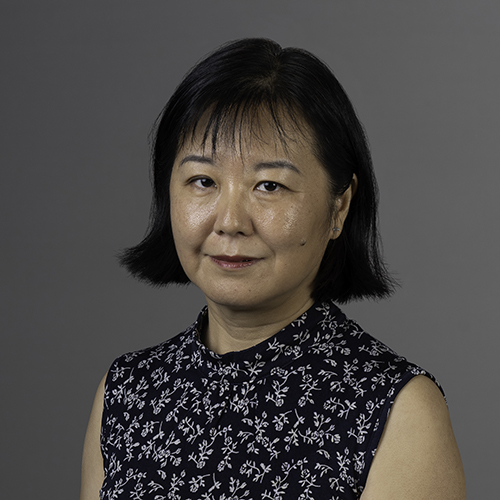
Kristin Bayer is an Associate Professor of History, Chair of the History Department, and Director of the Women’s, Gender, and Sexuality Program at Marist College’s School of Liberal Arts. Her academic leadership spans departmental administration, program direction, and interdisciplinary curriculum development in Asian history and gender studies.
Her educational foundation includes a PhD in History from New York University with a major in Chinese History and double minors in Japanese History and History of Women and Gender. Her dissertation, Substance and Symbol: China and the Global Opium Trade of the 19th Century, established her expertise in transnational commodity history.
Professor Bayer’s research integrates Chinese history, transnational networks, and gender analysis through investigations of the opium trade, revolutionary movements, and cultural representations. She examines how objects like opium and structures like the Great Wall function as contested symbols across national boundaries, revealing global connections in 19th-20th century Asia. Her methodology combines archival research with visual analysis of photography and media representations.
Recent publications (2012-2020) demonstrate consistent thematic focus on Asian historical networks, with works spanning economic history (Contagious Consumption), cultural heritage (Set in Stone), and gender politics (Add Women and Stir). These appear in specialized journals and edited volumes reflecting her interdisciplinary approach across history, Asian studies, and women’s studies.
Key recognitions include:
- Andrew W. Mellon Fellowship at Massachusetts Historical Society (2003)
- Doris Quinn Fellowship for East Asian studies (2000-2001)
- Ford Grant for Gender and Area Studies (1999)
- Marist College Travel Grants (2009-present)
Her academic service combines institutional leadership with student mentorship. As Faculty Advisor for Phi Alpha Theta Honor Society and Asian Alliance, she guides undergraduate research while serving on college-wide committees including Strategic Planning and Academic Affairs. Her ongoing travel grants facilitate international conference participation and archival research, maintaining active scholarly engagement across professional associations.
Though humanities-focused without a formal laboratory, Professor Bayer cultivates research opportunities through course-based projects and program leadership. Students engage with primary sources on Asian history and gender studies through her seminars and advising, particularly in courses examining the global drug trade and revolutionary movements.