معرفی
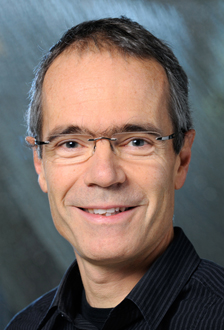
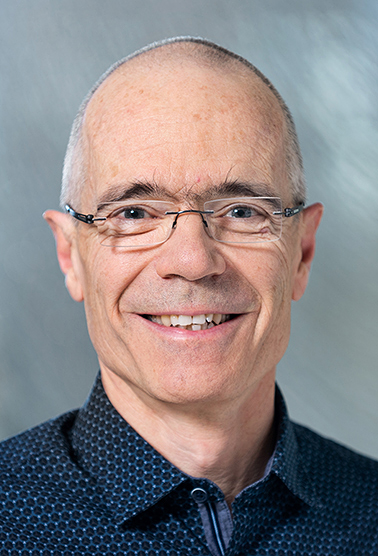
Professor Konrad Basler is a leading researcher in the Department of Molecular Life Sciences at the University of Zurich's Faculty of Mathematics and Natural Sciences. With a distinguished career spanning over three decades at the University of Zurich, he has established himself as a prominent figure in developmental biology and cancer research.
His research focuses on cellular signaling pathways, particularly the Wnt/Wingless cascade, which plays crucial roles in growth, patterning, homeostasis, and regeneration. Basler's work has significant implications for understanding how these same pathways drive disease progression when dysregulated. His laboratory utilizes diverse model systems including Drosophila, mice, and in vitro organoid cultures to investigate fundamental biological processes.
Professor Basler's publication record demonstrates consistent high-impact research, with numerous articles in prestigious journals including Nature, Nature Genetics, and Science Advances. His recent work (2021-2025) reveals sophisticated investigations into Wnt signaling mechanisms, intestinal stem cell biology, cancer progression, and developmental processes. His research shows a clear trajectory from basic developmental mechanisms toward understanding their implications in human disease.
- Diploma work with distinction (1986)
- Ph.D. Thesis with distinction (1989)
- European Drosophila Research Junior Award (1991)
- Friedrich Miescher Award (1996)
- FEBS Anniversary Prize (1996)
- National Latsis Prize (1997)
- Gold Medal of the European Molecular Biology Organization (1999)
- Louis-Jeantet Prize for Medicine (2000)
Professor Basler actively mentors students and researchers, supervising multiple PhD candidates and postdoctoral fellows. His laboratory serves as a hub for cutting-edge research in molecular signaling. He also contributes significantly to teaching at the University of Zurich, offering courses in molecular and classical genetics. His leadership extends to directing institutes (Institute of Molecular Biology 2007-2010, Institute of Molecular Life Sciences 2010-2017) and serving on the Research Council of the Swiss National Science Foundation (2005-2014).