معرفی
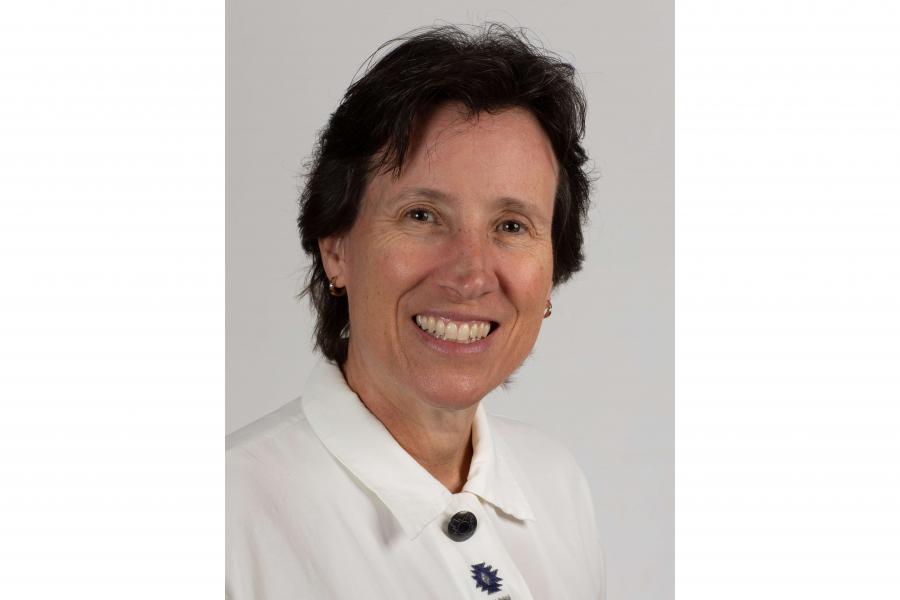
Kimberly Clevenger is an Assistant Professor in the Department of Kinesiology and Health Science at Utah State University, within the College of Agriculture and Applied Sciences. Her research focuses on advancing the measurement and understanding of physical activity in children and adolescents, particularly through the integration of accelerometry and GPS technologies.
She earned her PhD in Kinesiology (Exercise Physiology) from Michigan State University (2019), an MPH in Quantitative Methods from Harvard University (2020), and both her MS and BS in Exercise Physiology from Ohio University.
Her research interests center on ensuring valid, reliable, and sensitive measurement of physical activity, the influence of the built environment on children's free-play behavior, and the impact of recess policies on physical activity and health outcomes. She investigates how behavior varies spatially and temporally, and how such variations affect environmental exposures like noise and nature. A key goal is ensuring equitable access to free-play opportunities in schools from pre-K to 12th grade.
Her recent publications reveal a strong focus on methodological rigor in physical activity assessment, including calibration of accelerometers, comparison of open-source versus proprietary data processing, fragmentation analysis, and the development of consensus standards for activity intensity classification. Her work often leverages nationally representative datasets such as NHANES and addresses critical public health and policy issues related to youth physical activity.
- Surveillance and measurement of youth physical activity
- Recess policy and implementation
- Accelerometer data processing and validation
- GPS and spatial analysis of schoolyard activity
- Childhood obesity and cardiometabolic health
- Open science and reproducible research methods
Dr. Clevenger has mentored several graduate students, including Benjamin Verdejo, Katherine McKee, and Cassie Webster. She teaches KIN 4400 - Measurement and Evaluation in Kinesiology and contributes to the training of future kinesiology researchers. She actively maintains a research blog where she shares technical tutorials on R, accelerometry, NHANES data analysis, and open-source methods, promoting transparency and accessibility in her field.