معرفی
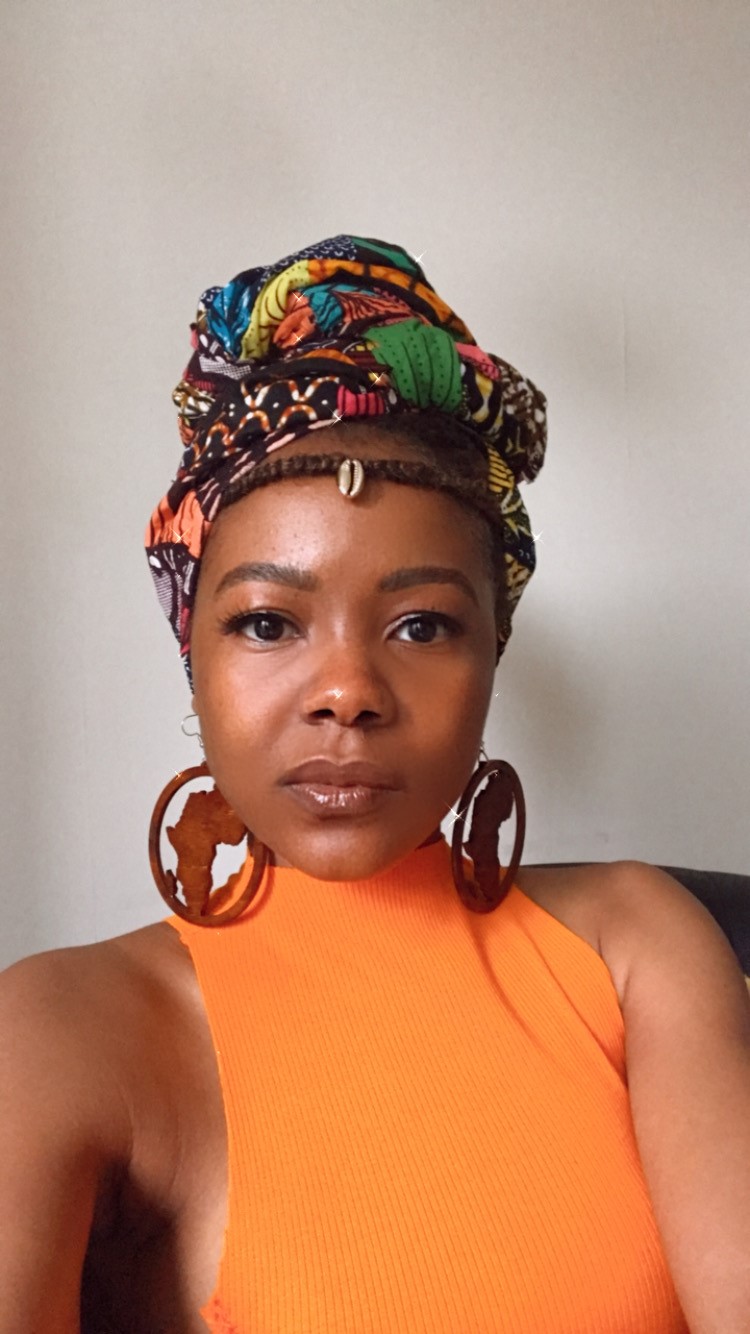
Kimberly Belmonte serves as an Assistant Professor in the Psychology Department within the College of Arts & Sciences at The University of Tulsa. Her academic profile reflects a strong commitment to critical social psychology and community-engaged research.
Belmonte earned her Ph.D. in Critical Social/Personality Psychology from the City University of New York (CUNY). Her doctoral work focused on confidence measurement within girls' empowerment organizations, establishing her research trajectory in adolescent development and feminist methodology.
- Research Focus: Specializes in girlhood studies, feminist psychology, and participatory research methods examining adolescent girls' identity formation, sexual development, and well-being within sociocultural contexts
- Methodological Approach: Employs qualitative, mixed-methods, and archival techniques with emphasis on community-engaged and participatory action research designs
- Key Themes: Explores intersections of gender, sexuality, race, and class in youth experiences of safety, confidence, and social justice
Her publication record demonstrates consistent focus on adolescent and emerging adult experiences across ecological contexts, with particular attention to marginalized youth navigating educational systems, urban spaces, and identity formation. Recent work examines policing of youth in gentrifying neighborhoods, LGBTQ+ youth experiences, and critical analyses of confidence frameworks.
Belmonte brings significant professional experience from applied research settings, having previously led The Girl Scout Research Institute at Girl Scouts of the USA. Her background includes program evaluation and research on girls' leadership development, bridging academic scholarship with practical community applications.
- Teaching Commitment: Instructs courses in developmental psychology, research methods, and gender psychology
- Professional Integration: Actively connects classroom teaching with community-based research initiatives
- Current Focus: Examines how social structures shape adolescent girls' experiences of empowerment and well-being