معرفی
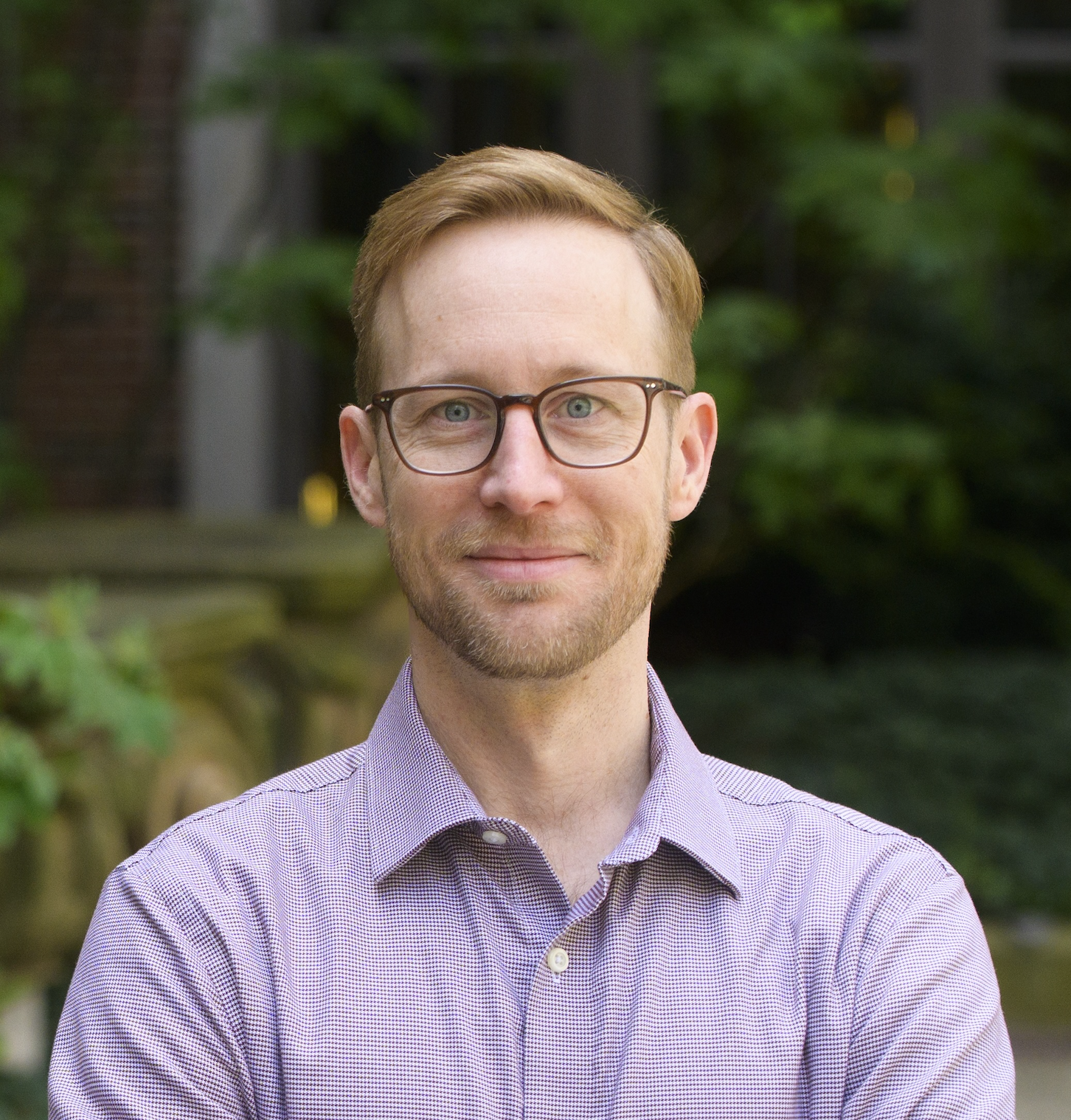
Kiffer G. Card is an Assistant Professor in the Faculty of Health Sciences at Simon Fraser University, where he leads the Healthy Ecologies and Lifestyles (HEAL) Lab. He holds multiple leadership roles, including Scientific Director of the Canadian Alliance for Social Connection and Health, President and Chair of the Mental Health and Climate Change Alliance, President of the Island Sexual Health Community Health Centre, and Director of Research for GenWell. His work bridges academic research, community engagement, and public policy.
Dr. Card’s research focuses on the social and environmental determinants of health, with emphasis on mental health, social connection, climate change, and health equity. His work explores issues such as loneliness, social prescribing, HIV/AIDS, substance use, and LGBTQ+ health. Through community-based and participatory approaches, he investigates how socio-ecological factors influence individual and population wellbeing, particularly during public health crises.
His recent publications reveal a strong trend toward interdisciplinary research integrating public health, psychology, and social policy. Themes include social prescribing, climate anxiety, digital health interventions, and health disparities among marginalized populations. He has published extensively on the impacts of the pandemic, HIV prevention, and mental health in sexual and gender minority communities.
- 2021 MSFHR Scholar Award
- 2020 CIHR-IHSPR Rising Star Award
- 2018 CTN Postdoctoral Award
- 2018 MSFHR Trainee Award
- 2018 CIHR Health Systems Impact Fellowship
Dr. Card has trained over 50 research assistants, undergraduates, graduate trainees, and postdoctoral fellows. His research is supported by approximately $25 million in grant funding. He actively engages in knowledge translation, advising policy stakeholders and contributing to public discourse through media interviews and community partnerships. His work has resulted in over 200 academic and lay publications and more than 100 conference presentations.
He leads the HEAL Lab, which focuses on advancing understanding of how to build happier and healthier communities in the face of climate change, pandemics, and economic challenges. The lab emphasizes co-production, community collaboration, and innovative methodologies such as digital data visualization and wastewater-based epidemiology.
حوزههای پژوهشی