معرفی
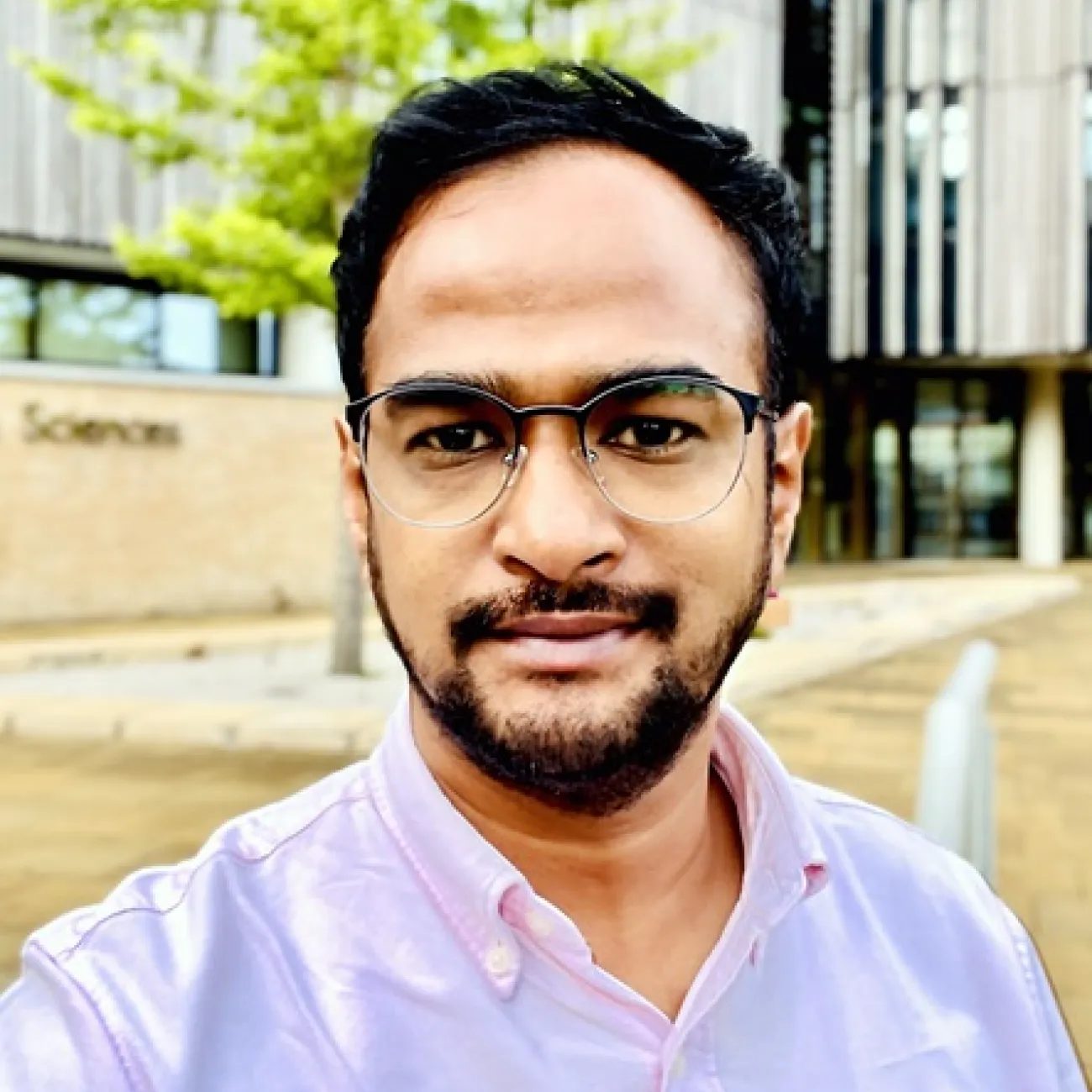
Dr. Kif Liakath-Ali is a Lecturer in Advanced Cell Biology at the University of Southampton's School of Biological Sciences and serves as a Principal Investigator at the Splice Lab. He was appointed in May 2024 and leads a research team focused on RNA splicing mechanisms and their implications in neurodegenerative diseases. His lab is located in Building 85 on the Highfield Campus. Prior to his current position, he earned a PhD from the University of Cambridge, where he studied skin biology and ribosome-rescue machinery in epidermal stem cells under Professor Fiona Watt. He then conducted postdoctoral research at Stanford University (2018–2024) under Nobel Laureate Thomas Südhof, investigating molecular neuroscience and synaptic splicing regulation.
Dr. Liakath-Ali holds a Stanford Postdoctoral Teaching Certification and an Associateship of King's College London (AKC). He is dedicated to research rigor, reproducibility, and open science, reflected in his RaRe Researcher Award (2024) and Stanford Bio-X Mentor Award (2021). He is also an elected member of the UK Young Academy (2025). His teaching responsibilities include courses on genetic information flow (BIOL2010), neuroscience principles (BIOL2051/52), scientific thinking (BIOL1030), and advanced research projects (BIOL6013, BIOL6099).
His research integrates molecular biology, biochemistry, genetics, microscopy, and computational tools to uncover RNA splicing roles in spliceopathies. Recent work includes studies on teneurin/latrophilin signaling in hippocampal development, GRK2's role in skin homeostasis, and cerebellin-neurexin interactions in synaptic plasticity. He collaborates with interdisciplinary groups such as the Precision Biosciences Innovation Hub and the UK Young Academy to advance therapeutic discovery and scientific practices.
- PhD Supervision: Accepting applications for PhD students.
- Awards: EMBO Fellowship (2018), Hillblom Fellowship (2020), RaRe Award (2024), Bio-X Mentor Award (2021), UK Young Academy Membership (2025).
Grants & Advising: His research is supported by fellowships, and he advocates for reproducible science. The Splice Lab, under his leadership, actively explores RNA splicing's role in neurodegeneration and therapeutic applications. Visit www.splicelab.co.uk for more details.