معرفی
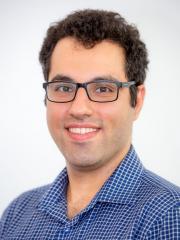
Kerry Hwang is a Research Fellow at the School of Nursing and Midwifery, Monash University. His work focuses on improving healthcare access for older adults, particularly from culturally and linguistically diverse (CALD) backgrounds. He completed his PhD in 2024, titled "Measuring healthcare access and utilisation amongst older migrant Australians: an analysis harnessing nationally representative datasets," following a Master of Public Health (2016) and a Bachelor of Science (2013) in Biochemistry and Molecular Biology from the University of Melbourne.
- Education
- Doctor of Philosophy (Demography and Ageing), University of Melbourne, 2020–2024
- Master of Public Health (Epidemiology and Biostatistics), University of Melbourne, 2015–2016
- Bachelor of Science (Honours) (Biochemistry and Molecular Biology), University of Melbourne, 2010–2013
His research spans gerontology, palliative care, telehealth, and dementia assessment methodologies, with a strong emphasis on equity for CALD populations. Recent outputs include studies on the IMPART and MINDSET trials, which address interpreter-mediated care quality and telehealth implementation for aged populations. Collaborations highlight interdisciplinary work with experts in public health, geriatrics, and linguistics.
Key research themes include:
- Palliative Care and Telehealth: Evaluating telehealth's role in improving end-of-life care for residential aged populations (IMPART trial).
- Interpreter-Mediated Cognitive Assessments: Co-designing training for interpreters in dementia evaluations (MINDSET study).
- Health Literacy: Assessing literacy levels among older adults to enhance healthcare engagement.
Scientific contributions include:
- Peer-reviewed articles on preventable hospitalisations in dementia patients
- Implementation challenges in telehealth for palliative care
- Methodological innovations in interpreter training and communication analysis
He has contributed to 16 research outputs since 2018, with recent focus on video interpreting, translation apps, and advance care planning in aged care settings. His work aligns with UN Sustainable Development Goals 3 (Health and Well-being), 4 (Quality Education), and 10 (Reduced Inequalities).
Projects highlight his role in the ENGAGE initiative and as an Associate Investigator in the MINDSET study (2021–2024), which collaborates with experts like Brijnath, Low, and Antoniades. Current affiliations and continuous involvement in research indicate no part-time status or retirement.