معرفی
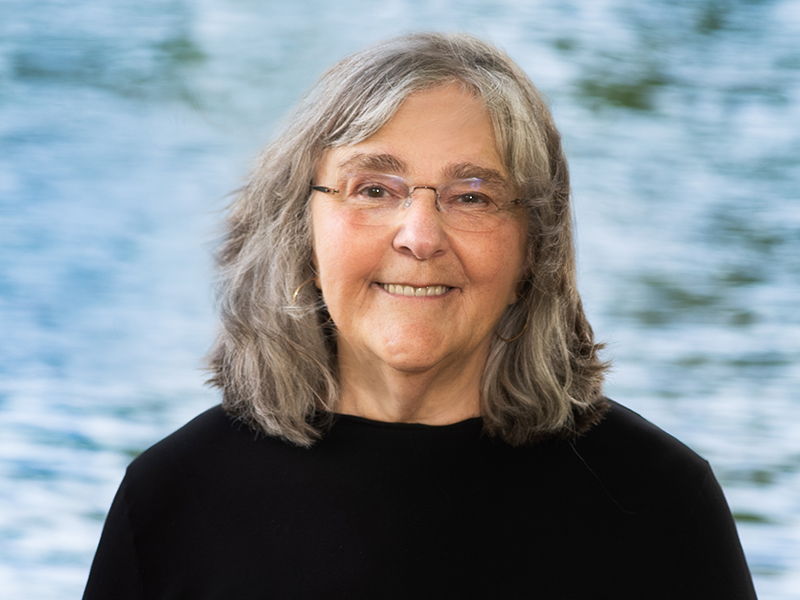
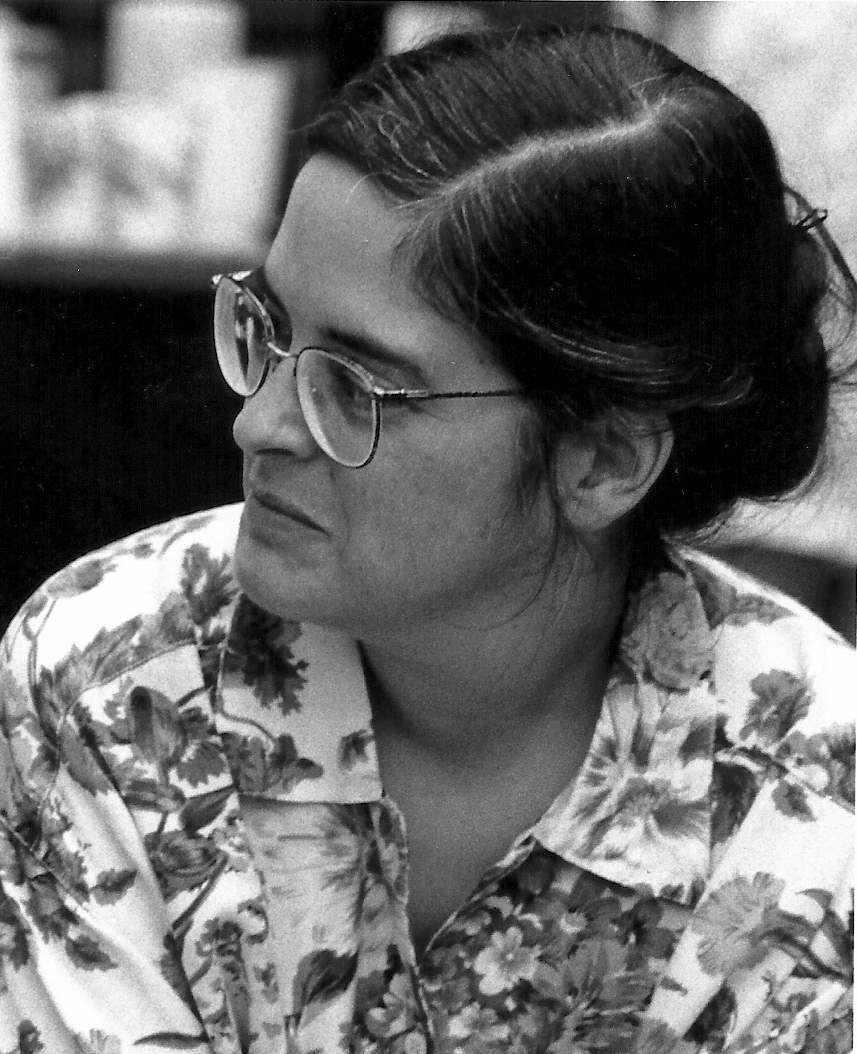
Kerry Abel is a Professor in the Department of History at Carleton University, Faculty of Arts and Social Sciences. She has previously taught at the University of Manitoba and Queen’s University, and served as a public historian for the Manitoba government before entering academia. Her work bridges social, cultural, political, economic, and environmental history, with a strong focus on northern Canada and Indigenous peoples.
- B.A., Queen’s University
- M.A., University of Manitoba
- Ph.D., Queen’s University
Her research explores the intersections of personal experience with larger historical forces, particularly in the context of Canadian and Indigenous history. She is known for integrating interdisciplinary perspectives to examine community identity, cultural memory, and the impact of colonialism. Her current project—a biography of Elizabeth Simcoe—extends her inquiry into transatlantic connections and women's roles in the age of revolution.
Her publications reveal a consistent engagement with northern Canadian history, Indigenous worldviews, and the construction of regional and national identities. Over time, her work has evolved from community-based studies to broader thematic explorations of colonial encounters and cultural representation.
Scientific Awards:
- Clio Award (2007)
- J.J. Talman Award (2007)
- Floyd S. Chalmers Award (2007)
- Choice Outstanding Academic Title (2002)
- Research Achievement Award, Carleton University (1996)
- Faculty of Arts Teaching Award (1993)
- James H. Gray Medal (1981)
She has held an adjunct position at Trent University (2000–2003) and has edited significant scholarly volumes, contributing to national discourse on Indigenous rights and northern policy. Though no specific grants or students are listed, her editorial leadership and award-winning scholarship indicate a strong record of academic mentorship and research supervision.
Kerry Abel’s work is associated with Carleton’s historical studies community, contributing to programs in Canadian history, Indigenous studies, and public history, though no formal lab or research center is mentioned.