معرفی
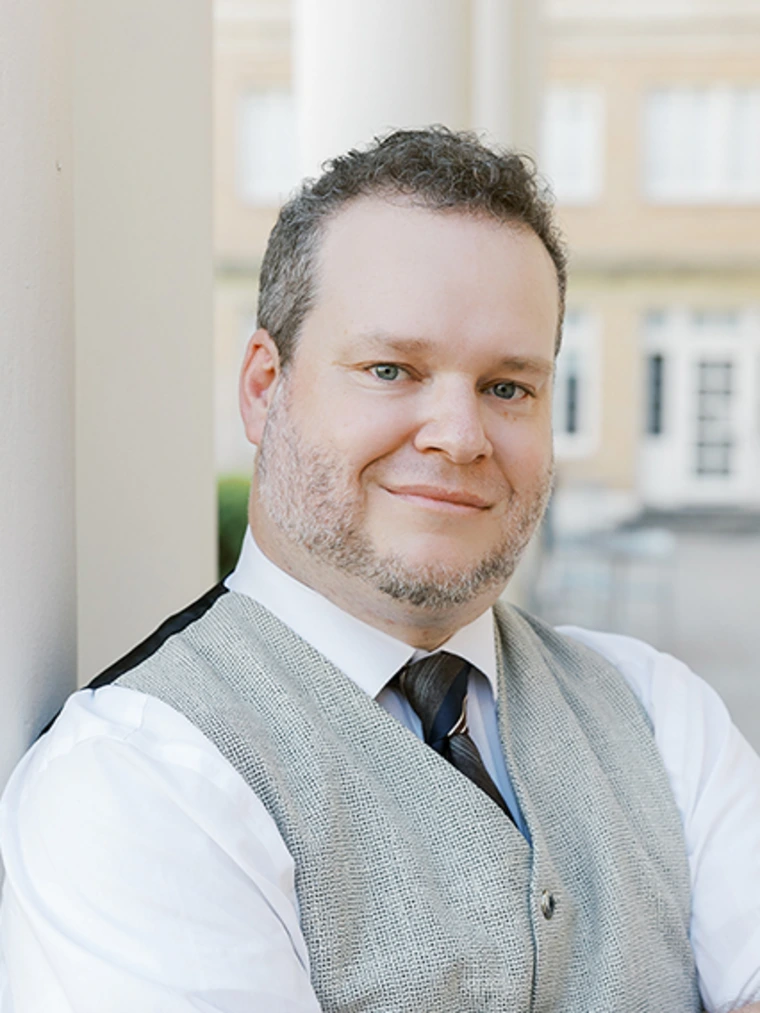
Kenneth White, Ph.D., is an Associate Professor in Personal and Family Financial Planning at the Norton School of Human Ecology, University of Arizona. His academic career began in 2016 after earning a Ph.D. in Consumer Sciences with a focus on Family Resource Management from The Ohio State University. Dr. White specializes in research addressing historically marginalized families and individuals, particularly in areas such as financial education, socialization, and well-being. He teaches courses in the CFP® Board Registered Program at the Norton School and collaborates with colleagues nationwide. His work emphasizes racial/ethnic differences in financial behaviors, LGBTQ+ financial inclusion, and the intersection of mental health with financial resilience.
Education: Dr. White holds a Ph.D. in Consumer Sciences from The Ohio State University (2016).
Research Interests: Dr. White’s research focuses on financial well-being among marginalized groups, including Black, Hispanic, transgender, and gender-diverse populations. He examines financial socialization processes, tax planning strategies, and the impact of institutional trust on financial decisions. His studies often explore client experience dynamics, estate planning practices, and the role of signaling in diversity initiatives within financial advisory firms.
Advising & Collaborations: While no specific grants or awards are listed, Dr. White actively involves current and former students in research projects. He values interdisciplinary collaboration and has mentored students through qualitative studies on financial anxiety, career confidence, and housing pathways for vulnerable populations. His teaching and research are embedded in the Norton School’s commitment to human ecology, addressing holistic resource management challenges.
Labs & Teams: Though no dedicated lab is named, his work aligns with the Norton School’s programs in financial planning and human ecology. Collaborations include nationwide academic networks and advocacy for inclusive financial practices through models like the Inclusive Financial Well-being Empowerment Model.