معرفی
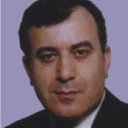
Kenneth Paul Roberts is a Professor and Chair of the Department of Chemistry & Biochemistry at the University of Tulsa, within the College of Health & Natural Sciences. He also holds the distinguished title of Chapman Professor of Chemistry and Biochemistry, reflecting his significant contributions to the field.
- Institution: University of Tulsa
- College: College of Health & Natural Sciences
- Department: Chemistry & Biochemistry
- Position: Professor and Department Chair
Roberts earned his Ph.D. in Analytical Chemistry from Iowa State University, with a dissertation focusing on advanced fluorescence spectroscopy coupled with capillary electrophoresis and high-performance liquid chromatography. His undergraduate degree is from Southeastern Oklahoma State University.
His research is centered on analytical chemistry with applications in environmental and biochemical systems. He specializes in using advanced analytical instrumentation to investigate issues such as freshwater pollution and environmental toxicology. His expertise includes molecular and atomic spectroscopy, chemical toxicology, and environmental chemistry, making significant contributions to understanding pollutant impacts and detection methods.
Although no recent publications are listed in the provided text, his research trajectory emphasizes the application of sophisticated analytical techniques to real-world environmental challenges, suggesting a strong interdisciplinary focus bridging chemistry, environmental science, and public health.
He has been recognized for his research excellence with the Zelimir Schmidt Researcher Award.
- Zelimir Schmidt Researcher Award
As department chair and a senior faculty member, Roberts plays a key role in academic leadership, faculty development, and program direction. While specific details about student advising, funded grants, or collaborative teams are not mentioned in the source material, his leadership position implies active involvement in mentoring students, managing departmental research initiatives, and shaping curriculum in analytical and environmental chemistry.
There is no indication of lab affiliations or research centers in the provided content, but his instrumentation-focused work suggests association with advanced analytical laboratories at the University of Tulsa.