معرفی
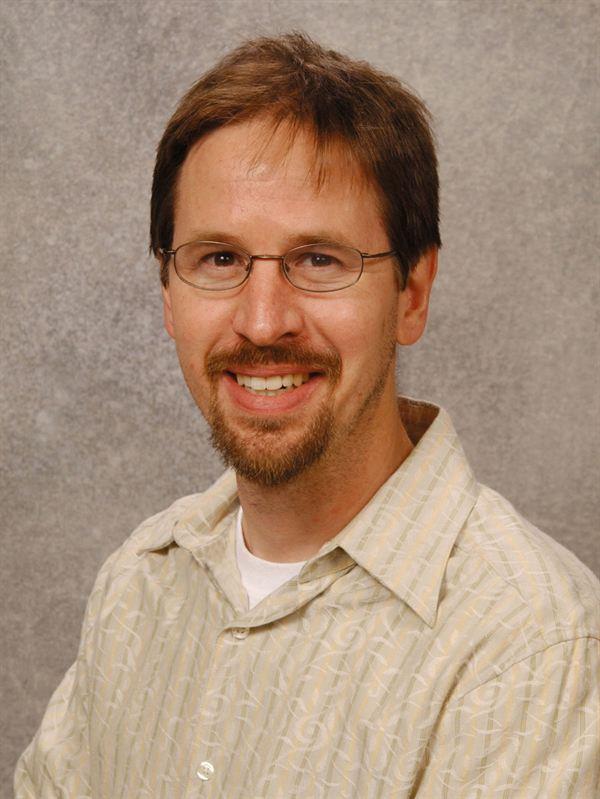
Kendall Hunter, PhD serves as Associate Professor in the Department of Bioengineering at the University of Colorado School of Medicine, Anschutz Medical Campus. Affiliated with both the University of Colorado Denver and Children's Hospital Colorado, Hunter maintains clinical practice at the Aurora campus (13123 East 16th Ave). The academic appointment resides within the College of Engineering, Design and Computing's Bioengineering department, which operates jointly across the Anschutz Medical Campus and Denver campus.
Hunter's research focuses at the intersection of cardiovascular physiology, neural engineering, and medical imaging technologies. Primary investigation areas include right ventricular-pulmonary arterial coupling, Fontan circulation hemodynamics, and advanced cardiac imaging techniques like 4D flow MRI. The work frequently addresses clinical challenges in pulmonary hypertension, congenital heart disease, and metabolic disorders affecting cardiovascular function. Recent publications demonstrate strong emphasis on developing computational models and novel imaging algorithms for cardiovascular assessment.
Analysis of the 15 most recent publications reveals consistent focus on ventricular-vascular interactions, particularly in challenging clinical populations including pediatric patients with pulmonary hypertension, Fontan circulation, and metabolic disorders. The research methodology heavily utilizes advanced imaging modalities (4D flow MRI, echocardiography), hemodynamic monitoring, and computational analysis techniques including principal component analysis for complex clinical data.
- Principal investigator for neural engineering research within the Bioengineering department
- Active collaborator with Children's Hospital Colorado clinical teams
- Involved in graduate education through the Neural Engineering certificate program
Hunter's laboratory work connects closely with the Center for Bioengineering at Bioscience 2 (12705 East Montview Boulevard), leveraging the unique co-location of engineering and medical facilities at the Anschutz campus. Current research directions include developing ultrasound algorithms for critical care applications and investigating perivascular adipose tissue interactions in metabolic disease models.