معرفی
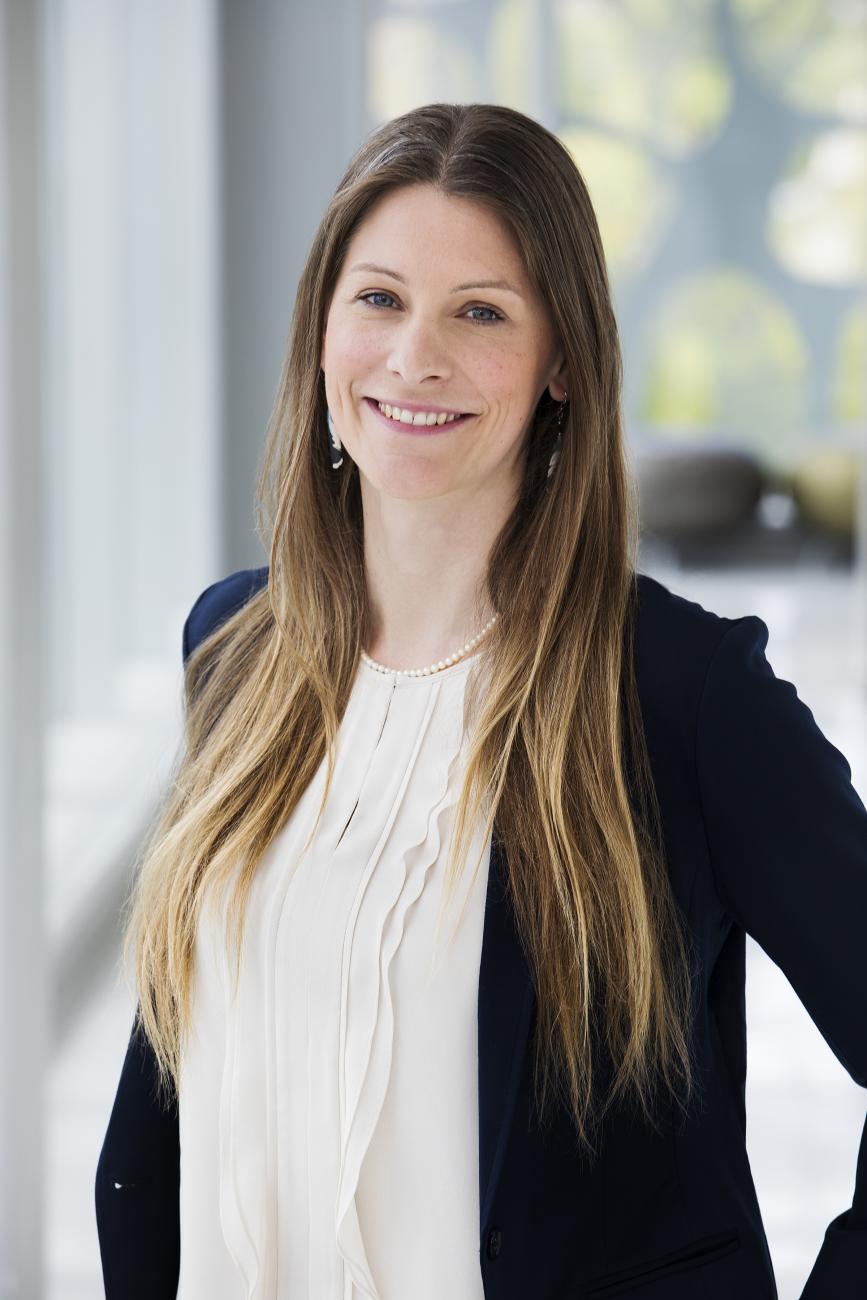
Kelly Heber Dunning is the Timberline Associate Professor of Sustainable Outdoor Recreation and Tourism at the Haub School of Environment and Natural Resources, University of Wyoming. She directs the Wildlife & Wilderness Recreation Lab, previously based at Auburn University, focusing on collaborative governance of wildlife, climate adaptation strategies, hunter and angler engagement, and policy reforms to diversify conservation participation. Her work integrates ecological and social science methods to address complex environmental challenges.
Dr. Dunning holds a PhD from MIT, an MSc from Oxford University, and a BA from the University of Florida. Her research has been funded by prestigious organizations including the National Science Foundation (NSF), National Oceanic and Atmospheric Administration (NOAA), and the National Academy of Sciences (NASEM). In 2025, her lab received an NSF DISES award for trout conservation in Colorado and Wyoming.
Research Themes
- Climate Adaptation: Developing methodologies for communities to respond to extreme weather and ecosystem shifts
- Marine Governance: Examining coral reef management, fisheries policy, and marine heatwave impacts
- Outdoor Recreation Policy: Analyzing hunter/angler access, the North American Model of Wildlife Conservation, and public land stewardship
Her recent publications emphasize participatory approaches to conservation, including studies on mangrove ecosystem valuation, bipartisan coral reef legislation, and stakeholder engagement in disaster recovery. Dunning is an affiliate scientist at the NSF National Center for Atmospheric Research (NCAR), recognized as an Early Career Innovator, and a NASEM Early Career Fellow.
Grants & Impact
- NSF DISES Award (2025): Trout conservation in mountain ecosystems
- NOAA-funded coastal resilience projects
- NASEM climate adaptation initiatives
Dr. Dunning collaborates across disciplines, training students in mixed-methods research and policy analysis. Her lab’s work bridges academic research with actionable solutions for conservation practitioners and policymakers.