معرفی
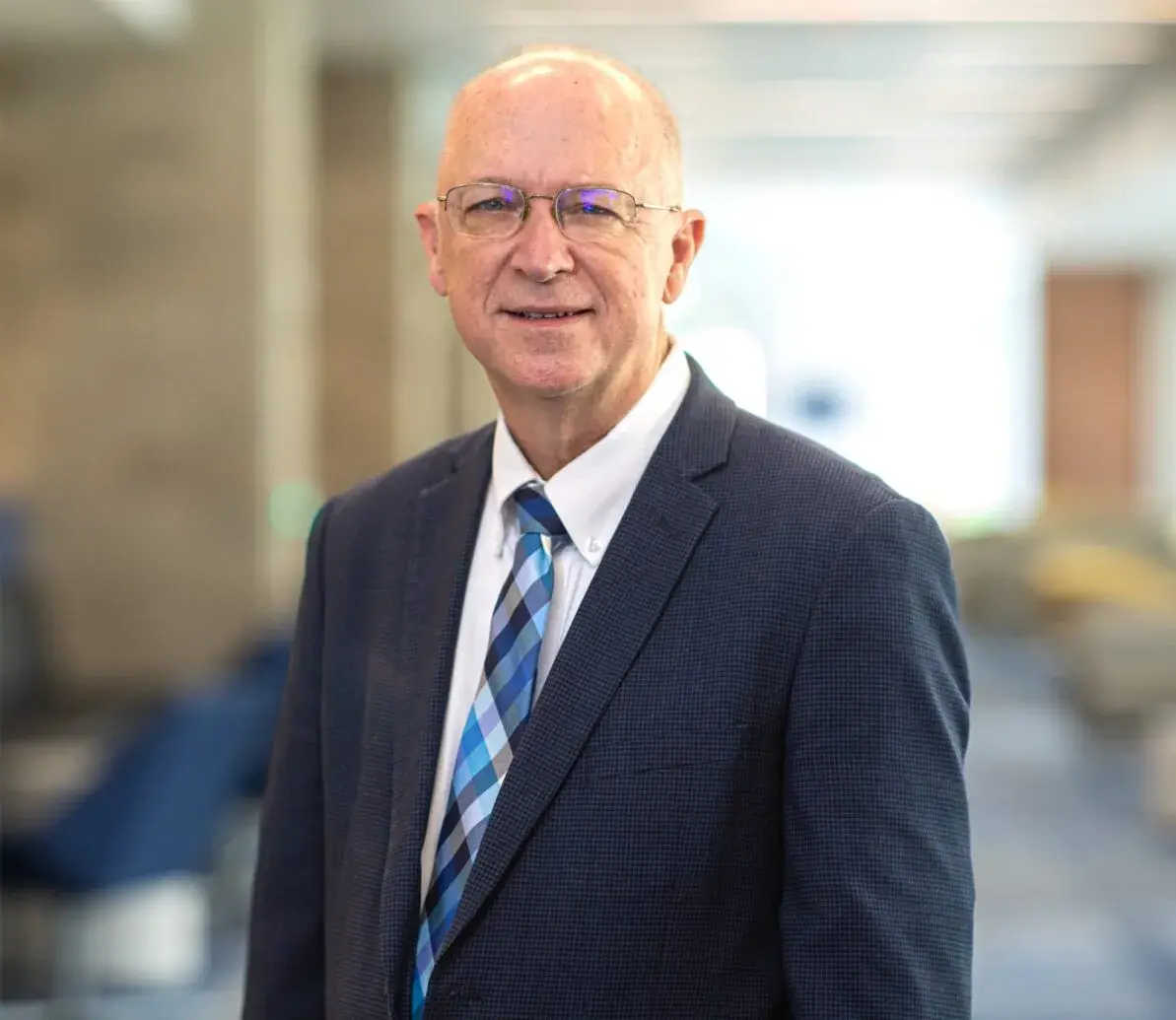
Kelly G. Pennell, PhD, PE is a Professor at the University of Kentucky within the Stanley and Karen Pigman College of Engineering and holds the Earl Parker Robinson Chair. She has served as Director of the University of Kentucky Superfund Research Center since 2020, following leadership roles in the Kentucky Water Resources Research Institute (2016-2019) and the Tracy Farmer Institute for Sustainability and the Environment (2018-2019). Pennell also directs the University of Kentucky’s undergraduate Environmental Engineering Certificate Program, which she helped establish in 2018.
- PhD, Civil Engineering (with environmental emphasis), Purdue University (2005)
- MS, Environmental Engineering, Rose-Hulman Institute of Technology (2001)
- BS, Civil Engineering, Lawrence Technological University (1997)
Kelly G. Pennell’s research focuses on environmental contaminant fate and transport, particularly in urban and engineered systems. She integrates computational modeling, field measurements, and laboratory studies to address exposure risks from volatile organic compounds (VOCs), per- and polyfluoroalkyl substances (PFAS), and disinfection byproducts. Her work emphasizes stakeholder engagement, translating research into policy, and developing three-dimensional models for vapor intrusion pathways, including sewer gas entry and building exchange rates.
Recent publications highlight Pennell’s leadership in PFAS mapping, VOC transport in sewer systems, and data science applications for environmental risk assessment. Her studies on disinfection processes and residential air exchange rates have informed regulatory practices at hazardous waste sites and public health initiatives.
- NSF CAREER Award (2015-2020) for vapor intrusion research
Kelly G. Pennell collaborates with the USEPA, NIEHS SRP, and local governments on field studies. Her lab specializes in multi-disciplinary research, combining computational fluid dynamics (CFD), epistemic empathy frameworks, and regulatory data harmonization to address complex environmental health challenges.