معرفی
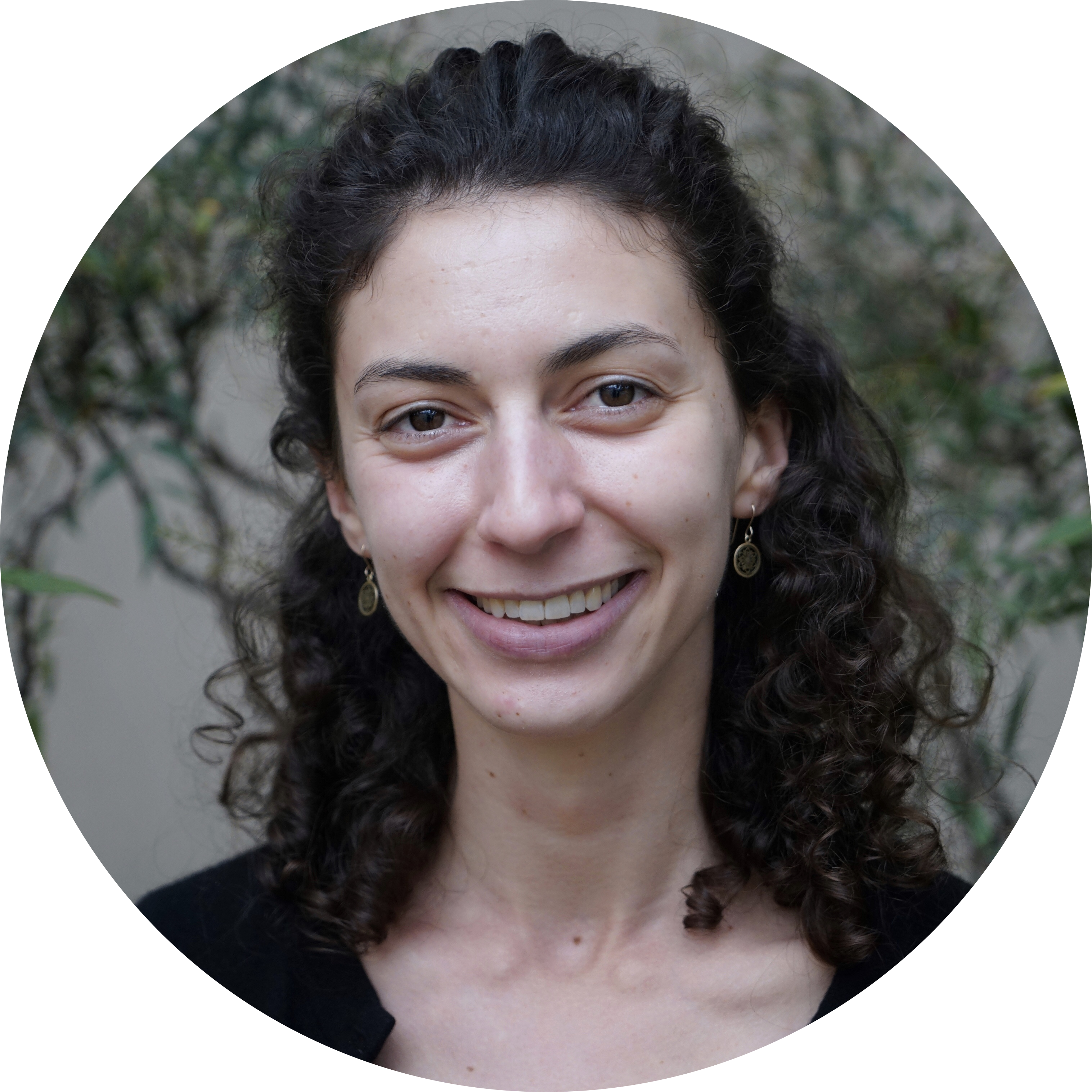
Katherine Siegel is an Assistant Professor in the Department of Geography at the University of Colorado-Boulder, with affiliations at the Cooperative Institute for Research In Environmental Sciences and the Environmental Data Science Innovation & Inclusion Lab. She leads the Future of Working Landscapes (FoWL) lab, focusing on sustainable and equitable management of ecosystems amid rapid environmental change.
Dr. Siegel received her PhD in Environmental Science, Policy, & Management from UC Berkeley, where she worked with Dr. Van Butsic in the LUC Lab. She previously served as an assistant professor at the University of Toronto and was a NOAA Climate & Global Change Postdoctoral Fellow at CU Boulder. Her educational background includes an MS in Biodiversity, Conservation, & Management from Oxford University and a BS in Environmental Science from Brown University.
Her research spans multiple ecosystems with four main themes:
- Wildfires and land management: Understanding how forest ownership and livestock grazing affect wildfire activity in western US
- Interdisciplinary conservation science: Studying deforestation dynamics in Amazon protected areas through mixed-methods approaches
- Global environmental change: Examining ecological transformations and operationalizing the Resist-Accept-Direct framework
- Marine social-ecological systems: Assessing coral bleaching vulnerability and developing tools for data-limited fisheries
Dr. Siegel's publications reveal strong interdisciplinary collaboration across environmental science, data science, and social sciences. Her work frequently appears in high-impact journals including Nature, Trends in Ecology & Evolution, and PNAS, demonstrating methodological innovation in causal inference, spatial analysis, and mixed-methods research.
She has received recognition including third place in Conservation Biology's Rising Star Award (2023). Dr. Siegel teaches GIS: Spatial Analytics and actively recruits graduate students through CU Boulder's Geography Department, providing detailed guidance for navigating the graduate admissions process.
Committed to inclusive mentoring, she encourages external funding applications and offers resources to help students develop strong proposals. Her lab collaborates with government agencies including the National Park Service, US Forest Service, and US Geological Survey to ensure research directly informs climate adaptation strategies and conservation efforts.