معرفی
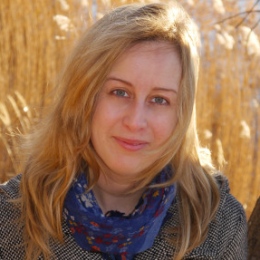
Katherine Duggan is an Assistant Professor in the Psychology Department at North Dakota State University, where she directs the PATHS Lab investigating personality-sleep-health interrelationships across the lifespan. Her research focuses on cardiovascular disease outcomes, developmental pathways from childhood adversity, and pandemic-era psychological resilience, employing longitudinal and experimental methodologies with diverse populations.
Dr. Duggan's educational background includes:
- Ph.D. in Psychology, University of California, Riverside (2016)
- M.A. in Psychology, University of California, Riverside (2012)
- B.A. in Psychology, University of California, Riverside (2010)
Her research examines how conscientiousness interacts with sleep to influence cardiovascular risk, revealing paradoxical costs for vulnerable populations. She investigates lifespan developmental pathways linking parenting practices and childhood socioeconomic status to adult sleep and health outcomes, while exploring pandemic-related goal regulation mechanisms. Current work emphasizes causal modeling for promoting resilience in at-risk groups through integrated personality-sleep-health frameworks.
Recent publications (2018-2023) demonstrate consistent focus on personality-sleep mediation models, with growing emphasis on pandemic stress adaptation and developmental trajectories. Key trends include conscientiousness paradoxes in cardiovascular contexts, subjective-objective sleep discrepancies in health prediction, and bidirectional mental health-sleep relationships.
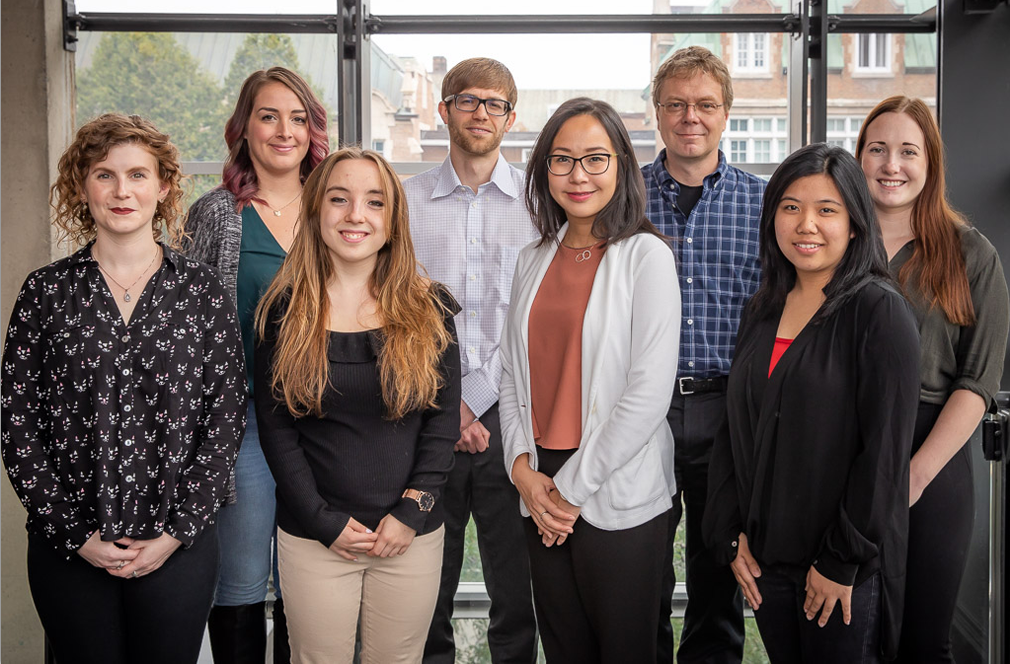
Dr. Duggan mentors undergraduate and graduate students through the PATHS Lab's collaborative research framework, providing co-authorship opportunities and professional development. She co-leads the NDSU National COVID Study tracking psychological well-being in 600+ participants across five waves, examining goal regulation during unprecedented stress.
The PATHS Lab operates as a collaborative hub connecting NDSU researchers with international partners at University of Pittsburgh, University of California, Washington & Lee University, and University of Padova. Current projects integrate polysomnography, behavioral assessments, and longitudinal cohort analyses to develop causal models of personality-health relationships.