معرفی
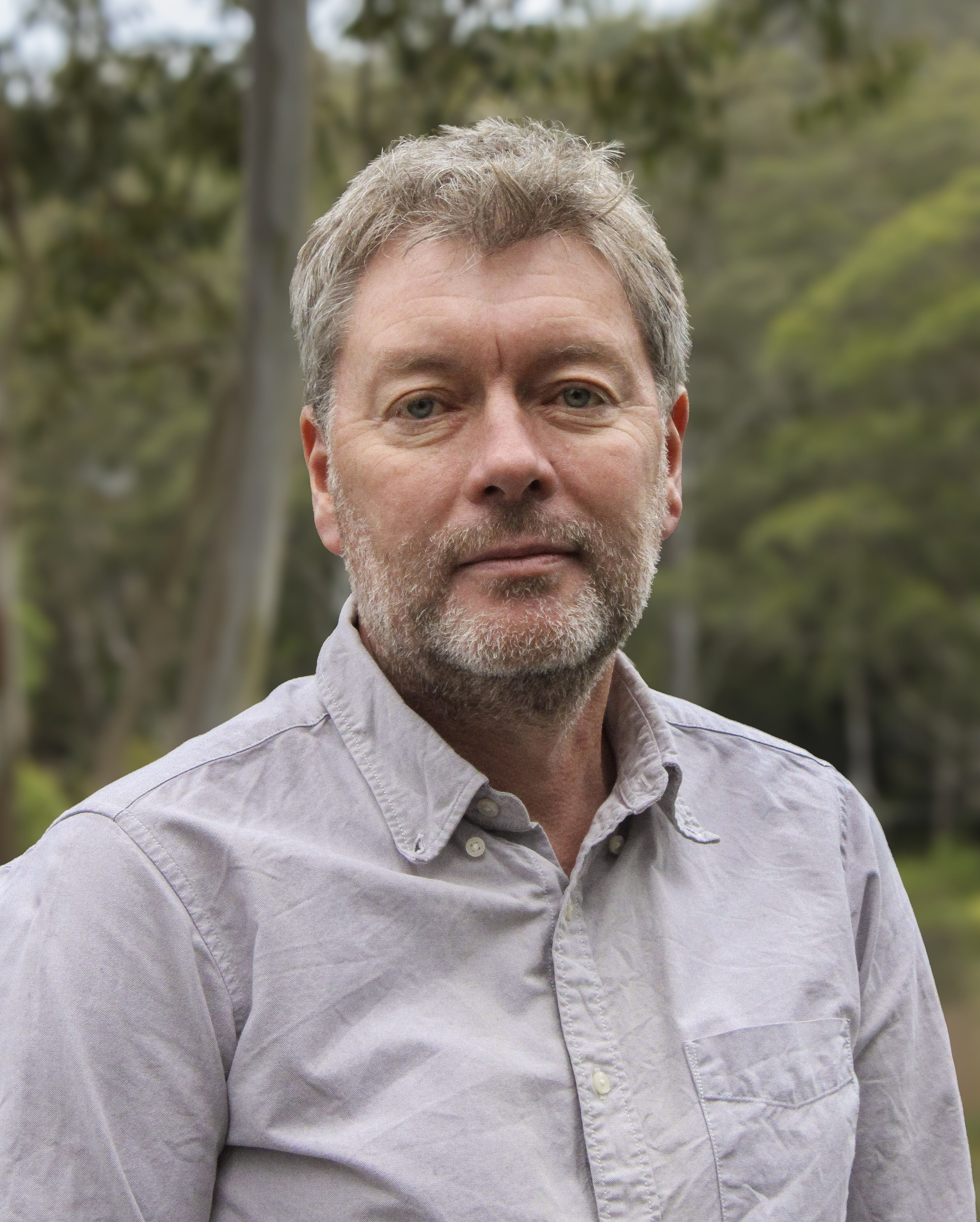
Kashif Mahmud is an Assistant Professor at the Kimbell School of Geosciences, Midwestern State University, and an Adjunct Senior Lecturer at the School of Biological, Earth and Environmental Sciences, University of New South Wales. His research integrates remote sensing, hydrogeology, and carbon cycle dynamics, focusing on karst environments, groundwater recharge, and climate change impacts.
- Develops innovative methodologies using terrestrial LiDAR and drip loggers for subsurface hydrology studies
- Specializes in data assimilation for improving terrestrial biosphere model predictions
- Collaborates on international projects like the ARC-funded 'Caves and their stalagmites: linking climate to groundwater recharge'
His lab engages in advanced geospatial projects, including the 'Texas as Art' initiative and NSF-funded GeoTech Center activities. Research areas span from cave hydrology to wildfire smoke impact analysis, with a strong emphasis on computational modeling and environmental sustainability.
Recent publications highlight his expertise in:
- Stochastic modeling of karst aquifers with training image algorithms
- LiDAR-based biomass estimation for urban forests
- Climate change feedbacks in terrestrial carbon cycling
- Wildfire PM2.5 pollution dynamics using satellite data
The lab's work has received recognition through student awards (AIPG Shoemaker Award, GSA Karst Division Grant) and collaborative grants like the $3,038,909 ARC project. He supervises graduate students in projects ranging from cave exploration with emerging technologies to spatiotemporal deforestation analysis, maintaining active fieldwork at sites like Natural Bridge Caverns, Texas.
حوزههای پژوهشی